How to Transplant Lesser Yellow Lady's Slipper?
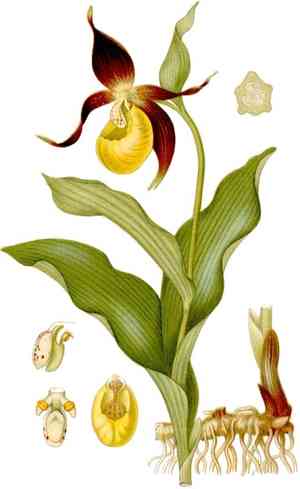
For the Yellow Lady's Slipper, the ideal time for transplanting is in the mild conditions of late spring through early summer, which guarantees the best development. Choose a location that replicates its native forest environment—filtered light and damp earth. Minimizing disruption to the root system is crucial.
What Preparations are Needed Before Transplanting Lesser Yellow Lady's Slipper?
What is the Ideal Time for Transplanting Lesser Yellow Lady's Slipper?
Moving lesser Yellow Lady's Slipper during the pleasant period of late spring through early summer ensures root establishment in mild soil. This timing utilizes natural growth cycles, boosting vigor and flowering potential.
How Much Space Should You Leave Between Lesser Yellow Lady's Slipper Plants?
When preparing to rehome lesser Yellow Lady's Slipper, remember to provide ample room for growth! Position them approximately 12-24 inches (30-60 cm) apart. This spacing allows them to develop robustly without overcrowding.
What is the Best Soil Mix for Lesser Yellow Lady's Slipper Transplanting?
For lesser Yellow Lady's Slipper to flourish, prepare their new soil with care and attention! A well-draining, moist soil, enriched with some organic matter as a foundational fertilizer, will create an optimal environment for a healthy plant. Think of it as preparing a comfortable bed for a good night's rest!
Where Should You Relocate Your Lesser Yellow Lady's Slipper?
Similar to humans, lesser Yellow Lady's Slipper enjoys some sun but also appreciates a degree of shade. Select a location that receives partial sunlightâa spot with dappled shade would be like a pleasant day at the park for your lesser Yellow Lady's Slipper.
What Equipments Should You Prepare Before Transplantation Lesser Yellow Lady's Slipper?
Gardening Gloves
To safeguard your hands while handling soil and the plant.
Spade or Shovel
For excavating around and beneath the lesser Yellow Lady's Slipper's root mass.
Hand Trowel
For more precise tasks or smaller lesser Yellow Lady's Slipper specimens.
Watering Can or Hose
To hydrate the lesser Yellow Lady's Slipper before and after relocation.
Pruning Shears
To remove any dead or damaged portions of the lesser Yellow Lady's Slipper prior to replanting.
Wheelbarrow or Plant Pot
To transport the lesser Yellow Lady's Slipper from its original spot to the new planting site.
Measuring Tape
To accurately space out the planting locations.
How Do You Remove Lesser Yellow Lady's Slipper from the Soil?
How Do You Remove Lesser Yellow Lady's Slipper from the Soil?
From Ground: Hydrate the lesser Yellow Lady's Slipper plant to moisten the earth. Dig a wide perimeter around the plant using a spade or shovel, taking care to protect the root system. Gently leverage beneath the root ball and lift the plant from the ground.From Pot: Water the lesser Yellow Lady's Slipper in its container. Rotate the pot and carefully tap the sides and bottom to loosen the soil. Tilt the pot sideways and gently pull the lesser Yellow Lady's Slipper by the base while supporting the root ball.From Seedling Tray: Dampen the soil in the seedling tray. Use a hand trowel or your fingers to carefully extract the lesser Yellow Lady's Slipper from its cell, ensuring the roots and soil remain intact.
Step-by-Step Guide for Transplanting Lesser Yellow Lady's Slipper
Preparation
Prepare the new location by loosening the soil to a minimum depth of 12 inches and removing all weeds. Ensure the hole is twice the width of the lesser Yellow Lady's Slipper's root ball.
Transplant Positioning
Center the lesser Yellow Lady's Slipper in the hole at the identical depth it was previously growing. Gently spread out the roots if they are clustered.
Filling In
Backfill the hole with soil, gently firming it down around the lesser Yellow Lady's Slipper's root ball to eliminate air pockets.
Watering
Water the lesser Yellow Lady's Slipper thoroughly after transplanting to settle the soil and hydrate the roots.
Support
If the lesser Yellow Lady's Slipper is tall or top-heavy, carefully insert a stake into the soil near the plant to provide support. Loosely tie the lesser Yellow Lady's Slipper to the stake with soft plant ties.
How Do You Care For Lesser Yellow Lady's Slipper After Transplanting?
Monitoring
Regularly check the soil moisture around the lesser Yellow Lady's Slipper, ensuring it remains damp but not saturated to encourage root development.
Mulching
Apply a layer of organic mulch around the lesser Yellow Lady's Slipper to help retain soil moisture and stabilize temperature.
Protection
Shield the lesser Yellow Lady's Slipper from strong winds and harsh environmental elements with a windbreak or temporary shade if necessary.
Observation
Keep a close watch on the lesser Yellow Lady's Slipper for indications of stress, such as wilting or discoloration, and take appropriate action.
Troubleshooting Common Issues with Lesser Yellow Lady's Slipper Transplantation.
When's the ideal time to transplant lesser Yellow Lady's Slipper?
The best time is during the mild days of late spring to early summer for proper acclimatization.
What should be the spacing between lesser Yellow Lady's Slipper transplants?
Allow 12-24 inches (30-60 cm) between plants to ensure each has sufficient room to flourish.
How do I prepare the soil for lesser Yellow Lady's Slipper transplantation?
Improve the soil with well-decomposed organic matter and ensure it drains well to foster healthy roots.
What's the best depth for transplanting lesser Yellow Lady's Slipper?
Place the lesser Yellow Lady's Slipper at the same depth it was growing before; avoid planting too deep to prevent rot.
How often should I water lesser Yellow Lady's Slipper after transplantation?
Initially water generously, then maintain consistent moisture, especially during its first season after relocation.
Should I fertilize lesser Yellow Lady's Slipper after transplanting?
A light application of a balanced, slow-release fertilizer can aid establishment without overwhelming lesser Yellow Lady's Slipper.
What are the signs of transplant shock in lesser Yellow Lady's Slipper?
Wilting, yellowing leaves, and stunted growth may indicate transplant shock. Keep the soil consistently moist.
Can lesser Yellow Lady's Slipper be transplanted on a cloudy day?
Yes, overcast conditions reduce stress on lesser Yellow Lady's Slipper, making it an excellent time for transplanting.
How do I handle lesser Yellow Lady's Slipper's roots when transplanting?
Carefully spread the roots to encourage outward growth, avoiding unnecessary bending or breakage.
What to do if lesser Yellow Lady's Slipper doesn't flower post-transplant?
Be patient; lesser Yellow Lady's Slipper might skip blooming as it prioritizes root and foliage development in its new location.



