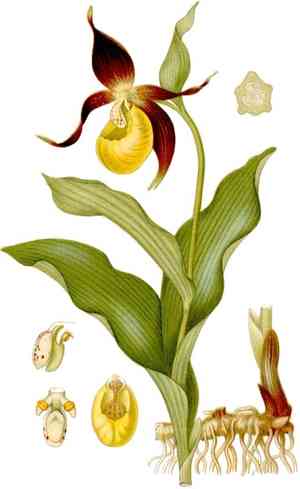
Lesser Yellow Lady's Slipper (Cypripedium parviflorum)
Also known as: Yellow Lady's Slipper, Large Yellow lady's-slipper, Northern Yellow Lady's Slipper
The **Pink Lady's Slipper (Cypripedium acaule)** is an orchid species native to North America, often referred to as the moccasin flower. Unlike some other species within the Cypripedium genus, the Pink Lady's Slipper is generally recognized as a single species without distinct varieties. It is commonly found in various regions across North America, particularly in forested areas.
In This Article
Attributes of Lesser Yellow Lady's Slipper
Lifespan
Perennial
Plant Type
Herb
Plant Height
50 cm
Spread
50 cm
Leaf Color
Green
Flower Size
2.5 cm to 8 cm
Flower Color
Yellow Red Green Purple Brown Burgundy Gold
Images of Lesser Yellow Lady's Slipper
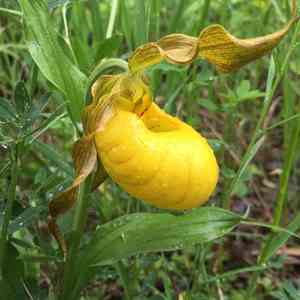
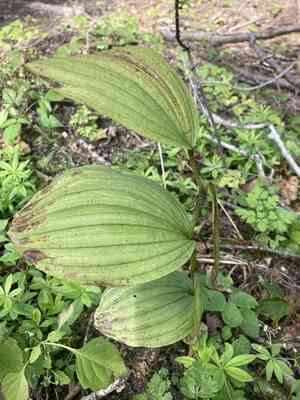
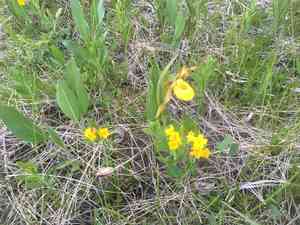
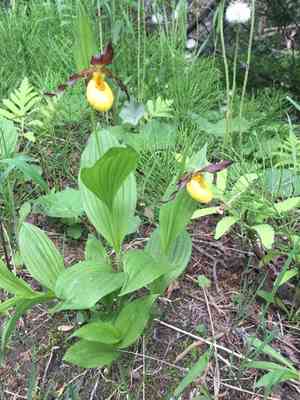
Quickly Identify Lesser Yellow Lady's Slipper
1
Slipper-like yellow lower lip with red speckles distinguish the blooms.
2
Burgundy upper sepals spiral above the vibrant lower lip in the flowers.
3
Distinctive seedpods split open to reveal dust-like seeds adapted for wind dispersal.
4
Oval leaves clasping the stem, featuring dark venation and fine hairs.
5
Robust, erect stems with slight curvature, covered in fine hairs and green to reddish tint.
Scientific Classification of Lesser Yellow Lady's Slipper
Phylum
Vascular plants
Class
Monocotyledons
Order
Asparagales
Family
Orchid
Genus
Slipper orchids
Species
Lesser Yellow Lady's Slipper
Planting and Growing of Lesser Yellow Lady's Slipper
Care Difficulty
Hard
Watering Schedule
Every 3 days
Sunlight Requirements
Partial sun
Sunshine Duration
4-8 hours
Ideal Temperature
60-75℉
Soil Type
Potting Mix, Peat Mix
Soil pH
6-7.5
Fertilizer Type
Balanced
Pruning Season
Spring, Summer
Pruning Area
Branches, Leaves
Pruning Frequency
2 times a year
Repotting Season
Spring
Pot Type
Ceramic, Plastic
 How to Water Lesser Yellow Lady's Slipper?
For Cypripedium parviflorum, ensure that the soil is moist but not soggy. When watering, aim to apply about 300 ml each time. Water until the topsoil is consistently damp without pooling.
What are the symptoms of an underwatered Lesser Yellow Lady's Slipper?
›
What should I do if my Lesser Yellow Lady's Slipper is not getting enough water?
›
What are the symptoms of an overwatered Lesser Yellow Lady's Slipper?
›
How to save an overwatered Lesser Yellow Lady's Slipper?
›
 What Are the Sunlight Requirements for Lesser Yellow Lady's Slipper?
Cypripedium parviflorum thrives in partial sun, enjoying filtered light akin to woodland settings. This balance supports photosynthesis and protects the plant from potential leaf scorch.
More About Sunlight Requirements Techniques→
Achieving Ideal Light Conditions
›
Implementing Light Strategies
›
Benefits of Optimal Lighting
›
 What Is the Ideal Temperature Range for Lesser Yellow Lady's Slipper?
For Cypripedium parviflorum, the ideal temperature range is typically between 60°F and 75°F. This range supports optimal growth conditions, aligning with the plant's natural habitat, which often consists of temperate forest floors. By maintaining these temperatures, you ensure the best conditions for photosynthesis and nutrient uptake.
 What Soil is Best for Lesser Yellow Lady's Slipper?
Cypripedium parviflorum thrives in well-drained soil, which helps prevent root rot by allowing excess water to escape. This condition ensures the roots receive necessary oxygen, leading to healthier, robust growth. A soil rich in organic matter supports this plant by providing essential nutrients and retaining moisture. It mimics the orchid's natural forest floor habitat, enhancing growth and bloom development. Moderate moisture levels in soil are crucial for the health of Cypripedium parviflorum, helping to sustain its natural metabolic functions without the risk of drying out or becoming waterlogged.
 How to Fertilize Lesser Yellow Lady's Slipper?
For Cypripedium parviflorum, the fertilizer should be diluted to one-quarter strength to prevent root burn. Overfertilizing can be more detrimental than underfertilizing for this delicate plant. Always ensure to use a balanced, water-soluble fertilizer and apply sparingly.
 How to Prune Lesser Yellow Lady's Slipper?
Begin by removing spent blooms and any visibly dead foliage. This not only tidies the plant but also directs energy towards developing healthier parts of the plant. Cut back any flower stems to their base after the plant has finished blooming. This can help the plant to conserve energy and encourage robust growth in the next season. Only dead, damaged, or diseased leaves should be removed. Healthy leaves should remain as they perform photosynthesis and help the plant accumulate energy for new blooms.
More About Pruning Techniques→
 How to Propagate Lesser Yellow Lady's Slipper plant?
1
Begin by collecting ripe seeds in late summer. Sow these seeds on a sterile potting mix surface. Cover very lightly with a fine layer of sand.
2
Divide the plant's rhizome section in early spring when the plant is dormant. Each section should have at least one viable growing shoot.
3
Transplant the seedlings or divided rhizomes into a new spot in spring. It's crucial to keep the roots moist during the process to reduce transplant shock.
 How to Repot Lesser Yellow Lady's Slipper plant?
1
Cypripedium parviflorum should be repotted when its roots begin to outgrow the current pot, or when you notice soil degradation or poor drainage. Another signal is when the plant shows reduced vigor or flowering. These signs often indicate that fresh soil and more space would benefit the plant during the active growing seasons.
2
Select a pot that is slightly larger than the current one, ensuring at least an inch of new space on each side. A clay or ceramic pot with drainage holes is ideal to prevent root rot, and it provides stability for the plant's tall growth. The weight of these pots helps to keep the sometimes top-heavy Cypripedium parviflorum firmly grounded.
3
Opt for a well-draining, organic-rich potting mix that retains moisture yet does not become waterlogged. A mixture with components like peat, perlite, and pine bark will provide the aeration and slight acidity that this orchid species prefers, promoting healthy root growth and vibrant blooms.
Learn More About Lesser Yellow Lady's Slipper Diseases
Anthracnose
Bacterial Leaf Spot
Bacterial Soft Rot
Bacterial Wilt
Black Spot
Chemical Injury
Crown Gall
Cyst Nematode
Damping-off
Downy Mildew
Drought Stress
Fusarium Wilt
Gray Mold
Leaf Spot
Mosaic
Nutrient Deficiency
Nutrient Toxicity
Powdery Mildew
Root Rot
Root-knot Nematode
Rusts
Sooty Mold
Spider Mites
Temperature Stress
Thrips Damage
White Mold



