How to Transplant Meyen's flatsedge?
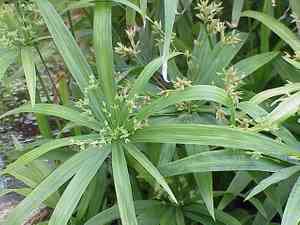
The optimal period for relocating meyen's flatsedge is from mid-spring to late spring, benefiting from moderate temperatures. Select a site that receives full sun to partial shade and has soil that drains effectively. Guarantee consistent hydration to encourage strong root development. Enjoy your transplanting!
Necessary Preparations Before Relocating Meyen's Flatsedge?
Optimal Period for Relocating Meyen's Flatsedge?
Meyen's flatsedge, a perennial, is best moved during mid to late spring. This timeframe provides ideal soil warmth and moisture, promoting robust root establishment. Relocating meyen's flatsedge then minimizes stress and encourages vigorous development, leading to a healthier, more resilient specimen.
Required Spacing Between Meyen's Flatsedge Plants?
When relocating meyen's flatsedge, ensure each plant is spaced approximately 12-18 inches (30-45 cm) apart. This provides ample room for growth and expansion without resource competition.
Ideal Soil Blend for Meyen's Flatsedge Relocation?
Prepare a well-draining soil mixture for meyen's flatsedge with a good balance of organic material. Incorporate a phosphorus-rich base fertilizer to encourage strong root development prior to relocation.
Preferred New Location for Your Meyen's Flatsedge?
Select a sunny spot for meyen's flatsedge where it will receive full sun to partial shade. This helps maintain the plant's health and vitality.
Equipment Needed Before Relocating Meyen's Flatsedge?
Gardening Gloves
To safeguard your hands while handling soil and the plant.
Small Spade or Shovel
For excavating around the plant and its new planting site.
Watering Can or Hose
To ensure the soil is adequately moistened before and after relocation.
Trowel
To assist in loosening soil and lifting the plant, especially if it's small.
Garden Fork
Useful for breaking up compacted soil and aerating the ground.
Wheelbarrow or Bucket
For moving the plant, if necessary.
How to Extract Meyen's Flatsedge from the Soil?
How to Extract Meyen's Flatsedge from the Soil?
From Ground: First, hydrate the meyen's flatsedge plant to moisten the soil. Then, dig a wide trench around the plant using a shovel or spade, ensuring the plant's root ball remains intact. Carefully work the spade beneath the root ball to lift the plant from its original spot.From Pot: Gently tap the pot's sides to loosen the soil. Hold the plant at its base and carefully tip the pot sideways, coaxing the plant out with gentle pressure. If resistant, use a trowel to ease the edges.From Seedling Tray: Ensure seedlings are sufficiently watered before removal. Use a small trowel or spoon to gently lift the seedlings from the tray, taking care not to harm the delicate roots.
Step-by-Step Guide for Relocating Meyen's Flatsedge
Prepare the Planting Cavity
Dig a hole at the new site that is twice as wide and the same depth as the meyen's flatsedge plant's root ball. This will provide ample room for root expansion.
Gently Loosen Roots
Carefully untangle any tightly coiled roots from the root ball. This encourages roots to grow outwards into the fresh soil.
Position the Plant
Place the meyen's flatsedge plant in the center of the hole, ensuring the top of the root ball is level with the surrounding ground. Backfill with soil gently, pressing down to eliminate air pockets.
Water Thoroughly
Once the meyen's flatsedge plant is in place and the hole is filled with soil, water the area thoroughly to help the soil settle and support the plant's roots.
Apply Mulch
Spread a layer of mulch around the base of the meyen's flatsedge plant. This will help retain moisture and regulate soil temperature.
Post-Relocation Care for Meyen's Flatsedge?
Watering
Keep the soil around the meyen's flatsedge consistently damp, but not waterlogged, for the initial weeks after relocation to aid in strong root establishment.
Root Stability
If the relocated meyen's flatsedge appears unstable, provide support with stakes or a trellis, being careful not to damage the roots.
Monitor for Stress
Observe the meyen's flatsedge plant for signs of relocation shock, such as wilting or yellowing foliage. Provide shade if needed and ensure it continues to receive adequate water.
Resolving Common Issues with Meyen's Flatsedge Relocation.
When is the optimal time to relocate meyen's flatsedge?
Ideal relocation time is mid to late spring, early to late summer, or mid to late fall.
What spacing should I maintain between meyen's flatsedge plants?
Ensure to space meyen's flatsedge plants 12-18 inches (30-45 cm) apart for optimal growth.
What soil conditions are best for relocating meyen's flatsedge?
Use well-draining soil with good organic matter. Loamy soil is often preferred for meyen's flatsedge.
How much water does meyen's flatsedge require after relocation?
Water meyen's flatsedge thoroughly immediately after relocation, and keep the soil consistently moist.
Should I mulch around meyen's flatsedge after relocation?
Yes, applying a 2-3 inch (5-7.5 cm) layer of mulch helps retain moisture and reduce weeds.
How can I prevent relocation shock for meyen's flatsedge?
Avoid relocating during the hottest part of the day and ensure the roots remain moist.
What tools are essential for relocating meyen's flatsedge?
You'll need a garden trowel, watering can, mulch, and a soil mix suitable for meyen's flatsedge.
Do I need to fertilize meyen's flatsedge when relocating?
Applying a balanced, slow-release fertilizer during relocation can help meyen's flatsedge establish quicker.
How do I ensure the roots of meyen's flatsedge remain intact during relocation?
Gently loosen the plant from its old container and avoid damaging the root ball.
How much sunlight does meyen's flatsedge need after relocation?
Meyen's flatsedge prefers full sunlight to partial shade for optimal growth after relocation.



