How to Transplant Red-root flat sedge?
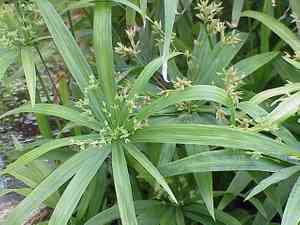
The optimal period for relocating red-root flat sedge spans from the latter part of spring through mid-summer, facilitating vigorous development. Select a location bathed in sunlight featuring soil that drains effectively. While red-root flat sedge exhibits resilience, ensuring steady hydration post-transplant is crucial for its thriving.
What Preparations are Needed Before Transplanting Red-root Flat Sedge?
What is the Ideal Time for Transplanting Red-root Flat Sedge?
The optimal period for relocating red-root flat sedge extends from the warmth of late spring through the golden days of mid-summer. This timeframe offers prime growing conditions, ensuring robust root development and vigorous health. During these months, the gentle yet consistent rise in temperatures, combined with extended periods of filtered sunlight, creates an ideal environment for red-root flat sedge to flourish after being moved. Maintaining moist and well-draining soil during these seasons aids the root transition, promoting smooth acclimatization to their new location. By transplanting within this interval, you are setting red-root flat sedge up for abundant growth, with the entire season ahead for them to thrive and enhance your garden with their distinct beauty.
How Much Space Should You Leave Between Red-root Flat Sedge Plants?
Hello, gardening enthusiast! For your red-root flat sedge, consider providing some personal spaceâaim for approximately 6-12 inches (15-30 cm) between plants. This allows them ample room to develop without overcrowding!
What is the Best Soil Mix for Red-root Flat Sedge Transplanting?
Before moving your red-root flat sedge to its new spot, prepare the soil with a well-drained loam. Encourage initial growth with a balanced 10-10-10 fertilizer, distributing nutrients at the base.
Where Should You Relocate Your Red-root Flat Sedge?
Sunlight benefits red-root flat sedge! Find a sunny location where gentle golden rays reach for most of the day. Some shade is acceptable, but ensure plenty of sun for optimal growth.
What Equipments Should You Prepare Before Transplantation Red-root Flat Sedge?
Gardening Gloves
To safeguard your hands while handling soil and the plant.
Spade or Shovel
For digging and extracting the red-root flat sedge plant from its original spot.
Garden Fork
To loosen the soil in the planting area without harming the roots.
Watering Can or Hose
To hydrate the red-root flat sedge before and after its relocation.
Wheelbarrow or Garden Cart
For moving the red-root flat sedge and soil.
Pruning Shears
To trim any damaged roots or foliage prior to transplanting.
Mulch
To help retain soil moisture following transplantation.
How Do You Remove Red-root Flat Sedge from the Soil?
How Do You Remove Red-root Flat Sedge from the Soil?
From Ground: First, moisten the red-root flat sedge plant by watering the soil. Next, dig a wide trench around the plant using a spade or shovel, making sure to keep the plant's root ball intact. Carefully work the spade beneath the root ball to lift the plant from its initial position.From Pot: Water the red-root flat sedge thoroughly to ensure the soil is damp. Gently tilt the pot sideways and tap the bottom to dislodge the plant. Slowly ease the plant out, supporting the soil and root ball with your other hand.From Seedling Tray: Water the seedlings to soften the soil. Use a spoon or a small tool to carefully lift each seedling from its cell, ensuring the root ball is supported and root disturbance is minimized.
Step-by-Step Guide for Transplanting Red-root Flat Sedge
Transplant Timing
Select a cloudy day or late afternoon to transplant your red-root flat sedge to prevent strong sunlight from stressing the plant.
Hole Preparation
Excavate a hole in the ground that is twice the width of the root ball and of equal depth. Loosen the soil at the bottom of the hole with a garden fork.
Placement
Position the red-root flat sedge plant in the center of the hole, ensuring it is at the same depth as it was in its previous location. Spread the roots outwards.
Backfilling
Gently refill the hole with soil, pressing lightly around the red-root flat sedge plant to eliminate air pockets. Water thoroughly to help the soil settle.
Support
If the red-root flat sedge plant is tall or top-heavy, carefully stake it to ensure it remains upright and stable.
How Do You Care For Red-root Flat Sedge After Transplanting?
Regular Watering
Ensure the soil around the red-root flat sedge remains consistently moist, especially during the initial weeks post-transplant to aid root establishment.
Mulching
Apply a layer of mulch around the base of the red-root flat sedge, avoiding direct contact with the stem, to conserve moisture and suppress weeds.
Monitoring
Observe the red-root flat sedge for signs of shock, such as wilting or yellowing leaves, and address any issues promptly.
Staking
Regularly check any stakes to confirm they are still providing necessary support without harming the red-root flat sedge. Adjust as needed.
Seasonal Care
Be mindful of the season during which you transplant the red-root flat sedge as it may influence specific care requirements, such as frost protection or shade provision during particularly hot periods.
Troubleshooting Common Issues with Red-root Flat Sedge Transplantation.
What's the best timeframe to transplant red-root flat sedge?
The optimal transplant period is between late spring and mid-summer for strong root establishment.
How much space do red-root flat sedge need when planting?
Space red-root flat sedge approximately 6-12 inches (15-30 cm) apart to allow ample room for growth.
Why are my red-root flat sedge seedlings wilting after transplant?
Wilting might be due to transplant shock. Keep the soil moist and provide shade for a few days.
How deep should I plant red-root flat sedge tubers?
Plant tubers so the top is just below the soil surface, about 1 inch (2.5 cm) deep.
Can I transplant red-root flat sedge on a hot day?
It's preferable to transplant on a cooler, overcast day to minimize stress on the red-root flat sedge.
What soil condition is ideal for transplanting red-root flat sedge?
Ensure rich, well-draining soil. If it's too heavy or sandy, amend it with organic matter.
How often should I water red-root flat sedge after transplanting?
Keep the soil consistently moist for the first few weeks after transplanting, avoiding waterlogging.
Is it okay to fertilize red-root flat sedge right after transplanting?
Wait 4-6 weeks before fertilizing to prevent root burn while they are still delicate.
Should I prune red-root flat sedge when transplanting?
Prune only damaged or excessively long roots to encourage healthy growth and easier transplanting.
What signs indicate red-root flat sedge isn't adapting well post-transplant?
Yellowing or browning leaves and stunted growth may suggest adaptation issues, often due to poor soil conditions or improper watering.



