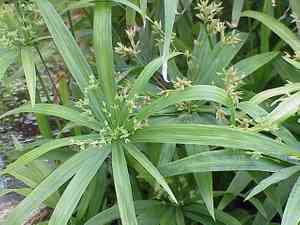
Red-root flat sedge (Cyperus erythrorhizos)
Also known as: Red-rooted flatsedge
The red-root flat sedge (Cyperus erythrorhizos) gets its name from its reddish roots. This plant thrives in wetlands and along freshwater shorelines. While some birds and muskrats consume its seeds, it is not as widely recognized as other sedge species.
In This Article
Attributes of Red-root flat sedge
Lifespan
Annual, Perennial
Plant Type
Grass
Plant Height
10 cm to 1.02 m
Spread
60 cm
Leaf Color
Green
Flower Size
0.3-0.8 cm
Flower Color
Yellow Green Brown
Images of Red-root flat sedge
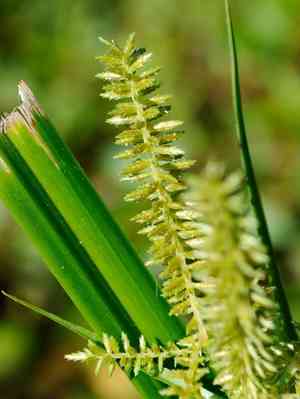
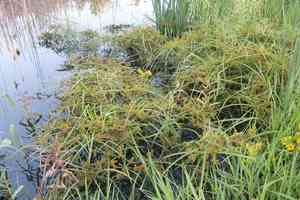
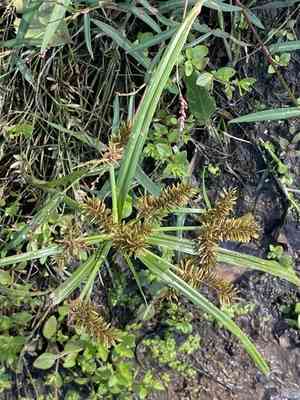
Quickly Identify Red-root flat sedge
1
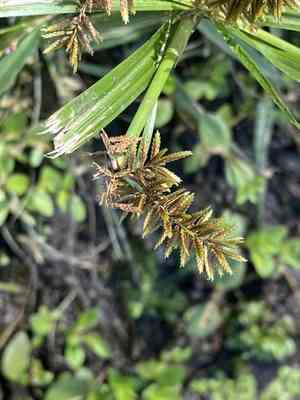
The plant can be identified by its reddish roots, and the unique fan or umbrella-like arrangement of its seed heads. The leaves are typically narrow and arranged in a basal rosette.
Scientific Classification of Red-root flat sedge
Phylum
Vascular plants
Class
Monocotyledons
Order
Poales
Family
Sedge
Genus
Nutgrasses
Species
Red-root flat sedge
Planting and Growing of Red-root flat sedge
Care Difficulty
Easy
Watering Schedule
Every 4 days
Sunlight Requirements
Full sun
Sunshine Duration
6-8 hours
Ideal Temperature
68-77℉
Soil Type
Potting Mix, Peat Mix
Soil pH
5.5-7.5
Fertilizer Type
Balanced
Pruning Season
Spring, Summer
Pruning Area
Branches, Leaves
Pruning Frequency
2 times a year
Repotting Season
Spring
Pot Type
Plastic, Ceramic
 How to Water Red-root flat sedge?
Cyperus erythrorhizos thrives well when its soil is consistently moist, so water it with about 200 milliliters each time. The goal is to ensure the top inch of soil feels damp but not soggy. The water should infiltrate the soil adequately without pooling on the surface. This approach prevents root rot while catering to its love for wet habitats.
What are the symptoms of an underwatered Red-root flat sedge?
›
What should I do if my Red-root flat sedge is not getting enough water?
›
What are the symptoms of an overwatered Red-root flat sedge?
›
How to save an overwatered Red-root flat sedge?
›
 What Are the Sunlight Requirements for Red-root flat sedge?
Cyperus erythrorhizos benefits from full sun to partial sun exposure. Ideal lighting enhances its growth, promotes vibrant coloring, and keeps the plant healthy and robust from season to season.
More About Sunlight Requirements Techniques→
What type of sunlight does Cyperus erythrorhizos prefer?
›
How can I achieve the ideal light conditions for this plant?
›
What benefits does Cyperus erythrorhizos gain from optimal light exposure?
›
 What Is the Ideal Temperature Range for Red-root flat sedge?
Cyperus erythrorhizos thrives best in temperatures ranging from 68°F to 77°F. Within this range, the plant's metabolic processes, such as photosynthesis and nutrient absorption, are optimized, leading to robust growth and successful reproduction. Maintaining this temperature ensures the plant remains healthy and resistant to stress.
 What Soil is Best for Red-root flat sedge?
Cyperus erythrorhizos thrives in soil that retains moisture exceptionally well. This helps the plant to stay hydrated, making it ideal for wetland areas. This plant prefers nutrient-rich soil that supports its robust growth. High organic matter content in the soil enhances its health and vitality. Even though moisture retention is critical, the soil must also be well-draining to prevent root rot. This balance ensures the plant's roots remain healthy.
 How to Fertilize Red-root flat sedge?
For Cyperus erythrorhizos, apply liquid fertilizer at a concentration of 0.1% to 0.2%. Use around 1 liter for every square meter of growing area to ensure ample nutrient supply. This will provide necessary nutrients without overloading the soil.
 How to Prune Red-root flat sedge?
Begin your pruning by identifying and removing any dead or diseased stems. This helps to prevent the spread of diseases and encourages healthy new growth. Carefully trim back overgrown areas to maintain a tidy and attractive shape. Focus on cutting at an angle above a node to foster new growth in the desired direction.
More About Pruning Techniques→
 How to Propagate Red-root flat sedge plant?
1
Begin by sowing seeds in seedling trays filled with a quality potting mix. Ensure the seeds are lightly covered with soil, as they need some light for germination. Water them gently and keep the trays in a warm spot with indirect sunlight. Consistent moisture is crucial at this stage.
2
To propagate through division, carefully uproot the plant during the dormant season. Gently divide the root clump into smaller sections, ensuring each has a healthy portion of roots and shoots. Replant the divisions quickly to prevent dry roots and soil desiccation.
3
Once the seedlings have developed a few true leaves or the divisions have settled, they are ready for transplanting. Prepare the soil, plant them at the right depth, and water them deeply to facilitate root establishment. Be mindful of spacing to allow for growth.
 How to Repot Red-root flat sedge plant?
1
Cyperus erythrorhizos should be repotted when you notice roots emerging from the drainage holes, indicating that the plant has outgrown its current container. Another signal is a decline in plant vigor or if the soil quickly dries out after watering, showing that the roots have occupied most of the soil space. Choose a warm day in spring or summer when the plant can recover quickly in active growth.
2
Select a pot that is about 2-3 inches larger in diameter than the current one, ensuring it has adequate drainage holes to prevent waterlogging. A slightly bigger pot helps combat overcrowding of roots, thus allowing the plant to absorb nutrients more efficiently and promoting healthier, robust growth.
3
Opt for a rich, well-draining soil mix that maintains moisture but still drains well. This can include a mixture of peat, perlite, and compost. The right soil ensures that the roots receive adequate nutrients and water without becoming waterlogged, which can prevent issues like root rot.
Learn More About Red-root flat sedge Diseases
Anthracnose
Bacterial Leaf Spot
Bacterial Soft Rot
Bacterial Wilt
Damping-off
Downy Mildew
Drought Stress
Fusarium Wilt
Gray Mold
Leaf Spot
Mosaic
Nutrient Deficiency
Nutrient Toxicity
Powdery Mildew
Root Rot
Root-knot Nematode
Rusts
Sooty Mold
Spider Mites
Temperature Stress
Thrips Damage
White Mold
Chemical Injury



