How to Transplant Baldwin's flat sedge?
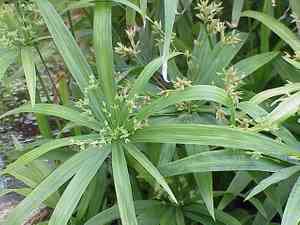
Baldwin's flat sedge flourishes when relocated from late spring into the initial weeks of summer, since the warmer ground fosters vigorous root establishment. Select a bright, adequately draining spot to guarantee peak development, and manage with care to avoid harming the roots.
What Preparations are Needed Before Transplanting Baldwin's Flat Sedge?
What is the Ideal Time for Transplanting Baldwin's Flat Sedge?
The best time to move baldwin's flat sedge is from late spring to early summer when the ground is warm and moisture levels are suitable. This period promotes better root development and minimizes transplant shock, leading to vigorous growth. Careful planning and execution during this window significantly boost the plant's health and longevity.
How Much Space Should You Leave Between Baldwin's Flat Sedge Plants?
When relocating baldwin's flat sedge, ensure each plant is positioned 12-18 inches (30-45 cm) apart. This provides sufficient room for root expansion and prevents overcrowding as the plants mature.
What is the Best Soil Mix for Baldwin's Flat Sedge Transplanting?
Prepare soil that drains well for baldwin's flat sedge. A mixture of sandy loam with some compost works excellently. Before planting, enrich the soil with a balanced, slow-release fertilizer to encourage healthy development.
Where Should You Relocate Your Baldwin's Flat Sedge?
Choose a spot that gets full sun to partial shade for moving baldwin's flat sedge. Aim for at least 6 hours of daily sunlight to ensure the plant flourishes in its new environment.
What Equipments Should You Prepare Before Transplantation Baldwin's Flat Sedge?
Gardening Gloves
To safeguard your hands while handling soil and the plant.
Shovel or Spade
For digging around and lifting the plant from its original spot.
Garden Fork
Helps to loosen soil around the root system, especially useful when extracting from the ground.
Buckets or Pots
To transport the plant if moving it a distance.
Watering Can
To hydrate the plant before and after its relocation.
Mulch
To cover the plant's base after transplanting and help retain soil moisture.
Pruning Shears
To trim any damaged roots or stems during the process.
How Do You Remove Baldwin's Flat Sedge from the Soil?
How Do You Remove Baldwin's Flat Sedge from the Soil?
From Ground: Hydrate the baldwin's flat sedge to moisten the soil. Dig a wide trench around the plant using a shovel or spade, making sure the root ball remains intact. Carefully work the spade beneath the root ball to lift the plant from its initial location.From Pot: Water the baldwin's flat sedge thoroughly to facilitate easier soil manipulation. Gently turn the pot on its side and tap the bottom to dislodge the plant. Carefully slide the plant out, supporting it by the stem's base.From Seedling Tray: Water the baldwin's flat sedge to aid in the removal process. Use a pencil or dibber to gently lift the seedlings from the tray, taking care to support the root ball and minimize any harm.
Step-by-Step Guide for Transplanting Baldwin's Flat Sedge
Prepare the New Site
Ensure the new planting hole is twice as wide and equally deep as the baldwin's flat sedge's root ball. This provides ample room for root expansion.
Amend Soil
Incorporate any necessary soil improvements to enhance drainage and fertility around the planting area.
Insert the Plant
Position the baldwin's flat sedge in the center of the hole, ensuring it sits at the same depth it was growing previously. Adjust the soil underneath if needed.
Backfill the Hole
Gently fill the hole with soil, firming it around the plantâs base. Ensure there are no air pockets that could dry out the roots.
Water Thoroughly
Water the baldwin's flat sedge completely to settle the soil around the roots and provide initial hydration.
Apply Mulch
Cover the plant's base with a few inches of mulch. This helps retain moisture and regulate soil temperature.
How Do You Care For Baldwin's Flat Sedge After Transplanting?
Watering
Keep the soil around the baldwin's flat sedge consistently moist, but not waterlogged, for the initial weeks post-transplant to encourage strong root development.
Weeding
Regularly remove any unwanted plants around the baldwin's flat sedge's base to prevent competition for nutrients and water.
Monitoring
Observe the plant for any indications of transplant shock, such as wilting or yellowing leaves, and adjust care as necessary.
Protective Measures
Consider providing light shade for the baldwin's flat sedge if intense sunlight is expected in the days immediately following transplanting to help reduce stress.
Troubleshooting Common Issues with Baldwin's Flat Sedge Transplantation.
When is the best time to transplant baldwin's flat sedge?
Relocate baldwin's flat sedge during late spring to early summer for optimal growth and establishment.
How should I prepare the new planting site?
Loosen the soil and mix in compost, ensuring itâs well-draining and fertile.
What spacing should I use for transplanting baldwin's flat sedge?
Space each plant 12-18 inches (30-45 cm) apart to allow adequate growth.
How deep should I plant baldwin's flat sedge in the new location?
Transplant baldwin's flat sedge at the same depth it was previously growing to avoid stress.
How much water does baldwin's flat sedge need after transplanting?
Water thoroughly after transplanting and keep the soil consistently moist, but not soggy.
What type of soil is best for baldwin's flat sedge?
Baldwin's flat sedge thrives in well-draining, fertile soil with a neutral to slightly acidic pH.
Should I fertilize baldwin's flat sedge after transplanting?
Use a balanced, slow-release fertilizer to support strong root development and growth.
How can I reduce transplant shock in baldwin's flat sedge?
Water well, avoid disturbing roots, and transplant during cooler parts of the day.
How much sunlight does baldwin's flat sedge need post-transplant?
Baldwin's flat sedge prefers full sun but can tolerate partial shade.
What to do if baldwin's flat sedge shows signs of wilting after transplanting?
Ensure itâs watered properly and check for root damage; consider temporary shading if needed.



