How to Transplant Talayote?
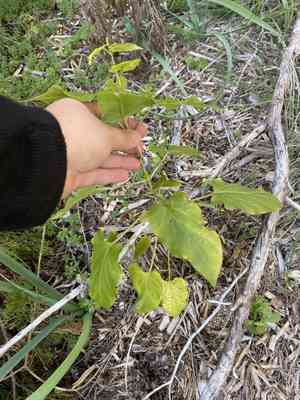
Relocating talayote flourishes when performed as the mildness of late spring transitions into the summer season, guaranteeing robust development. Select a sunny location with adequately draining earth to accommodate talayote, and throughout the transfer, handle its root system delicately.
What Preparations are Needed Before Transplanting Talayote?
What is the Ideal Time for Transplanting Talayote?
The best time to move talayote is from late spring to early summer, a period characterized by mild temperatures and consistent rainfall. This timing allows talayote to establish its root system comfortably before the intense heat of summer. Placing talayote in the garden during this window maximizes its chances for growth and survival, as the soil warms and the risk of frost has passed. The moderate weather conditions help talayote adapt to its new surroundings with minimal stress, fostering healthier development and more robust growth.
How Much Space Should You Leave Between Talayote Plants?
When arranging your talayote plants, aim for a spacing of 8 inches (approximately 20 cm) to 12 inches (about 30 cm). This distance provides each plant sufficient room to thrive without competing for nutrients and sunlight.
What is the Best Soil Mix for Talayote Transplanting?
Talayote will flourish in well-draining soil rich in organic matter. Prepare the ground by incorporating a balanced, slow-release fertilizer to nourish the plants as they settle into their new home.
Where Should You Relocate Your Talayote?
Select a sunny location for your talayote where it can receive full sun to partial shade. A spot getting about 4 to 6 hours of sunlight daily would be perfect for these perennials to grow happily.
What Equipments Should You Prepare Before Transplantation Talayote?
Gardening Gloves
To safeguard your hands while handling soil and plants.
Shovel or Spade
For excavating the plant and preparing the new planting site.
Garden Trowel
For more precise digging and managing the plant during relocation.
Pruning Shears
For trimming roots or branches if needed before transplanting.
Watering Can or Hose
For hydrating the plant before removal and after replanting.
Wheelbarrow or Garden Cart
To move the talayote plant from one spot to another, especially if it's large.
Root Pruning Fork or Soil Knife
To assist in gently separating roots if they are tightly bound.
Measuring Tape
To ensure correct spacing when planting in the ground.
How Do You Remove Talayote from the Soil?
How Do You Remove Talayote from the Soil?
From Ground: First, water the talayote plant to moisten the soil, making it easier to manage. Use a shovel or spade to dig a wide circle around the plant, taking care to preserve as much of the root ball as possible. Gently slide the shovel under the root ball to lift the talayote plant from the ground.From Pot: Water the talayote plant to allow the roots to detach from the pot's sides. Turn the pot on its side and gently tap or squeeze it to loosen the soil's grip. Handle the plant by its base and carefully ease it out, keeping the root ball intact.From Seedling Tray: Water the seedling tray to dampen the soil and facilitate the removal of individual plants. Use a garden trowel or a dibbler to carefully separate the soil from the bottom of the cell containing the talayote plant. Hold the plant by its leaves, not the stem, and gently lift it out of the tray.
Step-by-Step Guide for Transplanting Talayote
Prepare the Transplant Site
Dig a hole in the ground that is twice as wide and equal in depth to the talayote plant's root ball.
Inspect and Prune Roots
Examine the root ball for any damaged or dead roots and trim them with pruning shears. If roots are circling (pot-bound), gently untangle them to encourage outward growth.
Position the Plant
Place the talayote plant in the center of the hole so that the top of the root ball is level with the surrounding soil surface.
Backfill the Hole
Carefully fill the hole with the excavated soil, gently tamping down to ensure there are no air pockets around the roots.
Water Thoroughly
Water the talayote plant well to settle the soil around the roots and eliminate any remaining air pockets. This step is vital for promoting good root contact with the surrounding soil.
Add Support if Needed
If the talayote plant is tall or top-heavy, consider staking it to provide extra support until the roots have established enough to anchor the plant.
Mulch
Apply a layer of mulch around the base of the talayote plant to help maintain soil moisture and regulate temperature. Ensure that the mulch is not touching the stem or leaves, as this can cause rot.
How Do You Care For Talayote After Transplanting?
Monitoring Health
Observe your talayote plant for signs of stress such as wilting, yellowing, or leaf drop. These can indicate watering or adjustment issues.
Adjustment Period
Allow your talayote plant some time to adapt to its new location. Minimize stress by avoiding pruning or fertilization immediately after transplanting.
Regular Watering
Initially, the talayote plant will need more frequent watering until its root system has become established. Gradually reduce watering as the plant shows new growth and appears to be adapting.
Wind Protection
If necessary, shield the newly transplanted talayote plant from strong winds using a windbreak or by temporary sheltering.
Weed Management
Keep the area around the talayote plant free of weeds which can compete for resources such as water and nutrients.
Troubleshooting Common Issues with Talayote Transplantation.
What's the best time to transplant talayote for optimal growth?
Transplant talayote when the weather warms, ideally during late spring to the cusp of summer for robust growth.
How far apart should I space talayote when transplanting?
Assure that each talayote has about 8 to 12 inches (20â30 cm) space; this promotes healthy development.
Why is my talayote wilting after transplantation?
Wilting could be due to transplant shock. Ensure proper watering, and avoid direct sunlight initially for recovery.
How should I prepare the soil for transplanting talayote?
Enrich the soil with organic matter, ensure good drainage, and keep the soil moist but not waterlogged.
What's the correct depth to plant talayote's roots?
Dig a hole that accommodates the root ball's depth and twice its width for ample space.
How much water does talayote need after transplanting?
Water thoroughly post-transplant to settle the soil. Then water regularly, allowing for slight soil drying between.
Why are the leaves of talayote turning yellow post-transplant?
Possible over/under-watering or nutrient deficiency. Check soil moisture and consider a balanced fertilizer application.
What should I do if the roots of talayote are circling?
Gently tease apart or trim circling roots before planting to encourage outward growth and prevent girdling.
Can I transplant talayote during other seasons?
While possible, transplanting outside of ideal times risks plant stress. If necessary, provide extra care and attention.
How soon should I fertilize talayote after transplanting?
Wait 4-6 weeks before fertilizing to avoid burning the roots. Let the plant establish itself first.



