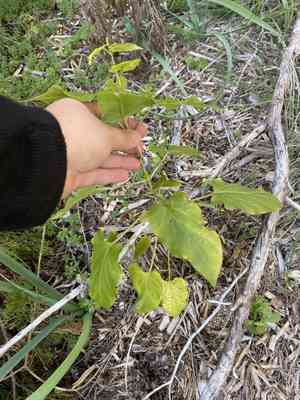
Talayote (Cynanchum racemosum)
Also known as: Hierba Mora, Charalito
Talayote (Cynanchum racemosum) thrives in sandy, well-drained soils commonly found in coastal forests and scrublands. It serves as an important resource for various pollinators and acts as a host plant for several insects, such as specific butterflies and moths. This enhances local biodiversity and supports ecosystem health.
In This Article
Attributes of Talayote
Lifespan
Perennial
Plant Type
Vine, Herb
Plant Height
Varies, typically up to 3 meters (10 feet) when climbing over supports.
Spread
N/A for this climbing plant.
Leaf Color
Green
Flower Size
Approximately 0.5 cm
Flower Color
White to greenish
Images of Talayote
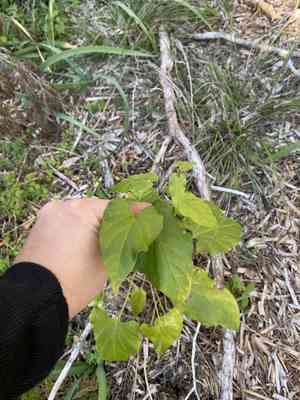
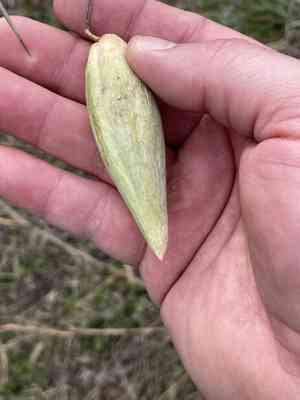
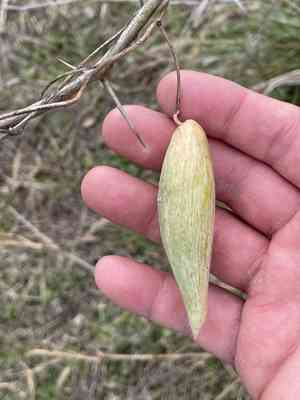
Quickly Identify Talayote
1
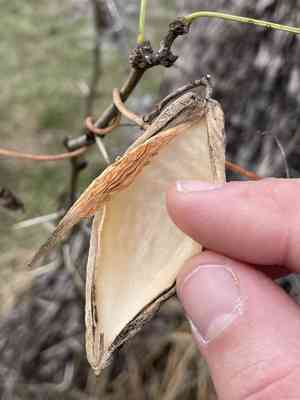
To identify Cynanchum racemosum, look for its twining habit with slender stems, opposite leaves, and clusters of small white to greenish flowers. The flowers are star-shaped, and the plant produces follicle-like fruit.
Scientific Classification of Talayote
Phylum
Vascular plants
Class
Dicotyledons
Order
Gentianales
Family
Dogbane
Genus
Swallow-wort
Species
Talayote
Planting and Growing of Talayote
Care Difficulty
Easy
Watering Schedule
Every 2 days
Sunlight Requirements
Partial sun
Sunshine Duration
6-10 hours
Ideal Temperature
65-75℉
Soil Type
Potting Mix, Peat Mix
Soil pH
6.5-7.5
Fertilizer Type
Balanced
Pruning Season
Spring, Summer
Pruning Area
Branches, Leaves
Pruning Frequency
2 times a year
Repotting Season
Spring
Pot Type
Plastic, Ceramic
 How to Water Talayote?
When watering Cynanchum racemosum, aim to thoroughly moisten the soil until water starts draining from the bottom of the pot. The plant appreciates consistent moisture without being constantly wet.
What are the symptoms of an underwatered Talayote?
›
What should I do if my Talayote is not getting enough water?
›
What are the symptoms of an overwatered Talayote?
›
How to save an overwatered Talayote?
›
 What Are the Sunlight Requirements for Talayote?
Cynanchum racemosum thrives in partial sun to partial shade conditions. This light range offers the right balance, promoting healthy foliage and increased resilience against stress, while fostering growth and potential flowering.
What type of light does Cynanchum racemosum prefer?
›
How can I ensure optimal light conditions for this plant?
›
What benefits does ideal lighting offer this plant?
›
 What Is the Ideal Temperature Range for Talayote?
The ideal temperature range for cultivating Cynanchum racemosum spans from 65 to 75°F. This range is optimal for promoting robust growth and ensuring healthy foliage. Maintaining this temperature range helps to simulate the plant's natural habitat, encouraging its physiological functions such as photosynthesis and nutrient absorption.
 What Soil is Best for Talayote?
Cynanchum racemosum thrives in well-drained soil to prevent root rot, which can be detrimental. Well-drained soil allows for proper aeration and water movement, fostering healthy root development. This species benefits from a nutrient-rich soil, providing essential minerals and organic matter that support its vigorous growth and overall plant vitality. Soil with moderate moisture retention helps maintain consistent hydration levels for Cynanchum racemosum. This balance is crucial in preventing water stagnation and ensuring the plant's metabolic processes function efficiently.
 How to Fertilize Talayote?
For Cynanchum racemosum, a balanced approach works best. Use a diluted liquid fertilizer at half the recommended strength to avoid overwhelming the plant's roots. Too much fertilizer can lead to salt buildup in the soil, which may harm your plant.
 How to Prune Talayote?
Begin by identifying healthy growth and any areas with potential disease. Using sanitized and sharp pruning shears, make precision cuts at a 45-degree angle just above the node where the leaf or branch is emerging. This technique promotes faster healing and minimizes damage. Focus on removing older, non-flowering wood and any overlapped growth to allow sunlight to reach all parts of the plant. Removing excess growth channels energy into flowering, enhancing bloom production.
More About Pruning Techniques→
 How to Propagate Talayote plant?
1
Collect seeds from a mature Cynanchum racemosum plant. Prepare the potting mix and fill it into containers. Sow the seeds on the surface, covering lightly with soil. Water gently to ensure soil contact.
2
Select a healthy parent plant and use a sterile cutting tool to take 4-6 inch long cuttings. Remove leaves from the bottom half of the cutting and dip in rooting hormone to improve root development.
3
Insert the treated cutting into pre-moistened potting mix, ensuring proper contact with soil. Place in a warm, bright location and mist regularly to maintain humidity levels around the cutting.
 How to Repot Talayote plant?
1
Repotting is best when you notice the roots growing out of the drainage holes, or if the surface soil dries out too fast. These are signs the plant has outgrown its current home and needs more space to flourish.
2
Select a pot that's 1-2 inches wider than the root ball, with adequate drainage holes. This allows for room to grow and prevents waterlogging, which can lead to root rot. Material-wise, clay pots are a good choice as they provide breathability.
3
A well-draining potting mix is essential for Cynanchum racemosum. Opt for a blend that contains perlite or sand for drainage, alongside organic matter to retain some moisture. This combination mimics the plant's natural environment, promoting healthier growth.
Toxicity
Ingestion
WARNING
The judgment on toxicity and danger is for reference only. We DO NOT GUARANTEE any accuracy of such judgment. Therefore, you SHALL NOT rely on such judgment. It is IMPORTANT TO SEEK PROFESSIONAL ADVICE in advance when necessary.
Learn More About Talayote Diseases
Anthracnose
Bacterial Leaf Spot
Bacterial Soft Rot
Bacterial Wilt
Black Spot
Chemical Injury
Crown Gall
Cyst Nematode
Damping-off
Downy Mildew
Drought Stress
Fusarium Wilt
Gray Mold
Leaf Curl
Leaf Spot
Mosaic
Nutrient Deficiency
Nutrient Toxicity
Powdery Mildew
Root Rot
Root-knot Nematode
Rusts
Sooty Mold
Spider Mites
Temperature Stress
Thrips Damage
White Mold



