How to Transplant Buck-horn cholla?
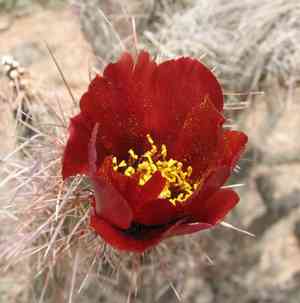
The optimal period for relocating buck-horn cholla falls within the late spring to early summer warmth, providing perfect circumstances for root development. Select bright, adequately draining locations and progressively acclimate buck-horn cholla to avert transplant stress.
What Preparations are Needed Before Transplanting Buck-horn Cholla?
What is the Ideal Time for Transplanting Buck-horn Cholla?
Moving your buck-horn cholla in late spring, extending into early summer, is optimal, aligning with its natural growth cycle. This timing ensures the buck-horn cholla establishes itself in warmer soil, preventing cold damage. This period offers balanced temperatures and increasing daylight, which aids root development before the intense heat of midsummer. Scheduling the relocation for buck-horn cholla during this window maximizes its recovery and vitality, promoting robust growth.
How Much Space Should You Leave Between Buck-horn Cholla Plants?
When getting ready to transplant buck-horn cholla, ensure each plant has ample room to flourish. Aim for a spacing of approximately 3.3 to 5 feet (1 to 1.5 meters) between them. This prevents competition for essential nutrients and sunlight.
What is the Best Soil Mix for Buck-horn Cholla Transplanting?
For buck-horn cholla, the perfect soil is well-draining, featuring a sandy or gravelly texture. Before transplanting, incorporate a cactus-specific or low-nitrogen fertilizer to give your buck-horn cholla an excellent start. Avoid dense, clay-rich soils that retain too much moisture.
Where Should You Relocate Your Buck-horn Cholla?
Select a sunny location where buck-horn cholla will receive direct sunlight for most of the day. These plants thrive in warmth and prefer spots that mimic their natural desert environment, so more direct sun exposure is always better!
What Equipments Should You Prepare Before Transplantation Buck-horn Cholla?
Gardening Gloves
To safeguard your hands while handling soil and buck-horn cholla.
Shovel or Spade
Required to excavate buck-horn cholla from its original spot without harming the root ball.
Watering Can or Hose
For hydrating buck-horn cholla prior to removal and after its relocation.
Trowel
Useful for adjusting soil or digging small holes during the transplanting process.
Wheelbarrow or Garden Cart
To transport buck-horn cholla and soil to and from the new planting site.
Tape Measure
To assist in accurately spacing planting locations for buck-horn cholla at the recommended distance.
Root Pruning Shears
For trimming any damaged roots before replanting.
Staking Supplies (optional)
If buck-horn cholla needs support immediately following transplantation.
How Do You Remove Buck-horn Cholla from the Soil?
How Do You Remove Buck-horn Cholla from the Soil?
From Ground: Gently moisten the buck-horn cholla to make the soil easier to manage. Use a shovel or spade to dig a wide circle around buck-horn cholla to protect its root system. Carefully slide the shovel beneath the root ball and gradually lift buck-horn cholla from the ground.From Pot: First, water the buck-horn cholla to help the root ball slide out of the pot. Turn the pot on its side, gently tap the bottom and sides, and let gravity assist in easing buck-horn cholla out while supporting the plant's base.From Seedling Tray: Dampen the soil in the tray. Use a trowel or your fingers to carefully loosen the soil around the buck-horn cholla seedling. Lift the plant with care, ensuring the roots and attached soil remain intact.
Step-by-Step Guide for Transplanting Buck-horn Cholla
Prep Work
Prepare the new planting site by clearing any debris and ensuring the ground is moist and the earth is loose.
Excavation
Dig a hole in the new spot that is slightly deeper and wider than the buck-horn cholla's root ball to ensure a comfortable fit.
Root Inspection
Examine the root ball and use pruning shears to remove any damaged or diseased roots, promoting healthy growth.
Placement
Position buck-horn cholla in the center of the hole, ensuring it stands upright and the top of the root ball is level with the surrounding soil surface.
Backfill
Gently refill the hole with the excavated soil, firming it around the roots to eliminate air pockets.
Watering
Thoroughly water buck-horn cholla to settle the soil and provide hydration. If necessary, use stakes to offer structural support to buck-horn cholla until it is established.
Final Touches
Add a layer of organic mulch around buck-horn cholla to retain moisture and reduce weed growth, making sure to keep the mulch away from the stem to prevent rot.
How Do You Care For Buck-horn Cholla After Transplanting?
Initial Watering
Provide buck-horn cholla with ample water immediately after transplanting and continue regularly until it is well-established.
Observation
Regularly check buck-horn cholla for signs of stress, such as wilting leaves or discoloration, and adjust care as needed.
Protection
During the first few weeks, monitor buck-horn cholla for any pest or disease issues and protect it with appropriate measures.
Support
Inspect any stakes or supports for stability as buck-horn cholla grows, and adjust them to prevent damage from wind or weather.
Troubleshooting Common Issues with Buck-horn Cholla Transplantation.
What's the best time of year to transplant buck-horn cholla?
The optimal transplanting period is late spring to early summer, ensuring a warm growing season ahead.
How far apart should I space buck-horn cholla when transplanting?
Space buck-horn cholla approximately 3 to 5 feet apart (1 to 1.5 meters) to allow for adequate growth.
How much should I water buck-horn cholla after transplanting?
Water buck-horn cholla gently to settle the soil around the roots, but avoid excessive watering as they prefer drier conditions.
What kind of soil is best for transplanting buck-horn cholla?
Utilize well-draining soil to prevent root rot; sandy or gravelly textures are ideal.
How deep should the hole be when transplanting buck-horn cholla?
Dig a hole slightly deeper than the root ball, but twice as wide, to encourage proper root expansion.
What should I do if buck-horn cholla shows signs of transplant shock?
Minimize transplant shock by placing buck-horn cholla in a partially shaded area and maintaining moderate watering for the initial weeks.
Can I fertilize buck-horn cholla right after transplanting?
It's best to wait until buck-horn cholla is established before fertilizing. Begin with a mild dose after about a month.
Should I prune buck-horn cholla when transplanting?
Prune only damaged or dead sections to direct the plant's energy towards root establishment.
How do I handle the spines of buck-horn cholla during transplanting?
Wear thick gloves and use tools like tongs to manage buck-horn cholla, to avoid being pricked by its spines.
What to do if buck-horn cholla isn't showing growth after transplant?
Be patient, as buck-horn cholla may take some time to settle. Ensure proper care and consult a local expert if growth ceases.



