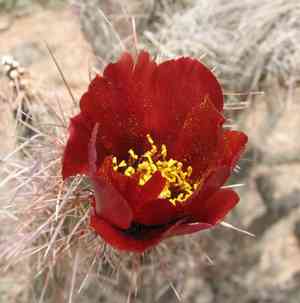
Buck-horn cholla (Cylindropuntia acanthocarpa)
Also known as: Thornber's buckhorn cholla
The buckhorn cholla (Cylindropuntia acanthocarpa) is prevalent in both the Mojave and Sonoran deserts. This cactus can reach heights of up to 3 meters and features a branching, woody structure. Its flowers can vary from yellow to red, and its oval-shaped fruit is adorned with barbed spines. These spines offer excellent protection for birds that nest within the cactus, shielding them from predators.
In This Article
Attributes of Buck-horn cholla
Lifespan
Perennial
Plant Type
Succulent
Plant Height
1.2 m
Spread
1.5 m
Leaf Color
Stems are green; leaves are seasonally insignificant and quickly drop
Flower Size
Up to 4 centimeters
Flower Color
Yellow Orange Green
Images of Buck-horn cholla
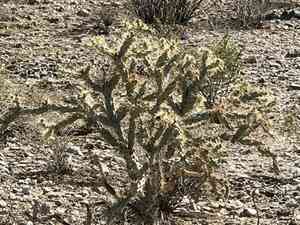
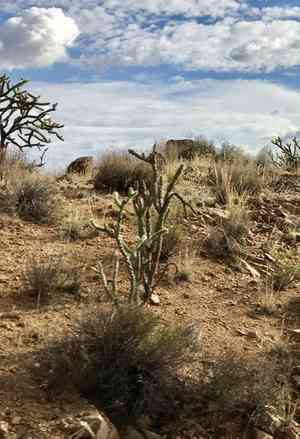
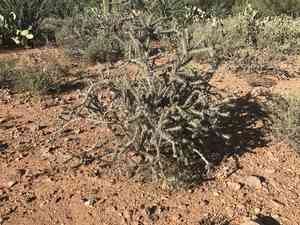
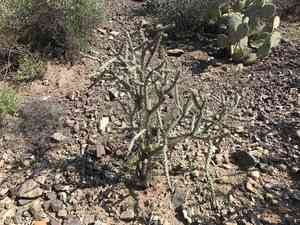
Quickly Identify Buck-horn cholla
1
To identify Cylindropuntia acanthocarpa, look for a cactus with cylindrical, jointed stems that are segmented and covered in long, sharp spines. It typically bears flowers that can be yellow, greenish, or red and produces spiny, club-shaped fruits.
Scientific Classification of Buck-horn cholla
Phylum
Vascular plants
Class
Dicotyledons
Order
Caryophyllales
Family
Cactuses
Genus
Chollas
Species
Buck-horn cholla
Planting and Growing of Buck-horn cholla
Care Difficulty
Easy
Watering Schedule
Every day
Sunlight Requirements
Full sun
Sunshine Duration
6-10 hours
Ideal Temperature
65-85℉
Soil Type
Potting Mix, Peat Mix
Soil pH
6.5-7.5
Fertilizer Type
Balanced
Pruning Season
Spring, Summer
Pruning Area
Branches, Leaves
Pruning Frequency
2 times a year
Repotting Season
Spring
Pot Type
Plastic, Ceramic
 How to Water Buck-horn cholla?
When watering Cylindropuntia acanthocarpa, ensure you provide approximately 250 ml, allowing the soil to dry out between waterings. The goal is to mimic its natural desert habitat, which means infrequent yet thorough watering.
What are the symptoms of an underwatered Buck-horn cholla?
›
What should I do if my Buck-horn cholla is not getting enough water?
›
What are the symptoms of an overwatered Buck-horn cholla?
›
How to save an overwatered Buck-horn cholla?
›
 What Are the Sunlight Requirements for Buck-horn cholla?
Cylindropuntia acanthocarpa thrives in full sun conditions ideally receiving around 6 to 8 hours of direct sunlight daily. This sunlight exposure supports photosynthesis, enhances structural integrity, and promotes healthy flowering cycles.
More About Sunlight Requirements Techniques→
What is the ideal lighting condition for Cylindropuntia acanthocarpa?
›
How can I ensure Cylindropuntia acanthocarpa gets the best light?
›
What benefits does Cylindropuntia acanthocarpa receive from ideal lighting?
›
 What Is the Ideal Temperature Range for Buck-horn cholla?
The ideal temperature range for Cylindropuntia acanthocarpa, commonly known as buckhorn cholla, lies between 65°F to 85°F. This range ensures optimal growth by providing conditions that mimic its natural desert habitat. Maintaining temperatures within this range helps in promoting healthy photosynthetic activity, balanced water retention, and resistance to pests and diseases that could otherwise stress the plant.
 What Soil is Best for Buck-horn cholla?
Cylindropuntia acanthocarpa thrives in well-draining soil, preventing root rot and waterlogging. This promotes healthy growth as it mimics its natural desert habitat, ensuring the plant's roots get enough oxygen. This cactus requires soil low in organic matter, similar to the sparse nutrient conditions of its native environment. This helps prevent over-fertilization, which can harm the plant, and maintains the integrity of the soil structure. The plant benefits from a gravelly or sandy soil texture, which enhances drainage and replicates its scattered natural landscape. This supports robust root development and stabilizes the plant in windy conditions.
 How to Fertilize Buck-horn cholla?
For Cylindropuntia acanthocarpa, the recommended fertilizer amount is about half the strength typically used for other plants. This is due to its native arid environment. Use a balanced cactus fertilizer or a nitrogen-rich formula diluted to 1/4 or 1/2 the usual strength.
 How to Prune Buck-horn cholla?
Start by closely examining your Cylindropuntia acanthocarpa for any segments that appear shriveled, damaged, or discolored. These should be removed first as they can harbor diseases or pests that might spread to healthier parts of the plant. Once the unhealthy sections are removed, you can begin trimming to achieve your desired shape. Aim to maintain an even, balanced appearance by cutting back growth that protrudes awkwardly or creates an uneven silhouette. After pruning, it's crucial to sanitize your tools with a mix of water and bleach to eliminate any pathogens. This practice helps to prevent the spread of diseases between different plants and keeps your garden healthy.
 How to Propagate Buck-horn cholla plant?
1
To propagate by seed, first collect mature seeds from the fruit of Cylindropuntia acanthocarpa. Ensure the seeds are fully mature by checking for a robust, hard outer shell.
2
For cutting propagation, cut healthy segments from the plant's stem using sterilized shears. Let the cuttings callus over for a few days to prevent rot before planting.
3
Once callused, plant the cuttings in a well-draining cactus mix. Keep the cuttings in a warm, shaded area until roots have developed, which may take several weeks.
 How to Repot Buck-horn cholla plant?
1
Repot your Cylindropuntia acanthocarpa when you notice the roots are coming out of the drainage holes, or when the plant becomes top-heavy and unstable. Additionally, if soil drainage has diminished, causing water to pool on the surface, it's time to provide new soil to refresh the nutrient availability.
2
Select a pot slightly larger than the current one to allow for root growth but avoid excessive size to prevent waterlogging. The pot should have sufficient drainage holes to ensure excess water can escape, which is crucial for the desert adaptation of the Cylindropuntia acanthocarpa.
3
Opt for a well-draining cactus mix, as it mimics the plant's natural habitat. This type of soil allows for quick drying after watering, reducing root rot risk and ensuring the roots receive adequate oxygen.



