How to Transplant Wingnut cryptantha?
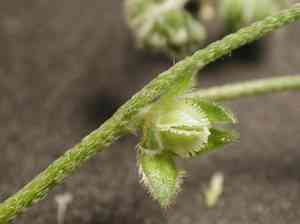
Wingnut cryptantha flourishes when relocated in the initial to middle spring months, as it benefits from moderate temperatures and ample hydration. For optimal development, select a bright, adequately draining spot. Refrain from directly manipulating the root system to avert harm.
What Preparations are Needed Before Transplanting Wingnut Cryptantha?
What is the Ideal Time for Transplanting Wingnut Cryptantha?
Wingnut cryptantha, an annual plant, is best moved in early to mid-spring. Relocating during this period allows the plant to benefit from mild temperatures and increased moisture, fostering robust root development. By optimizing these conditions, you ensure a more vigorous growth season, enhancing both survival rates and overall plant health.
How Much Space Should You Leave Between Wingnut Cryptantha Plants?
For transplanting wingnut cryptantha, ensure each plant is spaced 12-18 inches (30-45 cm) apart. This provides ample room for them to grow and thrive without overcrowding.
What is the Best Soil Mix for Wingnut Cryptantha Transplanting?
Prepare well-drained sandy or loamy soil enriched with a balanced organic fertilizer. This supplies wingnut cryptantha with the necessary nutrients to flourish.
Where Should You Relocate Your Wingnut Cryptantha?
Wingnut cryptantha thrives in a sunny spot. Be sure to select a location where it can receive at least 6 hours of direct sunlight daily.
What Equipments Should You Prepare Before Transplantation Wingnut Cryptantha?
Gardening Gloves
To safeguard your hands while handling soil and plants.
Trowel
For excavating small holes and loosening earth around the root ball.
Spade
To dig a trench if extracting the plant from the ground.
Watering Can
To hydrate the plant before and after relocation.
Garden Fork
Useful for aerating the soil and carefully lifting plants with delicate root systems.
Pruning Shears
To trim any dead or damaged roots or foliage.
Plant Labels
To mark the locations where you've transplanted wingnut cryptantha in your garden.
How Do You Remove Wingnut Cryptantha from the Soil?
How Do You Remove Wingnut Cryptantha from the Soil?
From Ground: First, moisten the soil around the wingnut cryptantha plant. Then, use a spade to dig a wide trench around the plant, ensuring the root ball remains intact. Carefully work the spade beneath the root ball to lift the plant from its original spot.From Pot: Gently loosen the soil along the pot's edges. Turn the pot on its side and lightly tap it to release the wingnut cryptantha plant. Carefully slide the plant out, making sure the root ball stays whole.From Seedling Tray: Lightly water the seedlings to make the soil easier to manage. Gently push up from the bottom of the cell to extract the wingnut cryptantha seedling, supporting the plant by its leaves, not the stem.
Step-by-Step Guide for Transplanting Wingnut Cryptantha
Digging Hole
Excavate a hole in the ground that is slightly larger than the root ball of your wingnut cryptantha plant.
Preparing Hole
Loosen the soil at the bottom of the hole and incorporate a layer of compost to support the plant's growth.
Placing Plant
Position the wingnut cryptantha plant into the hole, ensuring the top of the root ball is flush with the soil surface.
Filling Hole
Backfill the hole with soil, gently firming it around the plant's base to eliminate air pockets.
Watering In
Thoroughly water the newly transplanted wingnut cryptantha to help settle the soil and encourage root establishment.
How Do You Care For Wingnut Cryptantha After Transplanting?
Watering
Keep the soil around the wingnut cryptantha consistently moist, but not waterlogged, for the initial few weeks post-transplant to aid in developing strong roots.
Mulching
Apply a layer of mulch around the base of the wingnut cryptantha plant to help retain moisture and regulate soil temperature.
Pruning
Trim any dead or damaged leaves to promote new growth and reduce stress on the plant.
Monitoring
Watch for signs of transplant shock, such as wilting or discoloration, and provide additional care as needed.
Troubleshooting Common Issues with Wingnut Cryptantha Transplantation.
When is the best time to transplant wingnut cryptantha?
Early to mid-spring is the optimal period to relocate wingnut cryptantha.
How much space should be left between wingnut cryptantha plants?
Allow 12-18 inches (30-45 cm) of space between each wingnut cryptantha plant for ideal growth.
What type of soil is best for transplanting wingnut cryptantha?
Utilize well-draining soil rich in organic matter for transplanting wingnut cryptantha.
Should wingnut cryptantha be watered immediately after transplanting?
Yes, water wingnut cryptantha generously right after transplanting to help establish its roots.
How can I avoid transplant shock in wingnut cryptantha?
Transplant wingnut cryptantha on an overcast day and water thoroughly to minimize transplant shock.
What should I do if wingnut cryptantha wilt after transplanting?
Ensure sufficient watering and partial shade to help wingnut cryptantha recover from wilting.
Can wingnut cryptantha be transplanted in full sunlight?
Yes, but it's best to gradually acclimate wingnut cryptantha to full sunlight after transplanting.
How deep should wingnut cryptantha be planted during transplanting?
Plant wingnut cryptantha at the same depth it was originally growing to prevent root stress.
How often should wingnut cryptantha be watered after transplanting?
Water wingnut cryptantha regularly to keep the soil moist but not saturated, especially in the first few weeks.
What if wingnut cryptantha shows signs of stress post-transplant?
Check soil moisture, light exposure, and adjust as necessary to alleviate stress in wingnut cryptantha.



