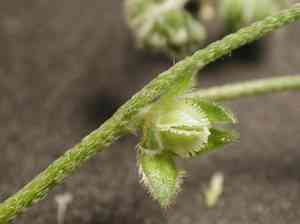
Wingnut cryptantha (Cryptantha pterocarya)
Also known as: Winged-nut cryptantha
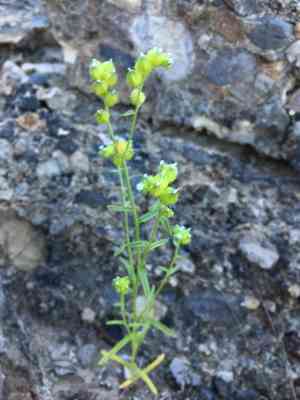
Wingnut cryptantha, a hardy annual herb, excels in desert environments with sporadic rainfall. Its adaptations include deep roots for accessing water, and tiny, hairy leaves that minimize water loss by reducing surface area and retaining moisture. Blooming in spring, its white to yellow tubular flowers attract pollinators. Additionally, its distinctive winged seeds facilitate wind dispersal, enhancing its ability to colonize new areas and survive the challenging desert landscape.
In This Article
Attributes of Wingnut cryptantha
Lifespan
Annual
Plant Type
Herb
Plant Height
10 cm to 38 cm
Spread
15-40 cm (spread of the plant)
Leaf Color
Green
Flower Size
1-5 mm
Flower Color
White
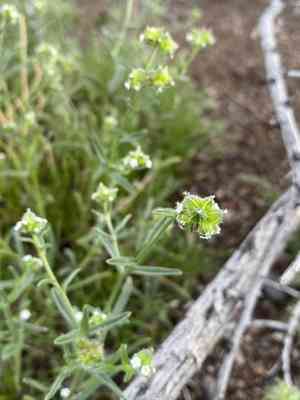
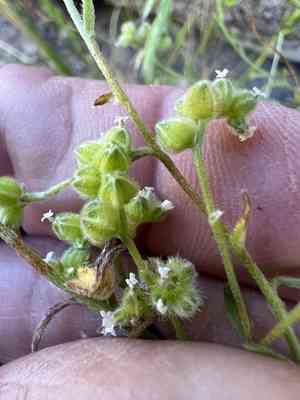
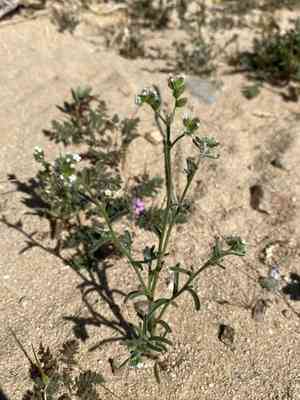
Images of Wingnut cryptantha
Quickly Identify Wingnut cryptantha
1
Look for bristly, hairy stems, small white flowers with five lobes, and its unique winged nutlets which give the plant its common name.
Scientific Classification of Wingnut cryptantha
Phylum
Vascular plants
Class
Dicotyledons
Order
Boraginales
Family
Borage
Genus
Cat's eye
Species
Wingnut cryptantha
Planting and Growing of Wingnut cryptantha
Care Difficulty
Hard
Watering Schedule
Every 2 days
Sunlight Requirements
Full sun
Sunshine Duration
4-6 hours
Ideal Temperature
50-70℉
Soil Type
Potting Mix, Peat Mix
Soil pH
6-8.5
Fertilizer Type
Balanced
Pruning Season
Spring, Summer
Pruning Area
Branches, Leaves
Pruning Frequency
2 times a year
Repotting Season
Spring
Pot Type
Plastic, Ceramic
 How to Water Wingnut cryptantha?
Cryptantha pterocarya thrives with moderate watering, meaning you should provide enough water to moisten the soil but allow it to dry out between waterings. Typically, 250 ml per session is adequate, ensuring the root zone receives moisture without being waterlogged.
What are the symptoms of an underwatered Wingnut cryptantha?
›
What should I do if my Wingnut cryptantha is not getting enough water?
›
What are the symptoms of an overwatered Wingnut cryptantha?
›
How to save an overwatered Wingnut cryptantha?
›
 What Are the Sunlight Requirements for Wingnut cryptantha?
Cryptantha pterocarya thrives best with full to partial sun exposure. This ensures energy capture for photosynthesis, resulting in strong, healthy growth and an abundance of blooms.
What is the best way to mimic its natural habitat?
›
How can I enhance light exposure indoors?
›
What benefits does optimal sunlight provide?
›
 What Is the Ideal Temperature Range for Wingnut cryptantha?
Cryptantha pterocarya thrives best in temperatures ranging from 50°F to 70°F. This range allows the plant to undergo proper metabolic and physiological processes, ensuring healthy growth and development.
 What Soil is Best for Wingnut cryptantha?
Cryptantha pterocarya thrives best in well-drained soils as this prevents root rot and other waterlogging issues. The free drainage allows the roots to breathe and access necessary nutrients efficiently. While adaptable to less fertile conditions, having a soil enriched with organic matter supports robust growth and flowering in Cryptantha pterocarya. Nutrient-rich soils can enhance the aesthetic value of this plant by promoting lush foliage. Cryptantha pterocarya shows an affinity for slightly alkaline conditions, which facilitates the absorption of essential minerals. This preference can lead to healthier plant development and more resilient structure against disease.
 How to Fertilize Wingnut cryptantha?
For Cryptantha pterocarya, use a balanced 10-10-10 liquid fertilizer at a rate of 1 teaspoon per gallon of water for liquid applications. For slow-release applications, use up to 1 tablespoon per square foot of soil. Ensure even distribution to prevent root burn.
 How to Prune Wingnut cryptantha?
Always wear protective gloves to safeguard against sharp thorns or possible skin irritation. Ensure you have a stable stance while pruning to avoid any accidents. Avoid pruning in harsh weather conditions like high heat or rain. These conditions can stress the plant further and impede its recovery post-pruning.
More About Pruning Techniques→
 How to Propagate Wingnut cryptantha plant?
1
Start by collecting mature seeds from the parent plant. Clean them by removing any pulp or debris, and dry them thoroughly before storage. Once clean, you can store them in a cool, dry place until you are ready to plant.
2
Fill the seed trays with the seed-starting mix and make tiny indentations for each seed. Place the seeds in the indentations and cover them lightly with the mix. Water gently to ensure that the seeds are hydrated without being dislodged.
3
Place the seed trays in a location that receives plenty of indirect sunlight. Maintain a consistent temperature of around 65 to 75 degrees Fahrenheit. Keep the soil moist but not overly wet to encourage germination.
 How to Repot Wingnut cryptantha plant?
1
Cryptantha pterocarya should be repotted when it shows signs of being root-bound, such as roots growing out of the drainage holes, a decreased growth rate, or water not absorbing properly. Perform this task in spring or summer when conditions promote recovery and new growth.
2
Choose a pot just slightly larger than the current one, ensuring it has ample drainage holes. This prevents waterlogging and encourages healthier root growth. The pot's size should allow the plant to expand without overwhelming the current root system.
3
Opt for a well-draining substrate, such as a sandy mix, which mimics its natural environment. This soil type prevents standing water and provides adequate air space for roots, essential for preventing root rot and facilitating optimal growth.



