How to Transplant Basin cryptantha?
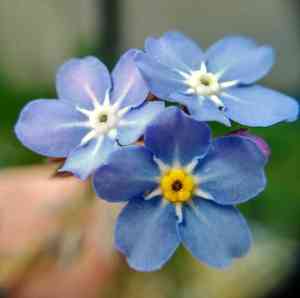
Basin cryptantha flourishes when relocated during the temperate conditions of early to mid-spring. Place it in a brightly lit spot with soil that drains effectively for peak development. Bear in mind, careful manipulation guarantees successful rooting.
What Preparations are Needed Before Transplanting Basin Cryptantha?
What is the Ideal Time for Transplanting Basin Cryptantha?
Basin cryptantha, being an annual plant, thrives best when moved during the initial to middle spring period. This timing allows the plant to establish its root system prior to summer's heat, encouraging vigorous development and blooming. Relocating in spring ensures basin cryptantha is well-positioned to utilize the growing season's favorable conditions.
How Much Space Should You Leave Between Basin Cryptantha Plants?
When transplanting basin cryptantha, aim to position each plant approximately 12 inches (30 cm) apart. This provides ample room for growth and access to necessary nutrients.
What is the Best Soil Mix for Basin Cryptantha Transplanting?
Prepare soil that drains effectively for basin cryptantha, ideally a sandy or gravelly blend. Begin by incorporating a balanced, all-purpose base fertilizer to promote healthy development.
Where Should You Relocate Your Basin Cryptantha?
Basin cryptantha flourishes in full sun, so select a spot that receives at least 6 hours of direct sunlight daily. This will aid in the development of strong and vibrant plants.
What Equipments Should You Prepare Before Transplantation Basin Cryptantha?
Gardening Gloves
To safeguard your hands while handling soil and plants.
Shovel or Spade
For excavating a trench around the plant and lifting it from the ground.
Trowel
Useful for relocating small plants or young sprouts.
Watering Can or Hose
For hydrating the plant before and after its relocation.
Planting Container or Bucket
To temporarily hold the plant if necessary.
Mulch
To assist in retaining soil moisture post-transplanting.
How Do You Remove Basin Cryptantha from the Soil?
How Do You Remove Basin Cryptantha from the Soil?
From Ground: First, moisten the basin cryptantha's soil with water. Next, dig a wide trench around the plant using a shovel or spade, ensuring the plant's root ball remains intact. Carefully work the spade beneath the root ball to lift the plant from its original spot.From Pot: Water the basin cryptantha thoroughly to make the soil easier to manage. Gently tap the pot's sides and bottom to loosen the soil. Carefully invert the pot while supporting the plant with your hand and gently slide it out.From Seedling Tray: Water the seedlings and tray. Use a trowel or your fingers to carefully lift each seedling from the tray, holding them gently by the leaves (not the stem) to prevent damage.
Step-by-Step Guide for Transplanting Basin Cryptantha
Site Preparation
Select a location with adequate sunlight and room for your basin cryptantha to grow. Clear any weeds or debris from the area and loosen the soil to facilitate planting.
Digging the Hole
Excavate a hole that is twice as wide and the same depth as the root ball of your basin cryptantha. This provides ample space for the roots to spread.
Positioning the Plant
Place the basin cryptantha into the hole, ensuring the top of the root ball is level with the surrounding soil. Adjust the hole's depth if needed.
Backfilling and Firming
Refill the hole with soil, gently firming it around the plant's base to eliminate air pockets. Be careful not to compact the soil too tightly.
Watering
Thoroughly water the newly transplanted basin cryptantha to settle the soil around the roots and hydrate the plant. Ensure the water penetrates deeply to reach the root zone.
Applying Mulch
Add a layer of mulch around the base of the basin cryptantha to help retain moisture and maintain consistent soil temperature. Keep the mulch a few inches away from the stem to prevent rot.
How Do You Care For Basin Cryptantha After Transplanting?
Watering
Keep the soil around the basin cryptantha consistently moist, but not waterlogged, for the initial weeks after transplanting to aid in establishing strong roots.
Monitoring
Regularly inspect the plant for signs of stress such as wilting or yellowing foliage, and adjust watering as necessary.
Protection
Consider providing temporary shade for the basin cryptantha if the weather is very hot or sunny immediately following transplantation.
Support
If the basin cryptantha is tall or delicate, offer support such as stakes or cages to help it remain upright while it establishes itself.
Troubleshooting Common Issues with Basin Cryptantha Transplantation.
When is the best time to transplant basin cryptantha?
Relocate basin cryptantha in early to mid-spring for optimal growth and development.
How much space should be between each basin cryptantha plant?
Space each basin cryptantha plant 12 inches (30 cm) apart for healthy growth and airflow.
What soil conditions are ideal for basin cryptantha?
Ensure well-draining, sandy or loamy soil with a neutral pH for best results.
How can I prevent transplant shock in basin cryptantha?
Water thoroughly immediately after transplanting and keep soil consistently moist for the first week.
What should I do if my basin cryptantha looks wilted after transplanting?
Check soil moisture and water if needed. Avoid overwatering as it can cause root rot.
How deep should I plant basin cryptantha seedlings?
Plant basin cryptantha seedlings at the same depth they were growing in their original container.
Can I use fertilizers when transplanting basin cryptantha?
Use a balanced, slow-release fertilizer at the time of planting to support growth.
How can I protect basin cryptantha transplants from pests?
Use organic pesticides or natural predators to control pests around newly transplanted basin cryptantha.
Why are my basin cryptantha transplants not thriving?
Ensure they receive 6-8 hours of sunlight daily and check soil conditions for proper nutrients.
What temperature is ideal for transplanting basin cryptantha?
Transplant basin cryptantha when temperatures are between 60-70°F (15-21°C) to avoid stress.



