How to Transplant Indian rattlebox?
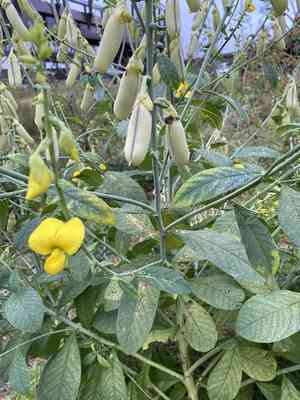
For indian rattlebox, the optimal time for relocation spans from the refreshing onset of early spring to the lively vigor of late spring. Select a brightly lit spot with soil that drains effectively to foster robust development. Steer clear of overly wet environments to avert ailments of the root system.
Necessary Preparations Before Relocating Indian Rattlebox?
When is the Optimal Period for Relocating Indian Rattlebox?
The prime season for relocating indian rattlebox spans from early to late spring, as this timeframe offers ideal growth conditions with mild temperatures and increased sunlight. Moving it during this period enhances root establishment and vigor, ensuring a robust and resilient plant. This timing capitalizes on its natural growth cycle, fostering healthy development.
What Distance Should You Maintain Between Indian Rattlebox Plants?
When relocating indian rattlebox, ensure each plant is positioned approximately 18-24 inches (45-60 cm) apart. This spacing prevents competition for vital resources such as nutrients, water, and sunlight.
What is the Best Soil Mixture for Indian Rattlebox Relocation?
For indian rattlebox, prepare soil that drains well and is enriched with organic material. A blend of garden soil and compost works effectively. Incorporate a balanced base fertilizer, such as a 10-10-10 (NPK), to aid quicker plant establishment.
Where Should You Replant Your Indian Rattlebox?
Select a sunny location for indian rattlebox where it can receive at least 6-8 hours of direct sunlight daily. This will promote vigorous growth and vibrant blooms.
What Tools Should You Prepare Before Relocating Indian Rattlebox?
Gardening Gloves
To safeguard your hands while handling soil and plants.
Small Spade or Shovel
For excavating around the plant and preparing the new planting site.
Garden Trowel
To assist in loosening the soil surrounding the plant's root system.
Watering Can or Hose
To hydrate the plant both before and after its relocation.
Pruners
For trimming any damaged roots or foliage.
Mulch
To help maintain soil moisture and regulate temperature around the plant.
How Do You Extract Indian Rattlebox from the Ground?
How Do You Extract Indian Rattlebox from the Ground?
From Pot: Gently tap the pot's sides to loosen the soil. Carefully tilt the pot and slide the plant out, holding it by the stem's base.From Ground: First, moisten the soil around the indian rattlebox plant by watering it. Then, using a shovel or spade, dig a wide trench around the plant, ensuring the root ball remains intact. Carefully work the spade beneath the root ball to lift the plant from its original spot.From Seedling Tray: Lightly water the seedlings to dampen the soil. Use a garden trowel to lift each seedling, keeping the root ball whole. Handle seedlings by their leaves to avoid harming delicate stems.
Step-by-Step Guide for Relocating Indian Rattlebox
Site Preparation
Choose a spot with appropriate conditions for your indian rattlebox plant.
Prepare Planting Hole
Dig a hole twice the width and the same depth as the root ball of your indian rattlebox plant.
Add Soil Amendments
If necessary, incorporate compost or organic matter into the hole to enhance soil structure.
Place the Plant
Position the indian rattlebox plant in the center of the hole, ensuring the top of the root ball is level with the surrounding ground.
Fill the Hole
Backfill the hole with soil, gently pressing it down to eliminate air pockets, taking care not to harm the roots.
Water the Plant
Thoroughly water the plant immediately after relocation to settle the soil around its roots.
Mulch the Area
Apply a layer of mulch around the plant's base, leaving a gap around the stem to prevent rot.
How Do You Care For Indian Rattlebox After Relocation?
Watering
Keep the soil around the indian rattlebox consistently moist, but not waterlogged, for the initial weeks post-relocation to aid strong root development.
Monitoring
Regularly inspect the plant for indications of stress, such as wilting or yellowing leaves, and adjust care as needed.
Protection
Shield the newly relocated indian rattlebox plant from strong winds and direct sunlight by providing temporary shade or windbreaks if necessary.
Weeding
Keep the area around the indian rattlebox free of weeds to reduce competition for nutrients and water.
Feeding
Once the plant has settled, apply a balanced fertilizer to support its growth.
Addressing Common Issues with Indian Rattlebox Relocation.
What is the ideal time to relocate indian rattlebox?
The ideal time to relocate indian rattlebox is from early spring to late spring for optimal growth.
How much space should I allow between indian rattlebox plants?
Allow 18-24 inches (45-60 cm) of space between indian rattlebox plants for healthy development.
How do I prepare the soil for relocating indian rattlebox?
Ensure well-draining soil, enriched with organic matter, to provide the best conditions for relocating indian rattlebox.
How should I water indian rattlebox after relocation?
Water indian rattlebox thoroughly after relocation, keeping the soil consistently moist but not waterlogged.
What should I do if indian rattlebox shows signs of relocation shock?
Protect indian rattlebox from intense sunlight, ensure adequate watering, and refrain from fertilizing until it recovers.
How deep should I plant indian rattlebox during relocation?
Plant indian rattlebox at the same depth as it was in its original container to avoid stress.
What should I do if indian rattlebox leaves start yellowing after relocation?
Check for excessive watering or root damage, and ensure the plant is not exposed to extreme temperatures.
How can I support indian rattlebox growth after relocation?
Mulch around indian rattlebox to retain moisture and suppress weeds, but keep mulch away from the stem.
Can I relocate indian rattlebox during hot weather?
Avoid relocating indian rattlebox during hot weather to minimize stress and increase survival chances.
How should I handle indian rattlebox's roots during relocation?
Handle indian rattlebox's roots gently, avoid damaging them, and ensure they are spread out well in the new hole.



