How to Transplant Siskiyou hawk's-beard?
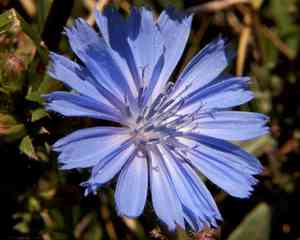
The optimal period for relocating siskiyou hawk's-beard is from mid-spring through late spring, leveraging the favorable environmental circumstances. Select a brightly lit spot with soil that drains effectively for superior outcomes. The temperate weather of this period aids in seamless acclimation.
What Preparations are Needed Before Transplanting Siskiyou Hawk's-beard?
What is the Ideal Time for Transplanting Siskiyou Hawk's-beard?
Siskiyou hawk's-beard, a perennial, is best moved in mid to late spring. This timing ensures optimal soil warmth and adequate moisture, fostering better root establishment and development. Transplanting during this period boosts the plant's resilience and vigor, preparing it for strong performance in the growing season.
How Much Space Should You Leave Between Siskiyou Hawk's-beard Plants?
When relocating siskiyou hawk's-beard, aim for a separation of 12-18 inches (30-45 cm) between each specimen. This provides ample room for individual growth without crowding, promoting good air circulation and healthy development.
What is the Best Soil Mix for Siskiyou Hawk's-beard Transplanting?
For siskiyou hawk's-beard, utilize well-draining soil enriched with organic matter. Prepare the ground by incorporating compost or a slow-release granular fertilizer. This supplies essential nutrients and supports robust root growth.
Where Should You Relocate Your Siskiyou Hawk's-beard?
Select a site for siskiyou hawk's-beard that receives full sunlight for at least 6-8 hours daily. This ensures the plant gets sufficient light to flourish and produce abundant blooms throughout its active growth period.
What Equipments Should You Prepare Before Transplantation Siskiyou Hawk's-beard?
Gardening Gloves
To safeguard your hands while handling soil and plants.
Shovel or Spade
For excavating around the plant and preparing the new planting spot.
Trowel
For smaller digging tasks and working in confined areas.
Watering Can or Hose
To hydrate the plant before and after its relocation.
Mulch
To aid in retaining soil moisture and protecting the plant post-transplant.
Garden Fork
To loosen the soil surrounding the plant if necessary.
How Do You Remove Siskiyou Hawk's-beard from the Soil?
How Do You Remove Siskiyou Hawk's-beard from the Soil?
From Ground: First, irrigate the siskiyou hawk's-beard plant to moisten the soil. Then, excavate a wide trench around the plant using a shovel or spade, ensuring the plant's root ball remains intact. Carefully work the spade beneath the root ball to lift the plant from its original position.From Pot: Gently tap and compress the pot's sides to loosen the soil. Incline the pot and carefully extract the plant, holding it by the base to keep the root ball whole.From Seedling Tray: Lightly water the seedlings prior to removal. Use a trowel or your fingers to gently lift the seedlings from the tray, making sure to preserve as much of the root system as possible.
Step-by-Step Guide for Transplanting Siskiyou Hawk's-beard
Prepare the New Site
Before extracting the siskiyou hawk's-beard plant from its initial spot, prepare the new location by digging a hole that is at least twice as wide and the same depth as the plant's root ball.
Amend the Soil
Incorporate any necessary soil enhancements to ensure the new site is favorable for the siskiyou hawk's-beard plant’s development.
Remove the Plant
Follow the appropriate extraction method based on the plant's original placement (ground, pot, seedling tray).
Transplant the Plant
Position the siskiyou hawk's-beard plant in the center of the new hole. Ensure the top of the root ball is level with the surrounding soil. Backfill the hole with soil, pressing gently to eliminate air pockets.
Water Thoroughly
Water the siskiyou hawk's-beard plant thoroughly after transplanting to help settle the soil and encourage root establishment.
Apply Mulch
Spread a layer of mulch around the base of the siskiyou hawk's-beard plant to help retain soil moisture and regulate soil temperature.
How Do You Care For Siskiyou Hawk's-beard After Transplanting?
Watering
Keep the soil around the siskiyou hawk's-beard consistently damp, but not waterlogged, for the initial weeks post-transplant to aid in developing strong roots.
Mulching
Regularly inspect the mulch layer and replenish as needed to ensure the soil remains moist.
Monitoring
Look for any indications of transplant shock, such as wilting or discolored foliage, and provide additional care as required.
Weeding
Keep the area surrounding the siskiyou hawk's-beard plant free of weeds to minimize competition for nutrients and water.
Troubleshooting Common Issues with Siskiyou Hawk's-beard Transplantation.
When is the best time to transplant siskiyou hawk's-beard?
The optimal time to transplant siskiyou hawk's-beard is mid to late spring for ideal root establishment.
How much space should be between each siskiyou hawk's-beard?
Space each siskiyou hawk's-beard 12-18 inches (30-46 cm) apart to allow room for growth.
How do I prepare the soil for transplanting siskiyou hawk's-beard?
Loosen the soil to a depth of 10 inches (25 cm) and mix in compost for nutrients.
What is the ideal depth for planting siskiyou hawk's-beard?
Plant siskiyou hawk's-beard at the same depth it was growing in its original container to avoid stress.
Should I water siskiyou hawk's-beard immediately after transplanting?
Yes, water siskiyou hawk's-beard thoroughly after transplanting to help settle the soil around the roots.
What should I do if siskiyou hawk's-beard wilts after transplanting?
Provide a shade cover and keep the soil consistently moist to help siskiyou hawk's-beard recover from transplant shock.
How can I protect siskiyou hawk's-beard from pests after transplanting?
Use organic mulch around siskiyou hawk's-beard and inspect regularly for pests like aphids and snails.
Can I transplant siskiyou hawk's-beard in the fall?
It's best to transplant siskiyou hawk's-beard in mid to late spring; fall transplanting can lead to poor growth.
Do I need to fertilize siskiyou hawk's-beard after transplanting?
Use a balanced, slow-release fertilizer after about four weeks to support new growth.
How can I ensure the roots of siskiyou hawk's-beard are not damaged during transplanting?
Gently tease apart the roots before placing siskiyou hawk's-beard in the new location to prevent damage.



