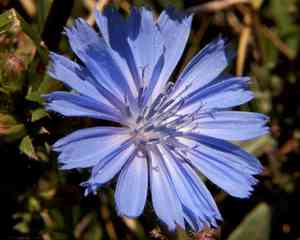
Siskiyou hawk's-beard (Crepis modocensis)
Also known as: Modoc hawksbeard
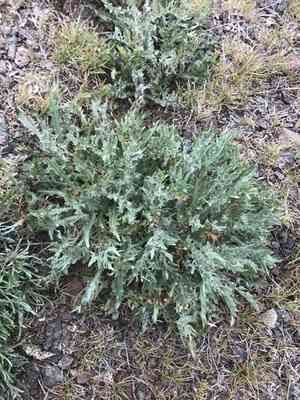
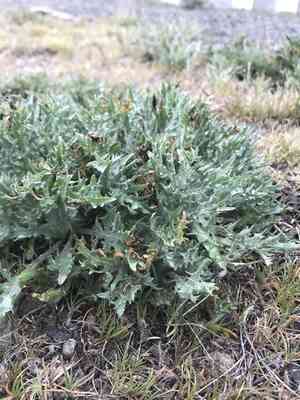
Crepis modocensis is a perennial herb featuring an erect stem that can grow up to 45 centimeters tall, often adorned with long bristles. The leaves, which can be woolly and bristly, have dark veins and are edged with a mix of blunt and sharp lobes. The basal leaves can reach lengths of up to 25 centimeters.
In This Article
Attributes of Siskiyou hawk's-beard
Lifespan
Perennial
Plant Type
Herb
Plant Height
10 cm to 38 cm
Spread
Not applicable as the plant has a rosette growth form
Leaf Color
Green
Flower Size
2 to 4 cm
Flower Color
Yellow
Images of Siskiyou hawk's-beard
Quickly Identify Siskiyou hawk's-beard
1
Crepis modocensis can be identified by its basal rosette of leaves, which can be lobed or toothed, and its erect flowering stems bearing bright yellow flowers. The plant produces dandelion-like seed heads that disperse in the wind.
Scientific Classification of Siskiyou hawk's-beard
Phylum
Vascular plants
Class
Dicotyledons
Order
Asterales
Family
Daisy
Genus
Hawksbeard
Species
Siskiyou hawk's-beard
Planting and Growing of Siskiyou hawk's-beard
Care Difficulty
Hard
Watering Schedule
Every 3 days
Sunlight Requirements
Full sun
Sunshine Duration
6-10 hours
Ideal Temperature
60-75℉
Soil Type
Potting Mix, Peat Mix
Soil pH
6.5-7.5
Fertilizer Type
Balanced
Pruning Season
Spring, Summer
Pruning Area
Branches, Leaves
Pruning Frequency
2 times a year
Repotting Season
Spring
Pot Type
Plastic, Ceramic
 How to Water Siskiyou hawk's-beard?
For Crepis modocensis, water the soil thoroughly until it feels evenly moist to the touch, typically requiring about 250 ml per watering. Be careful not to leave the soil soggy, as this could lead to root rot.
What are the symptoms of an underwatered Siskiyou hawk's-beard?
›
What should I do if my Siskiyou hawk's-beard is not getting enough water?
›
What are the symptoms of an overwatered Siskiyou hawk's-beard?
›
How to save an overwatered Siskiyou hawk's-beard?
›
 What Are the Sunlight Requirements for Siskiyou hawk's-beard?
Crepis modocensis thrives best in full to partial sun, requiring about 6-8 hours of sunlight. Benefits of this ideal range include robust growth, vibrant foliage, and increased floral displays, supporting its health and aesthetic appeal.
What is the ideal amount of daily sunlight?
›
How to ensure Crepis modocensis gets adequate sunlight?
›
What are the benefits of ideal lighting for Crepis modocensis?
›
 What Is the Ideal Temperature Range for Siskiyou hawk's-beard?
The ideal temperature range for Crepis modocensis is between 60°F and 75°F. This range provides optimal conditions for photosynthesis and growth without causing stress to the plant. Maintaining this range ensures the plant can efficiently absorb nutrients, leading to robust growth and blooming.
 What Soil is Best for Siskiyou hawk's-beard?
Crepis modocensis thrives in well-draining soils that prevent waterlogging and root rot. Such a soil structure ensures healthy root development and supports consistent nutrient uptake. Soil enriched with organic matter boosts the plant's growth. Nutrient-rich soils supply essential minerals that enhance flowering and foliage health, resulting in a robust and vibrant plant. While well-draining, the soil should retain sufficient moisture to sustain the plant between watering sessions. This balance is crucial for maintaining turgidity and preventing desiccation.
 How to Fertilize Siskiyou hawk's-beard?
For Crepis modocensis, a modest amount of balanced fertilizer is ideal. For liquid fertilizers, use about a quarter of the recommended dose on the package to prevent nutrient overdose. Solid fertilizers should also be applied sparingly, following the manufacturer's guidelines for smaller or low-nutrient-requirement plants.
 How to Prune Siskiyou hawk's-beard?
Before you begin pruning, take a moment to inspect the entire plant. Look for dead or diseased foliage that should be removed. Identifying these will guide your pruning process, ensuring you're targeting the right spots. When pruning, make your cuts at a 45-degree angle. This allows water to run off the cut surface more easily, reducing the risk of rot. It also promotes quicker healing of the plant tissue. Focus pruning efforts on removing spent flowers and seed heads. This encourages the plant to divert energy into new growth and creates a neater appearance. Regular deadheading can significantly enhance its blooming capacity. After pruning, keep an eye on new growth. This provides insights into the plant's response to pruning. Healthy, vigorous new shoots indicate successful pruning, while weak growth may signal the need for adjusted care.
More About Pruning Techniques→
 How to Propagate Siskiyou hawk's-beard plant?
1
Fill the seed tray with a sterile potting mix, ensuring it is evenly spread and not compacted. The mix should be moistened but not waterlogged to provide an ideal germination environment.
2
Distribute the Crepis modocensis seeds evenly over the surface of the potting mix. Cover them lightly with a thin layer of the mix, ensuring they are not buried too deep as they need light for germination.
3
Place the seed tray in a spot with indirect sunlight and moderate temperature. Keep the potting mix consistently moist by misting it regularly, but avoid oversaturating the soil.
 How to Repot Siskiyou hawk's-beard plant?
1
Look for roots growing out of drainage holes, slow growth, or water sitting on the surface. These are clear signals that Crepis modocensis requires repotting to continue thriving.
2
Select a pot 1-2 inches larger in diameter than the current one. This encourages root expansion and prevents excess soil from retaining too much moisture, reducing the risk of root rot.
3
Opt for well-draining sandy soil to replicate its natural habitat. This choice ensures optimal aeration and drainage, crucial for healthy root development and preventing waterlogging.



