How to Transplant Pear hawthorn?
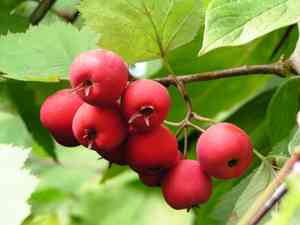
Pear hawthorn flourishes when transplanted at the beginning of spring or during late fall, as these periods are ideal for root development. Select a site that receives ample sunlight and offers effective water runoff. Exercise caution during handling to prevent damage to the root system.
What Preparations are Needed Before Transplanting Pear Hawthorn?
What is the Ideal Time for Transplanting Pear Hawthorn?
Pear hawthorn should ideally be moved in early spring or late autumn. These periods offer moderate temperatures and moisture levels, lessening transplant shock. Early spring allows for a growth head start, while late autumn permits root establishment prior to dormancy. These timings ensure better adaptation and robust growth for this perennial.
How Much Space Should You Leave Between Pear Hawthorn Plants?
When relocating pear hawthorn, ensure they are spaced 10-15 feet (3-4.5 meters) apart. This provides each plant ample room to develop and prevents overcrowding, fostering healthier growth.
What is the Best Soil Mix for Pear Hawthorn Transplanting?
For pear hawthorn, select well-drained soil with a pH between 6.0 and 7.5. Incorporate organic compost or a balanced base fertilizer to boost soil fertility and support strong root development.
Where Should You Relocate Your Pear Hawthorn?
Pear hawthorn thrives best in full sun, so choose a planting location where the plant will receive at least 6 hours of direct sunlight daily. This helps ensure vigorous growth and abundant flowering.
What Equipments Should You Prepare Before Transplantation Pear Hawthorn?
Gardening Gloves
To safeguard your hands while handling soil and plants.
Shovel or Spade
To excavate the plant and its root ball from its original spot.
Watering Can or Hose
To hydrate the plant before and after its relocation.
Trowel
To assist with smaller digging tasks and to backfill soil around the plant once moved.
Wheelbarrow
To transport the plant if necessary.
Stakes and Ties
To offer support to the plant post-transplant, preventing it from falling over.
How Do You Remove Pear Hawthorn from the Soil?
How Do You Remove Pear Hawthorn from the Soil?
From Ground: First, water the pear hawthorn plant to moisten the soil. Then, dig a wide trench around the plant using a shovel or spade, ensuring the plant's root ball remains intact. Carefully work the spade under the root ball to lift the plant from its original location.From Pot: Gently water the plant to facilitate soil extraction. Tilt the pot slightly and tap the bottom to loosen the soil. Carefully slide the plant out, supporting the root ball with your hand.From Seedling Tray: Water the seedlings to ensure the soil is soft. Use a trowel or spoon to gently lift each seedling out, being careful to keep the roots intact and undisturbed.
Step-by-Step Guide for Transplanting Pear Hawthorn
Site Preparation
Prepare the new planting location by digging a hole that is twice as wide and slightly deeper than the pear hawthorn's root ball. This allows the roots ample room to spread and grow.
Soil Preparation
Loosen the soil at the base of the hole and mix in any necessary organic material or compost to provide nutrients for your pear hawthorn.
Plant Placement
Carefully position the pear hawthorn in the center of the hole, ensuring that the top of the root ball is level with or slightly above the surrounding soil. This helps prevent water from accumulating at the base.
Backfilling
Fill in the hole with the native soil, pressing it gently around the root ball to eliminate any air pockets. Be sure not to compact the soil too tightly.
Watering
Water the pear hawthorn thoroughly after planting to help settle the soil and initiate the root establishment process.
Staking
If the pear hawthorn is tall or top-heavy, use stakes and ties to support it until it is well-established. This helps prevent wind damage and ensures the plant grows upright.
How Do You Care For Pear Hawthorn After Transplanting?
Watering
Keep the soil around the pear hawthorn consistently moist, but not waterlogged, for the first few weeks after transplanting to help establish strong roots.
Mulching
Apply a layer of mulch around the base of the pear hawthorn to retain moisture, regulate soil temperature, and suppress weeds. Keep mulch away from the stem to prevent rot.
Monitoring
Regularly check the pear hawthorn for signs of stress or transplant shock, such as wilting or yellowing leaves, and adjust care as needed. Early intervention can help the plant recover more quickly.
Pruning
Trim any damaged or dead branches to encourage new growth and reduce stress on the plant as it establishes itself in its new location.
Troubleshooting Common Issues with Pear Hawthorn Transplantation.
When is the best time to transplant pear hawthorn?
The best time to transplant pear hawthorn is early spring or late fall.
How far apart should I plant pear hawthorn?
Plant pear hawthorn about 10-15 feet (3-4.5 meters) apart for optimal growth.
What type of soil is ideal for pear hawthorn?
Pear hawthorn thrives in well-draining soil with a neutral to slightly acidic pH.
How should I prepare the soil for pear hawthorn?
Amend the soil with compost to improve drainage and nutrient content before transplanting.
How do I dig up pear hawthorn for transplanting?
Dig a wide, shallow trench around the plant to keep the root ball intact.
What should I do if the leaves of pear hawthorn wilt after transplanting?
Water the plant thoroughly and ensure it is shaded for a few days to minimize stress.
Should I prune pear hawthorn before transplanting?
Lightly prune any damaged or diseased branches but avoid heavy pruning before transplanting.
How deep should the transplant hole be for pear hawthorn?
Dig a hole twice as wide and just as deep as the root ball.
How often should I water pear hawthorn after transplanting?
Water the plant deeply once a week, ensuring the soil remains moist but not waterlogged.
What mulch is best for pear hawthorn after transplanting?
Apply organic mulch like straw or wood chips around pear hawthorn to retain moisture and regulate temperature.



