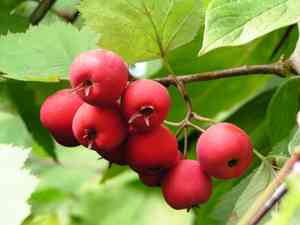
Pear hawthorn (Crataegus calpodendron)
Also known as: Pear Hawthorn
Crataegus calpodendron, native to the eastern United States and Ontario, Canada, is commonly known as "Late Hawthorn." This name originates from its flowering period, which occurs later than that of most other North American hawthorns.
In This Article
Attributes of Pear hawthorn
Lifespan
Perennial
Plant Type
Tree, Shrub
Plant Height
3.5 m to 11 m
Spread
4-6 meters (13-20 feet)
Leaf Color
Dark green
Flower Size
2-3 cm
Flower Color
White
Images of Pear hawthorn
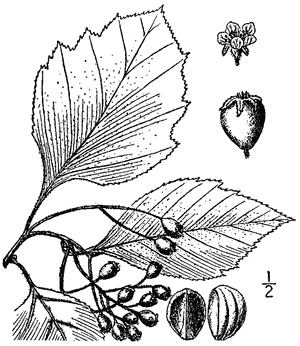
Quickly Identify Pear hawthorn
1
Crataegus calpodendron can be identified by its pear-shaped fruit, jagged-toothed leaves, and the presence of thorns. The tree blooms with white flowers in the spring, and its fruit turns a bright red when ripe.
Scientific Classification of Pear hawthorn
Phylum
Vascular plants
Class
Dicotyledons
Order
Rosales
Family
Rose
Genus
Hawthorns
Species
Pear hawthorn
Planting and Growing of Pear hawthorn
Care Difficulty
Moderate
Watering Schedule
Every 3 days
Sunlight Requirements
Full sun
Sunshine Duration
6-12 hours
Ideal Temperature
60-70℉
Soil Type
Potting Mix, Peat Mix
Soil pH
6.5-7.5
Fertilizer Type
Balanced
Pruning Season
Spring, Summer
Pruning Area
Branches, Leaves
Pruning Frequency
2 times a year
Repotting Season
Spring
Pot Type
Plastic, Ceramic
 How to Water Pear hawthorn?
For Crataegus calpodendron, the watering amount should be substantial enough to reach the deeper root system, yet not excessive to avoid waterlogging the soil. Ideally, about 500 ml of water per session is recommended. This amount allows moisture to be thoroughly absorbed without leaving excess water sitting at the bottom of the pot. Ensure that the soil feels damp but not soggy after watering.
What are the symptoms of an underwatered Pear hawthorn?
›
What should I do if my Pear hawthorn is not getting enough water?
›
What are the symptoms of an overwatered Pear hawthorn?
›
How to save an overwatered Pear hawthorn?
›
 What Are the Sunlight Requirements for Pear hawthorn?
Crataegus calpodendron ideally requires full sun to partial sun, approximately 6-8 hours of exposure daily, promoting healthy growth and optimal flowering. Adequate light ensures robust foliage and bloom production, contributing to its aesthetic appeal.
Optimal Light Intensity
›
Flexible Exposure
›
Consistent Sunlight
›
 What Is the Ideal Temperature Range for Pear hawthorn?
The ideal temperature range of 60-70°F is optimal for Crataegus calpodendron as it aligns closely with the natural climate conditions of its native habitat. This ensures proper growth, flowering, and fruiting as the plant is best adapted to moderate temperatures commonly found in temperate regions. Maintaining this range helps in achieving a consistent growth rate and prevents the plant from experiencing unnecessary stress due to temperature fluctuations.
 What Soil is Best for Pear hawthorn?
Crataegus calpodendron thrives in well-draining soil because it prevents root rot by ensuring excess water is swiftly channeled away, keeping roots healthy and oxygenated. This plant benefits from nutrient-rich soil, which supports vigorous growth and enhances fruit production by providing essential minerals and nutrients. While drainage is crucial, the soil should also have some ability to retain moisture, maintaining a balance that keeps roots sufficiently hydrated without becoming waterlogged.
 How to Fertilize Pear hawthorn?
For Crataegus calpodendron, it's important not to overdo fertilization. A balanced 10-10-10 or 20-20-20 fertilizer can be applied. For liquid fertilizers, use about 1 tablespoon per gallon of water. For slow-release fertilizers, follow the product's recommended rate, which is often about 1/4 cup per 100 square feet. Adjust based on the plant's response and environmental conditions.
 How to Prune Pear hawthorn?
Use sharp, sterile pruning shears for small branches and a saw for thicker ones. Start by removing dead or damaged branches, then thin out overcrowded branches to open up the canopy. This encourages better air flow and reduces the risk of fungal infections. Shape the tree by cutting back to a bud facing the direction you want growth. Aim to maintain an open structure and proper height. When removing larger branches, make clean cuts just outside the branch collar to promote healing and minimize disease entry.
 How to Propagate Pear hawthorn plant?
1
Prepare the seeds by soaking them in water for 24 hours. This softens the seed coat, enhancing germination. Stratification might be necessary, so place them in moist sand and refrigerate for several weeks to simulate winter conditions.
2
Select healthy branches for cuttings, ideally semi-hardwood ones. Cut them at a 45-degree angle to improve root development, and make sure each cutting has at least three to five nodes.
3
For grafting, choose scions and rootstock of similar diameter. Make accurate cuts for a compatible union, and secure them tightly with grafting tape to ensure they grow together.
 How to Repot Pear hawthorn plant?
1
Crataegus calpodendron should be repotted when you notice roots poking out from the pot's drainage holes or if the plant shows signs of stunted growth. These are clear indicators that the roots need more space to thrive, typically occurring every 2 to 3 years.
2
Select a pot that is approximately 2 inches larger in diameter than the current one. This allows ample space for root expansion without overwhelming the plant. A pot with drainage holes is crucial to prevent waterlogging, leading to healthier root systems and overall plant growth.
3
Opt for a well-draining loamy soil mix with perlite or sand to enhance drainage. This ensures that the soil retains enough moisture to support the plant while simultaneously preventing root rot by allowing excess water to drain efficiently.



