How to Transplant Moss pygmyweed?
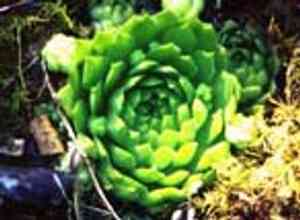
For optimal establishment of moss pygmyweed, transplant them during the revitalizing period of early to mid-spring. Select a location bathed in sunlight with soil that drains effectively. Handle their fragile root systems with care to improve their integration into the new environment.
What Preparations are Needed Before Transplanting Moss Pygmyweed?
What is the Ideal Time for Transplanting Moss Pygmyweed?
The optimal period for relocating moss pygmyweed spans from early spring to mid-spring. This timeframe offers mild temperatures and favorable soil conditions, providing moss pygmyweed with the best start in its new spot. Transplanting then allows moss pygmyweed roots to settle without harsh weather stress, leading to strong, healthy growth.
How Much Space Should You Leave Between Moss Pygmyweed Plants?
Before carefully placing your moss pygmyweed in their new home, ensure they have sufficient room! Position them approximately 6-8 inches (15-20 cm) apart. This 'personal space' allows them to flourish without competing for nutrients or sunlight.
What is the Best Soil Mix for Moss Pygmyweed Transplanting?
Preparing for moss pygmyweed's relocation? Aim for well-drained soil enriched with compost to provide a comfortable, nutrient-rich foundation. A light application of a balanced, slow-release fertilizer will jumpstart their development.
Where Should You Relocate Your Moss Pygmyweed?
Your moss pygmyweed thrives in bright sunshine, much like we enjoy a sunny beach! Select a sunny location in your garden where they can receive at least 6 hours of direct sunlight daily. This sun-drenched spot will help them prosper.
What Equipments Should You Prepare Before Transplantation Moss Pygmyweed?
Gardening Gloves
To safeguard your hands while handling soil and plants.
Spade or Shovel
To excavate around and beneath the plant for secure removal.
Garden Trowel
For precise soil manipulation and digging small holes.
Watering Can or Hose
For hydrating the plant before and after the transplanting process.
Pruning Shears
To trim any damaged roots or foliage if necessary.
Wheelbarrow or Plant Caddy
To move the plant from one spot to another without harm.
How Do You Remove Moss Pygmyweed from the Soil?
How Do You Remove Moss Pygmyweed from the Soil?
From Ground: Start by watering the moss pygmyweed to make the soil easier to manage. Use a spade or shovel to carefully dig around the plant, avoiding damage to the root system. Gently lift the plant from the ground, preserving as much of the root ball as possible.From Pot: Thoroughly water the moss pygmyweed. Turn the pot on its side, hold the plant by its base, and gently tap the pot's bottom to loosen the soil and roots. Carefully slide the plant out, supporting the root ball.From Seedling Tray: Ensure the soil is moist and gently push the seedling from beneath the tray or use a trowel to lift it out, maintaining the root structure and surrounding soil.
Step-by-Step Guide for Transplanting Moss Pygmyweed
Preparation
Gather all necessary tools and water the moss pygmyweed in its current spot to lessen transplant shock.
Removal
Depending on the moss pygmyweed's original location, follow the appropriate method to extract it from the ground, pot, or seedling tray while keeping the root ball intact.
Transport
Carefully move the moss pygmyweed to its new site, avoiding any rough handling or root breakage.
Planting Hole
Dig a hole in the prepared area that is twice the width of the root ball but no deeper, ensuring the moss pygmyweed is planted at its original depth.
Positioning
Place the moss pygmyweed in the hole and gently spread its roots. Backfill the hole with soil, lightly firming it to remove air pockets.
Watering
Water the newly planted moss pygmyweed generously to settle the soil around the roots and aid in recovery from transplant stress.
Observation
For the initial days, monitor the moss pygmyweed for signs of transplant shock and confirm its stability in the new location.
How Do You Care For Moss Pygmyweed After Transplanting?
Stabilization
Support the moss pygmyweed with stakes if it appears to lean or is unstable in its new environment.
Monitoring
Regularly check the plant for stress indicators, such as wilting or discolored leaves, and address them promptly.
Watering
Maintain consistent moisture for the moss pygmyweed to help roots establish without overwatering, which can cause root rot.
Protection
Shield the moss pygmyweed from potential threats like pests, diseases, or extreme weather as it recovers and grows.
Adjustments
Make any necessary changes to the plant's position to ensure its stability and growth, being gentle to prevent further stress.
Troubleshooting Common Issues with Moss Pygmyweed Transplantation.
When's the best time to transplant moss pygmyweed for optimal growth?
The ideal period is from early to mid-spring when conditions support vigorous growth.
How far apart should I plant moss pygmyweed for good development?
Aim for a spacing of about 6-8 inches (15-20 cm), providing ample room to flourish.
What type of soil is best for transplanting moss pygmyweed?
Choose well-draining soil rich in organic matter to ensure vitality.
How much should I water moss pygmyweed after transplanting?
Keep the soil consistently moist, but not waterlogged, adjusting for rainfall and temperature changes.
Why are my transplanted moss pygmyweed plants wilting?
Wilting can indicate water stress or root damage; ensure proper watering and gentle root handling.
Should I fertilize moss pygmyweed after transplanting and how often?
Fertilize lightly with a balanced product after establishment, then twice a year for better results.
How deep should I plant moss pygmyweed when transplanting?
The root ball should be level with the soil surface to encourage stable growth.
What should I do if moss pygmyweed transplants are not growing?
Check for adequate sunlight, proper watering, and potential pests, then adjust care as needed.
Can I transplant moss pygmyweed during summer or fall?
It's possible, but they establish best when moved during their ideal early to mid-spring period.
How do I protect transplanted moss pygmyweed in unexpected frost?
Cover with frost cloths or mulch to shield the delicate plants from frost damage.



