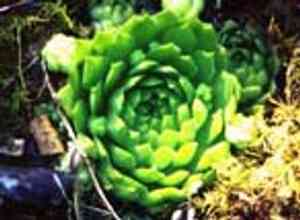
Moss pygmyweed (Crassula tillaea)
Also known as: Mossy tillaea
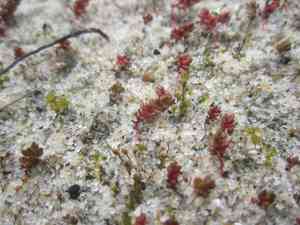
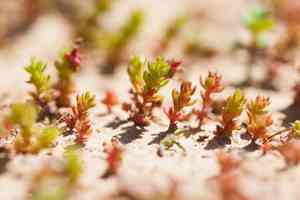
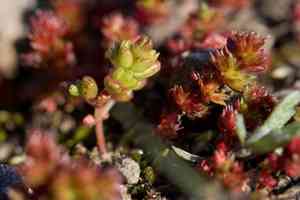
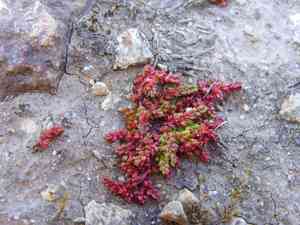
The succulent in question is *Crassula tillaea*, also known as moss pygmyweed. This tiny plant generally reaches only 2 to 3 cm in height. It has fleshy leaves that change color throughout the year and is often found in disturbed areas like car parks and caravan parks.
In This Article
Attributes of Moss pygmyweed
Lifespan
Annual
Plant Type
Herb
Plant Height
1 cm to 6 cm
Spread
N/A
Leaf Color
Green, turning reddish in sunlight
Flower Size
2 mm
Flower Color
Red Green
Images of Moss pygmyweed
Quickly Identify Moss pygmyweed
1
Look for small, red-tinged, fleshy leaves forming a dense mat. The leaves are usually tiny and can turn bright red in full sun. The plant is highly diminutive, typically only a few centimeters tall.
Scientific Classification of Moss pygmyweed
Phylum
Vascular plants
Class
Dicotyledons
Order
Saxifragales
Family
Stonecrop
Genus
Crassula
Species
Moss pygmyweed
Planting and Growing of Moss pygmyweed
Care Difficulty
Easy
Watering Schedule
Every day
Sunlight Requirements
Full sun
Sunshine Duration
4-6 hours
Ideal Temperature
65-75℉
Soil Type
Potting Mix, Peat Mix
Soil pH
6.5-7.5
Fertilizer Type
Balanced
Pruning Season
Spring, Summer
Pruning Area
Branches, Leaves
Pruning Frequency
Once a year
Repotting Season
Spring
Pot Type
Plastic, Ceramic
 How to Water Moss pygmyweed?
Crassula tillaea requires a moderate amount of water, approximately 15 ml per watering session. The key is to soak the soil uniformly without leaving puddles. This amount keeps the plant hydrated without risking root rot.
What are the symptoms of an underwatered Moss pygmyweed?
›
What should I do if my Moss pygmyweed is not getting enough water?
›
What are the symptoms of an overwatered Moss pygmyweed?
›
How to save an overwatered Moss pygmyweed?
›
 What Are the Sunlight Requirements for Moss pygmyweed?
This plant thrives best in partial to full sun conditions. Ideal lighting fosters compact bushy growth and vibrant colors, making it both healthy and aesthetically pleasing.
Optimal Light Exposure
›
Achieving Ideal Light
›
Benefits of Ideal Lighting
›
 What Is the Ideal Temperature Range for Moss pygmyweed?
The ideal temperature range for growing Crassula tillaea should be between 65 and 75 degrees Fahrenheit. This succulent prefers a warm environment that mimics its natural habitat, enabling it to maintain healthy growth and avoid stress. Temperatures outside of this range may cause growth to slow or predispose the plant to potential ailments.
 What Soil is Best for Moss pygmyweed?
Crassula tillaea thrives in well-draining soils because they prevent root rot by allowing excess water to flow away. This is crucial for succulents that store water in their leaves and stems. Although not too demanding, Crassula tillaea benefits from soils with moderate organic content, supporting balanced growth and vibrant foliage without over-fertilization. Maintaining soil pH between 6.5 and 7.5 is ideal, helping Crassula tillaea absorb necessary nutrients effectively while avoiding nutrient lockup.
 How to Fertilize Moss pygmyweed?
Crassula tillaea is a small succulent that requires minimal fertilization due to its ability to thrive in nutrient-poor conditions. When fertilizing, a diluted liquid fertilizer at one-quarter strength is sufficient to provide necessary nutrients without overwhelming the plant. A small spoonful of slow-release fertilizer per plant is ideal, applied sparingly.
 How to Prune Moss pygmyweed?
Before you start pruning, make sure your cutting tools are sharp and sterilized. This reduces the risk of infection to the plant. Use clean scissors or pruning shears to make precise cuts, which will help in minimizing damage to the plant. Start by identifying any old, yellowing, or damaged leaves. Remove these leaves by snipping them close to the main stem without harming the healthy parts of the plant. This ensures that the plant's energy is redirected to the healthier sections. Trim any overgrowing stems that disrupt the plant's symmetry. Focus on shaping the plant so that sunlight can reach deeper areas, promoting even growth throughout. Make precise cuts to encourage new growth points. After pruning, give Crassula tillaea a little time to recover before watering. Observe the plant over the next week to ensure there's no undue stress or damage. Adjust care routines if necessary to support regrowth.
More About Pruning Techniques→
 How to Propagate Moss pygmyweed plant?
1
Prepare a well-draining soil mix suitable for succulents. Ensure the mix has adequate sand or perlite to prevent waterlogging, which can cause root rot, especially during the initial planting phase.
2
Sprinkle the seeds evenly on the surface of the soil and lightly press them in but do not cover them completely as they need light to germinate. Keep the soil consistently moist but not waterlogged to encourage germination.
3
Take a healthy cutting using a sharp knife. Allow the cutting to dry and callous over a few days to prevent rot. Plant the dried cutting into prepared soil, ensuring it's steady and upright.
 How to Repot Moss pygmyweed plant?
1
Crassula tillaea signals a need for repotting when you notice slowed growth or root-bound conditions indicated by roots growing out of drainage holes. Repotting during its growth phases in spring or autumn ensures minimal stress on the plant.
2
Select a pot just slightly larger than the existing one, ensuring it has good drainage holes. The ideal material is terracotta, which facilitates healthy air flow and prevents waterlogging, thus preventing root rot while encouraging vigorous growth.
3
Opt for a well-draining sandy soil mix, preferably a cactus or succulent blend. This mix is ideal for Crassula tillaea since it prevents water from pooling at the roots, reducing the risk of rot and disease.



