How to Transplant Red bloodwood?
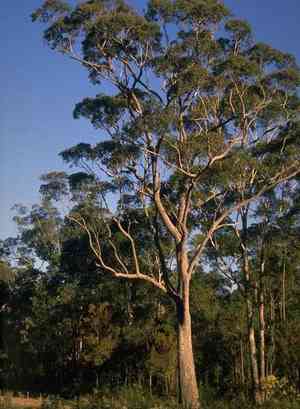
The most favorable time for relocating red bloodwood is between mid-spring and early summer, as the ground is warm and damp, which encourages root development. Select a bright spot with soil that drains effectively. Verify that the chosen area offers protection from powerful gusts to assist the plant in adapting.
What Preparations are Needed Before Transplanting Red Bloodwood?
What is the Ideal Time for Transplanting Red Bloodwood?
Red bloodwood flourishes when moved from late spring to early summer, as ground warmth and weather conditions are perfect for root establishment. Relocating during this period guarantees vigorous development and lessens transplant shock. This timing also aligns with the plant's natural growth cycle, maximizing its perennial advantages.
How Much Space Should You Leave Between Red Bloodwood Plants?
When relocating red bloodwood, ensure to position the plants 15-20 feet (4.5-6 meters) apart. This provides ample room for them to develop healthily without overcrowding.
What is the Best Soil Mix for Red Bloodwood Transplanting?
For red bloodwood, prepare well-draining, sandy or loamy soil. Incorporating a base fertilizer such as a slow-release, balanced organic fertilizer will help the plant achieve a strong start.
Where Should You Relocate Your Red Bloodwood?
Place red bloodwood in a spot where it receives full sun, ideally a minimum of 6-8 hours of direct sunlight daily. This promotes robust growth and vibrant foliage.
What Equipments Should You Prepare Before Transplantation Red Bloodwood?
Gardening Gloves
To safeguard your hands while handling soil and plants.
Shovel or Spade
For excavating the planting site and lifting the plant from its initial spot.
Watering Can or Hose
To hydrate the plant before and after relocation.
Wheelbarrow or Tarp
To move the plant if required.
Mulch
To aid in moisture retention and soil temperature regulation post-transplant.
Stakes and Ties
To support the plant if it is tall or prone to falling over.
How Do You Remove Red Bloodwood from the Soil?
How Do You Remove Red Bloodwood from the Soil?
From Ground: First, irrigate the red bloodwood plant to moisten the soil. Then, dig a wide trench around the plant using a shovel or spade, ensuring the plant's root ball remains intact. Carefully work the spade beneath the root ball to lift the plant from its original location.From Pot: Water the red bloodwood plant to dampen the soil, making removal easier. Gently tap around the pot to loosen the soil, then tilt the pot and carefully slide the plant out, supporting the root ball as you do.From Seedling Tray: Water the seedlings thoroughly before removal. Use a small tool or your fingers to carefully lift the red bloodwood seedlings from the tray, ensuring you do not harm the delicate roots.
Step-by-Step Guide for Transplanting Red Bloodwood
Preparing the Site
Excavate a hole in the new planting spot that is twice as wide and equal in depth to the red bloodwood plant's root ball. Loosen the soil at the bottom of the hole to encourage root development.
Removing the Plant
Carefully extract the red bloodwood plant from its initial position using the appropriate method from the removal process section.
Positioning the Plant
Place the red bloodwood plant in the new hole, ensuring it is at the same depth it was previously growing. Adjust the plant's position so that it stands upright.
Filling the Hole
Backfill the hole with soil, gently compacting it around the root ball to eliminate air pockets. Avoid pressing the soil down too firmly.
Watering
Water the red bloodwood plant thoroughly after transplanting to settle the soil around the roots. Ensure the water penetrates deep into the soil.
How Do You Care For Red Bloodwood After Transplanting?
Watering
Keep the soil around the red bloodwood consistently moist, but not waterlogged, for the initial weeks after transplanting to aid in establishing strong roots.
Mulching
Apply a 2-3 inch layer of mulch around the base of the plant to help retain moisture and regulate soil temperature.
Staking
If the plant is tall or has a weak stem, use stakes and ties to provide support until it is well established.
Monitoring
Regularly inspect the red bloodwood plant for indications of transplant shock, such as wilting or yellowing leaves, and provide additional shade or water as necessary.
Troubleshooting Common Issues with Red Bloodwood Transplantation.
When is the best time to transplant red bloodwood?
The optimal period to transplant red bloodwood is from mid-spring to early summer for peak growth.
How far apart should I space red bloodwood plants?
Space each red bloodwood plant 15-20 feet (4.5-6 meters) apart to ensure proper development.
What soil conditions are ideal for transplanting red bloodwood?
Red bloodwood prefers well-draining, sandy loam soil with a slightly acidic to neutral pH.
Should I water red bloodwood immediately after transplanting?
Yes, thoroughly water red bloodwood right after transplanting to help settle the soil around the roots.
How deep should I plant red bloodwood?
Plant red bloodwood at the same depth it was growing previously to avoid stress.
What is the ideal temperature range for transplanting red bloodwood?
Transplanting red bloodwood is best done when temperatures are between 60-75°F (15-24°C).
How can I minimize transplant shock for red bloodwood?
Minimize transplant shock by keeping the roots moist and avoiding root damage during transplant.
Is mulching necessary after transplanting red bloodwood?
Yes, mulching around red bloodwood helps retain soil moisture and regulate temperature.
How much sunlight does red bloodwood need after transplanting?
Red bloodwood thrives in full sun with at least 6 hours of direct sunlight daily.
What should I do if red bloodwood shows signs of wilting after transplanting?
Ensure adequate watering and check for proper soil drainage to prevent root rot.



