How to Transplant Doubtful knight's spur?
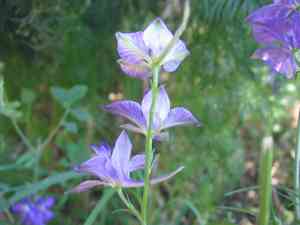
The ideal period for relocating doubtful knight's spur is from the end of spring into the beginning of summer, which guarantees peak development. Select a location bathed in sunlight that offers effective water runoff. Should it be necessary, slowly introduce doubtful knight's spur to external environments to lessen stress.
Essential Preparations Before Relocating Doubtful Knight's Spur
Optimal Period for Moving Doubtful Knight's Spur?
The best time to move doubtful knight's spur is from late spring to early summer. This timeframe provides a warm, stable environment vital for root establishment. Transplanting doubtful knight's spur then ensures vigorous growth, aligning with its natural cycle. During this season, soil temperatures are favorable for root development, and frost risk has passed, minimizing transplant shock. Mild weather conditions at this time aid recovery and adaptation, promoting a healthy display.
Recommended Spacing Between Doubtful Knight's Spur Plants?
When relocating doubtful knight's spur, allow ample room for each plant to develop. A good guideline is to position them approximately 1-2 feet (30-60 cm) apart. This ensures sufficient space for expansion without overcrowding.
Ideal Soil Blend for Doubtful Knight's Spur Relocation?
Prepare the transplanting site for doubtful knight's spur by selecting well-draining soil. Incorporate a base fertilizer rich in organic matter to provide young plants with a strong foundation for growth. A slow-release granular fertilizer is most effective for this purpose.
Optimal New Location for Your Doubtful Knight's Spur?
Choose a spot with at least full to partial sun exposure for doubtful knight's spur. This annual plant thrives in sunny locations that receive a minimum of 6 hours of direct sunlight daily.
Tools Required Before Transplanting Doubtful Knight's Spur?
Trowel
For excavating a hole in the new planting area and extracting the doubtful knight's spur from its current container or spot.
Gardening Gloves
To safeguard your hands while handling soil and the plant.
Garden Hose or Watering Can
To irrigate the plant in its new position.
Compost
To supply essential nutrients to the doubtful knight's spur post-transplantation.
How to Extract Doubtful Knight's Spur from the Ground?
How to Extract Doubtful Knight's Spur from the Ground?
From Ground: First, moisten the doubtful knight's spur plant to soften the soil, facilitating removal. Carefully begin digging a wide circle around the plant with your trowel, taking care not to harm any roots. Gently work your way beneath the root ball and lift the plant.From Pot: Water your doubtful knight's spur plant thoroughly before starting the transplant process. Invert the container while supporting the soil and the plant's base with your hand. Gently tap the pot's bottom until the plant and soil slide out.From Seedling Tray: Use a pencil or small implement to push up from the bottom of the hole to carefully remove the doubtful knight's spur seedlings. Be cautious not to damage the stem or roots.
Detailed Steps for Transplanting Doubtful Knight's Spur
Excavating the Hole
Dig a hole that is twice as wide and the same depth as the root ball of your doubtful knight's spur plant. This will provide ample space for the roots to spread.
Plant Preparation
Before placing the plant in the hole, gently separate any matted roots. This will encourage them to expand into the new soil.
Placement
Position the doubtful knight's spur in the center of the hole. The top of its root ball should be level with the surrounding ground. Backfill the hole, gently firming the soil as you proceed.
Hydration
Once the plant is securely in place, water it thoroughly. This helps settle the soil and rehydrates the plant after the move.
Post-Transplant Care for Doubtful Knight's Spur
Moisture
The doubtful knight's spur prefers moist but not waterlogged soil. For the initial few weeks, ensure the soil remains consistently damp to aid in strong root establishment. Water regularly during dry spells.
Mulch
Apply a layer of mulch around the doubtful knight's spur to retain moisture and suppress weeds. Avoid piling it against the stem to prevent rot.
Protection
If your area experiences significant wind or sun, consider providing a windbreak or shade cover to safeguard your newly transplanted doubtful knight's spur plant.
Pruning
Light pruning may help the plant direct its energy towards developing its root system rather than flowering or fruiting, if applicable.
Resolving Common Issues with Doubtful Knight's Spur Transplantation.
When is the best time to transplant doubtful knight's spur?
The ideal period to relocate doubtful knight's spur is typically from late summer to early fall (Season 3 to Season 4).
How much space is needed for transplanting doubtful knight's spur?
Doubtful knight's spur requires ample room to flourish. The optimal distance between each plant should ideally be around 1-2 feet (30-60 cm).
What steps should I take to prepare the soil before transplanting doubtful knight's spur?
To prepare the soil, first, clear any weeds or grass from the area. Then, enrich the soil with organic matter. Ensure the soil's pH is between 6.0-7.0.
What's the ideal depth for transplanting doubtful knight's spur?
When transplanting doubtful knight's spur, the hole should be roughly the same depth as the root ball, approximately 10 inches (25 cm) deep.
Why do the leaves of my transplanted doubtful knight's spur appear wilted?
Wilted leaves might indicate transplant shock. Keep the soil moist (but not saturated) and avoid exposing the plant to direct sunlight for a few days.
Should I water doubtful knight's spur before or after transplanting?
Water doubtful knight's spur thoroughly a few hours prior to transplanting. After replanting, water gently around the base to help settle the soil around the roots.
What if doubtful knight's spur is not blooming after the transplant?
If doubtful knight's spur isn't blooming, try adding a phosphorus-rich fertilizer to encourage flowering. Also, ensure the plant receives sufficient sunlight, generally about 6 hours daily.
What measures should be taken to protect transplanted doubtful knight's spur during frost?
Doubtful knight's spur is frost-tolerant, but newly transplanted specimens might need protection. Use a frost cloth or an old blanket to cover plants when frost is anticipated.
My transplanted doubtful knight's spur is falling over. What went wrong?
Doubtful knight's spur may not have been planted deeply enough, or the soil could be too loose. Additionally, ensure it's not exposed to strong winds.
The leaves of my transplanted doubtful knight's spur have turned yellow. What could be the cause?
Yellow leaves can signal overwatering. Allow the soil to dry out between waterings, ensuring proper drainage, to prevent this issue.



