How to Transplant White mouth dayflower?
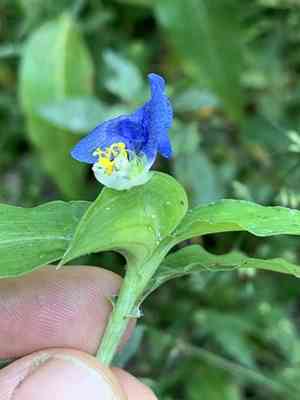
Spring offers the best period for transplanting white mouth dayflower, fostering vigorous development. Select a location providing dappled sunlight and soil that drains effectively. Should moving the plant be necessary, ensure the root system remains intact for smooth adaptation.
What Preparations are Needed Before Transplanting White Mouth Dayflower?
What is the Ideal Time for Transplanting White Mouth Dayflower?
The optimal period for relocating white mouth dayflower is during the spring awakening, as mild temperatures encourage strong root development. Choosing this season ensures your white mouth dayflower adapts smoothly to nature's rhythms, leading to vigorous growth and improved stability. A helpful hint: this timing aligns perfectly with white mouth dayflower's natural cycle of renewal, promoting a successful transition and vibrant beauty in your garden.
How Much Space Should You Leave Between White Mouth Dayflower Plants?
Before you begin moving white mouth dayflower, allocate sufficient room for each specimen. Due to their spreading nature, white mouth dayflower need a spacing of 1-2 feet (30-60 cm). This guarantees ample area for expansion and access to resources.
What is the Best Soil Mix for White Mouth Dayflower Transplanting?
The appropriate soil for white mouth dayflower should drain well and be rich in organic matter. Prepare the planting site by mixing generous amounts of compost or other organic material into the existing earth. A good foundational fertilizer, such as an all-purpose slow-release type, also aids in giving white mouth dayflower an excellent start.
Where Should You Relocate Your White Mouth Dayflower?
White mouth dayflower prefers a spot that receives full sun to partial shade. Therefore, select an area in your garden where it gets at least 6 hours of sunlight daily. However, they can also endure some shade if necessary.
What Equipments Should You Prepare Before Transplantation White Mouth Dayflower?
Gardening Gloves
To safeguard your hands during the process of handling and relocating white mouth dayflower.
Shovel or Spade
Crucial for extracting the plant from its original spot, assuming it's in the ground.
Pot or Seedling Tray Removal Tool
If the white mouth dayflower plant is in a container or seedling tray, this implement can simplify the extraction process.
Gardening Trowel
Useful for creating the planting hole at the new location.
Watering Can
Needed for hydrating the plant both before and after transplantation.
How Do You Remove White Mouth Dayflower from the Soil?
How Do You Remove White Mouth Dayflower from the Soil?
From Ground: Start by moistening the white mouth dayflower plant until the soil is damp but not waterlogged. Next, using the shovel or spade, dig a wide circle around the plant, ensuring the root ball remains intact. Always aim to dig deep enough to preserve as many roots as possible. Once completed, carefully lift the plant upwards with the shovel.From Pot: Again, water the white mouth dayflower plant in the pot until the soil is moist. Then, gently tap the sides of the pot to loosen the soil and roots. Tilt the pot sideways and carefully pull the plant out, making sure to hold it at the root level.Seedling Tray: Seedlings should also be watered until the soil is damp. Using a seedling tray removal tool or a kitchen spoon, carefully scoop out the white mouth dayflower plants, ensuring to retrieve as much of the root system as possible.
Step-by-Step Guide for Transplanting White Mouth Dayflower
Preparation
Once the white mouth dayflower plant has been taken from its initial spot, prepare a hole at the new location using a gardening trowel. The hole should be twice the width of the root ball and the same depth as its current planting depth.
Placing the Plant
Lower the white mouth dayflower plant into the planting hole, positioning it at the identical depth it was growing in its original location. The top of the root ball should be level with the ground surface.
Backfilling
Scoop the excavated soil back around the plant, filling the void around the root ball. Gently pat the soil to eliminate air pockets. Do not step on the soil as this could lead to compaction.
Watering
Utilize a watering can to thoroughly hydrate the plant. Allow water to absorb, then water once more to ensure the roots are completely moistened.
How Do You Care For White Mouth Dayflower After Transplanting?
Monitoring
Observe the white mouth dayflower plant for a few weeks. Check the plant daily to confirm it's not wilting or showing signs of distress.
Watering
For the initial week after transplanting, maintain consistently moist soil. Afterward, you can reduce watering and adjust to the plant's regular watering schedule.
Foliage Care
Upon noticing any yellow or withered leaves, gently prune them from the white mouth dayflower plant as this helps direct nutrient supply to healthy leaves.
Troubleshooting Common Issues with White Mouth Dayflower Transplantation.
When is the best time to transplant white mouth dayflower?
The optimal period to relocate white mouth dayflower falls between the first and third season (S1-S3). This promotes root growth and helps white mouth dayflower thrive.
What is the perfect gap for planting white mouth dayflower specimens?
Ensure to maintain a space of 1-2 feet (30.5-61 cm) between each white mouth dayflower. This allows for adequate light, water, and nutrient distribution.
Why is my transplanted white mouth dayflower wilting?
Wilting may be due to insufficient watering or transplant shock. Always water the white mouth dayflower thoroughly after transplanting and avoid direct sunlight for a few days.
Is there a particular soil type suited for white mouth dayflower transplantation?
White mouth dayflower prefers well-draining soil, such as loamy or sandy types. Avoid clay soils as they retain too much water and could lead to root rot.
Do I need to prune white mouth dayflower before transplanting?
Yes, prune before transplanting. Removing about 1/3 of the plant helps to reduce transplant shock.
Why are the leaves of my transplanted white mouth dayflower turning yellow?
Yellow leaves could indicate over-watering, poor drainage, or lack of nutrients. Examine your watering practices and soil conditions; you might need to add compost.
How deep should I plant the transplanted white mouth dayflower?
The white mouth dayflower should be planted at the same depth as it was in its previous location. This helps to prevent root exposure and promote growth.
Do I need to water white mouth dayflower immediately after transplanting?
Absolutely! Immediately after transplanting, water white mouth dayflower thoroughly. This helps to settle the soil around roots and minimizes shock.
How much sunlight does a transplanted white mouth dayflower require?
White mouth dayflower thrives in full sun to partial shade. 6 to 8 hours of daily sunlight is ideal. Too much shade may hinder its growth and flowering.
My transplanted white mouth dayflower isn't blooming. What could be wrong?
This could be due to insufficient light, nutrient deficiency, or inadequate watering. Ensure your white mouth dayflower gets the right conditions for it to bloom beautifully.



