How to Transplant Moss grass?
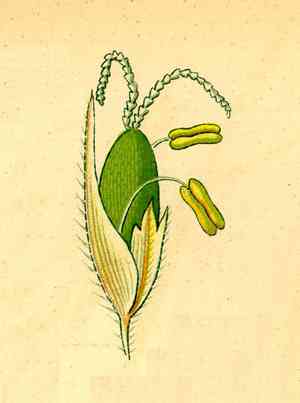
Moss grass flourishes most effectively when relocated in the mild temperatures of early spring. Select damp, adequately drained spots that receive partial sunlight. Verify that the chosen site is protected from strong gusts. Early spring facilitates superior root development and robust proliferation.
What Preparations are Needed Before Transplanting Moss Grass?
What is the Ideal Time for Transplanting Moss Grass?
Moss grass, an annual plant, greatly benefits from being moved during early spring. This timing ensures optimal soil moisture, rising temperatures, and increased sunlight, all of which encourage strong root development and growth. Transplanting in early spring minimizes shock and prepares moss grass for a successful growing season.
How Much Space Should You Leave Between Moss Grass Plants?
When transplanting moss grass, aim to position each plant approximately 3-6 inches (7.5-15 cm) apart. This spacing provides ample room for roots to expand and for plants to thrive without becoming overcrowded.
What is the Best Soil Mix for Moss Grass Transplanting?
Utilize well-draining loamy soil for moss grass. Prepare the soil by incorporating a balanced, all-purpose fertilizer to enrich it and support the plantâs initial growth. Good compost or a slow-release granular fertilizer works effectively.
Where Should You Relocate Your Moss Grass?
Select a location that receives partial to full sunlight for transplanting moss grass. This plant enjoys abundant light, so ensure it gets at least 4-6 hours of direct sunlight daily.
What Equipments Should You Prepare Before Transplantation Moss Grass?
Gardening Gloves
To protect your hands while handling soil and plants.
Hand Trowel
To carefully excavate the plant without harming its roots.
Shovel or Spade
For digging larger holes in the ground.
Watering Can or Hose
To hydrate the plant and moisten the soil.
Wheelbarrow
To move the plant, especially if it is large or heavy.
Organic Mulch
To help retain moisture around the newly planted specimen.
How Do You Remove Moss Grass from the Soil?
How Do You Remove Moss Grass from the Soil?
From Ground: First, water the moss grass plant to moisten the soil. Then, dig a wide trench around the plant using a shovel or spade, ensuring the plant's root ball remains intact. Carefully work the spade under the root ball to lift the plant from its original location.From Pot: Gently water the moss grass plant in its pot to soften the soil. Hold the base of the plant while tipping the pot slightly, allowing the plant to slide out. If it resists, tap the pot edges lightly or squeeze the pot to loosen.From Seedling Tray: Water the seedlings to prevent damage to the roots. Use a hand trowel or your fingers to carefully lift each seedling from the tray, holding the plant by the leaves to avoid injury to the delicate stem.
Step-by-Step Guide for Transplanting Moss Grass
Prepare Hole
Dig a hole at your chosen site that is twice as wide and equal in depth to the moss grass plant's root ball.
Soil Enhancement
Mix the existing soil with compost to improve nutrient availability.
Plant Placement
Position the moss grass plant in the hole, ensuring the top of the root ball is level with the surrounding ground.
Backfilling
Fill the hole with the mixed soil, gently firming it around the plant roots.
Watering
Thoroughly water the transplanted moss grass plant to help settle the soil and remove air pockets.
Mulching
Apply a layer of organic mulch around the plant's base, keeping it clear of the stem to prevent rot.
How Do You Care For Moss Grass After Transplanting?
Watering
Keep the soil around the moss grass consistently moist, but not waterlogged, for the initial weeks after transplanting to aid in root establishment.
Monitoring
Observe for signs of transplant shock, such as wilting or yellowing leaves, and provide additional water if necessary.
Weed Control
Regularly remove weeds from around the moss grass's base to reduce competition for nutrients and water.
Protection
Consider using a light shade cloth if the weather is particularly hot or if the moss grass appears stressed.
Troubleshooting Common Issues with Moss Grass Transplantation.
What's the best season to transplant moss grass?
The optimal time to transplant moss grass is early spring for ideal growth and establishment.
How should I prepare the soil for moss grass?
Ensure the soil is well-drained and slightly damp to support healthy root development.
What spacing is ideal for transplanting moss grass?
Space moss grass plants approximately 3-6 inches (7.5-15 cm) apart for proper air circulation and growth.
How deep should I plant moss grass transplants?
Place moss grass transplants at the same depth they were growing in their original container.
How can I prevent transplant shock for moss grass?
Water thoroughly and mulch around the base to retain moisture and reduce stress.
When should I water moss grass after transplanting?
Water immediately after transplanting, then keep the soil consistently moist but not waterlogged.
What type of fertilizer is best for moss grass after transplanting?
Use a balanced, water-soluble fertilizer to promote healthy root and foliage growth.
How do I handle root-bound moss grass transplants?
Gently tease apart the roots if they're tangled to encourage them to spread in the soil.
Can I transplant moss grass in full sun?
Yes, moss grass thrives in full sun but can also tolerate partial shade.
What should I do if moss grass wilts after transplanting?
Ensure adequate watering and provide shade temporarily if the weather is too hot.



