
Moss grass (Coleanthus subtilis)
Also known as: Mudgrass
Coleanthus subtilis, the sole species of its genus, has a sporadic distribution. It thrives in wet environments such as lakeshores and streambanks. This grass is found in central Europe, including France, Germany, and the Czech Republic, though it is now extinct in Norway and Italy. Additionally, it is present in parts of Asia, including Western Siberia, Khabarovsk, and eastern China, and has also been identified in northwestern North America, specifically in Oregon, Washington, and British Columbia.
In This Article
Attributes of Moss grass
Lifespan
Annual
Plant Type
Grass
Plant Height
3-5 cm
Spread
Not Applicable (herbaceous Plant)
Leaf Color
Green
Flower Size
1-2 mm
Flower Color
Green
Images of Moss grass
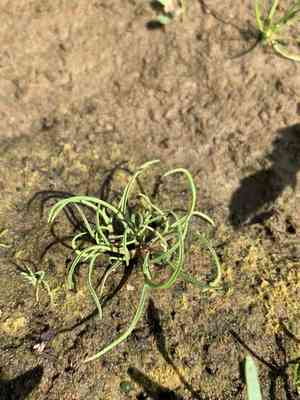
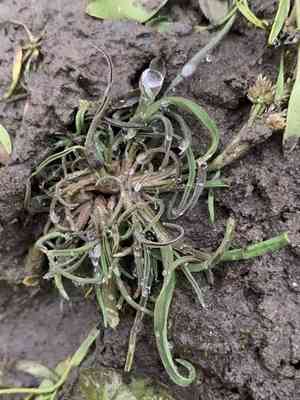
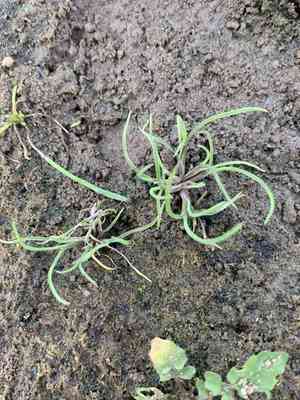
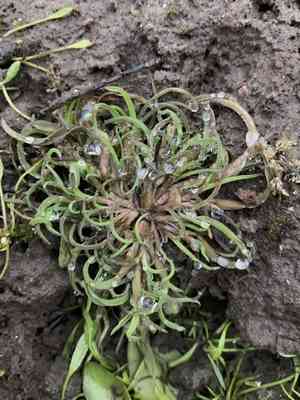
Quickly Identify Moss grass
1
Coleanthus subtilis can be identified by its tiny size, sparse tufts, and diminutive, delicate spikelets. The plant often forms a small, compact cluster and has thin, wiry stems.
Scientific Classification of Moss grass
Phylum
Vascular plants
Class
Monocotyledons
Order
Poales
Family
Grass
Genus
Mossgrass
Species
Moss grass
Planting and Growing of Moss grass
Care Difficulty
Hard
Watering Schedule
Every 2 days
Sunlight Requirements
Partial sun
Sunshine Duration
6-10 hours
Ideal Temperature
59-68℉
Soil Type
Potting Mix, Peat Mix
Soil pH
6.5-7.5
Fertilizer Type
Balanced
Pruning Season
Spring, Summer
Pruning Area
Branches, Leaves
Pruning Frequency
2 times a year
Repotting Season
Spring
Pot Type
Plastic, Terracotta
 How to Water Moss grass?
Coleanthus subtilis prefers a moderate amount of water where the soil is kept moist but not soggy. When watering, aim for about 100 ml, ensuring the top layer of soil is dampened effectively. This allows for sufficient moisture without creating waterlogged conditions, which are detrimental to its growth.
What are the symptoms of an underwatered Moss grass?
›
What should I do if my Moss grass is not getting enough water?
›
What are the symptoms of an overwatered Moss grass?
›
How to save an overwatered Moss grass?
›
 What Are the Sunlight Requirements for Moss grass?
Partial sun exposure suits Coleanthus subtilis well, fostering optimal photosynthetic activity while protecting from sunburn. Ideal light encourages resilient foliage and a sustainable growth pattern.
Preferred Light Intensity
›
Adaptive Shading Solutions
›
Benefits of Optimal Lighting
›
 What Is the Ideal Temperature Range for Moss grass?
For optimal growth, Coleanthus subtilis thrives best in temperatures ranging from 59°F to 68°F. This temperature range ensures that the plant receives the necessary warmth to facilitate proper metabolic processes, such as photosynthesis and nutrient absorption, while avoiding stress from excessive heat.
 What Soil is Best for Moss grass?
Coleanthus subtilis thrives best in soil that maintains adequate moisture without becoming waterlogged. Ensuring just the right balance boosts its growth and enhances its delicate beauty, offering a more vibrant display of its light, feathery texture. The plant flourishes in nutrient-rich soils that provide essential minerals. A well-fed Coleanthus subtilis showcases deeper green hues and more robust growth, making it a captivating centerpiece in gardens and natural settings. Although it needs to retain moisture, the soil should also offer good drainage to prevent root rot. This is crucial for maintaining healthy roots and supporting the plant's slender, yet sturdy stems.
 How to Fertilize Moss grass?
Coleanthus subtilis requires a balanced approach to fertilization. For liquid fertilizers, apply approximately 1/4 strength of a balanced plant food; this means if the label suggests 1 teaspoon per gallon, only use 1/4 teaspoon. For slow-release fertilizers, use around 1-2 grams per plant depending on soil fertility and age of the plant to avoid over-fertilization.
 How to Prune Moss grass?
Use a pair of clean, sharp scissors or pruning shears for trimming. Ensure that your tools are sanitized before use to prevent the spread of diseases. When cutting, aim to trim back to a node or a lateral shoot, which helps in promoting new growth. Begin by identifying any dead, discolored, or damaged leaves and stems, removing them first. Next, look for overcrowded areas and trim selectively to improve air circulation. Always cut at a 45-degree angle to encourage water runoff and prevent rot. Follow the natural shape of the plant for a tidy appearance.
More About Pruning Techniques→
 How to Propagate Moss grass plant?
1
Fill the seed tray with a fine potting mix, ensuring a uniform surface for sowing. Ensure that the potting mix is moistened beforehand to improve seed-soil contact.
2
Scatter the Coleanthus subtilis seeds evenly across the surface of the potting mix. Lightly press the seeds into the soil but avoid burying them too deep as they require light for germination.
3
Cover the seed tray with a transparent lid or plastic wrap to retain humidity and warmth, which are crucial for quick and effective germination. Place the tray in a warm, well-lit area.
 How to Repot Moss grass plant?
1
Coleanthus subtilis shows readiness for repotting when you observe its roots are densely packed and circling inside the pot or when its growth noticeably slows despite healthy conditions. The best time to repot this delicate grass is during its active growth in Spring or early Summer when it can quickly adapt to new soil.
2
Opt for a pot that is one size larger than the current one to allow room for growth without overwhelming the plant. The pot should have drainage holes to prevent waterlogging, ensuring that Coleanthus subtilis's roots stay healthy by enabling excess water to escape easily.
3
Select a loamy, well-draining soil mix that mimics its natural habitat. This type of soil allows air circulation around the roots and provides the perfect balance of water retention and drainage, crucial for fostering healthy root development and preventing rot.



