How to Transplant Flaming glory bower?
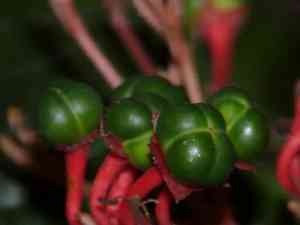
The most favorable period for relocating flaming glory bower is at the onset of spring's revival, usually from early to mid-spring, allowing the root system to settle prior to the summer warmth. Select a site that receives ample sunlight to partial shade and possesses soil with good drainage. Careful manipulation facilitates an effortless adjustment.
What Preparations are Needed Before Transplanting Flaming Glory Bower?
What is the Ideal Time for Transplanting Flaming Glory Bower?
For flaming glory bower, the arrival of spring's gentle warmth marks the best time for relocation, ensuring delicate roots adjust without extreme temperature stress. Embracing this period of renewal promotes strong development, aligning with nature's reawakening. By moving it during this time, you give flaming glory bower a chance to settle in cooler conditions before summer's heat, setting the stage for a vibrant display.
How Much Space Should You Leave Between Flaming Glory Bower Plants?
When getting ready to move your flaming glory bower, plan to position each plant 3-4 feet (about 1-1.2 meters) apart. This will provide ample room for growth without competition for soil nutrients and sunlight.
What is the Best Soil Mix for Flaming Glory Bower Transplanting?
Your flaming glory bower would thrive in well-drained soil. Enrich it by mixing in organic compost. Applying a slow-release, granular all-purpose fertilizer at the plant's base before planting can supply essential nutrients.
Where Should You Relocate Your Flaming Glory Bower?
For your flaming glory bower, choose a spot that gets full to partial sun. Morning sun with afternoon shade is perfect. Remember, sufficient sunlight is crucial for a healthy plant.
What Equipments Should You Prepare Before Transplantation Flaming Glory Bower?
Gardening Gloves
To safeguard your hands while handling soil and flaming glory bower.
Trowel
A small hand tool utilized to dig, loosen earth, and extract the plant from its initial spot.
Spade
This is employed to excavate a hole at the new site. A larger one might be necessary for mature flaming glory bower plants.
Watering Can
To hydrate the plant post-transplant, ensuring it has adequate moisture to establish in its new location.
Garden Pruners
Use these to trim any damaged roots or excess branches that could hinder the flaming glory bower from effectively settling.
Garden Cart or wheelbarrow
For moving larger flaming glory bower plants, a cart will simplify the task and protect the root ball during relocation.
How Do You Remove Flaming Glory Bower from the Soil?
How Do You Remove Flaming Glory Bower from the Soil?
From Ground: First, water the flaming glory bower plant to slightly moisten the soil. This helps keep the root ball intact during removal. Use a spade or trowel to carefully dig around the plant, about a foot from the base to avoid root damage. Gently work your tool under the root ball to lift the flaming glory bower.From Pot: Similar to ground removal, watering the plant first will aid in extracting the flaming glory bower. Carefully turn the pot on its side or upside down, supporting the plant with your hand. If it doesn't slide out easily, tap the pot's sides and bottom to loosen it. Avoid pulling on stems or foliage, which could harm the plant.From Seedling Tray: Using a small tool, such as a pencil, push up from the drainage hole at the bottom of each cell. Hold the seedling by its leaves to prevent stem damage. If needed, gently separate the roots if they've grown together.
Step-by-Step Guide for Transplanting Flaming Glory Bower
Preparation
Ensure the new planting hole is twice as wide and the same depth as the flaming glory bower's root ball. This allows roots ample room to spread in their new setting. Position the plant in the hole, making sure the top of the root ball is level with or slightly below the surrounding soil.
Planting
Backfill the hole with soil, gently firming it around the root ball to ensure the flaming glory bower is stable. However, avoid compacting the soil too much as this can impede root expansion.
Watering
Water the flaming glory bower generously immediately after planting, ensuring the water reaches the root zone. This will help settle the soil around the roots.
Reassess
After watering, check the flaming glory bower's placement. If the root ball is not level or slightly below the surrounding soil, adjust by adding or removing soil as necessary.
How Do You Care For Flaming Glory Bower After Transplanting?
Watering
Keep the soil around the flaming glory bower consistently moist, but not waterlogged, for the initial weeks post-transplant. This aids the roots in establishing in their new environment.
Pruning
Remove any dead or dying parts from flaming glory bower plants after transplanting to help the plant direct its energy towards new growth.
Observation
Monitor your flaming glory bower after transplanting, looking for signs of shock such as leaf drop, wilting, or changes in leaf color. If you notice any of these, consider adjusting your care routine.
Protection
Consider providing temporary shade for flaming glory bower for a few days after transplanting, especially if the move occurred during hot weather. This can shield the plant from potential sun scald while it recovers.
Troubleshooting Common Issues with Flaming Glory Bower Transplantation.
When is the best time to transplant flaming glory bower?
The ideal season to relocate flaming glory bower is during S1-S2, when the plant is less active. This allows it sufficient time to establish before vigorous growth begins.
What's the perfect spacing for flaming glory bower while transplanting?
Flaming glory bower requires approximately 3-4 feet (90-120 cm) of space between each plant. Providing adequate room allows for proper growth and reduces disease transmission risk.
What steps do I need to follow to properly transplant flaming glory bower?
First, dig a hole twice as wide as the root ball. Place flaming glory bower in the hole ensuring the top of the root ball is flush with the soil surface. Backfill the hole and water thoroughly.
What soil requirements should I consider while transplanting flaming glory bower?
Flaming glory bower prefers soil that drains well. If your soil is heavy clay, consider enriching it with organic matter to improve drainage, or plant flaming glory bower in a raised bed.
How can I ensure flaming glory bower survives the transplant?
To help flaming glory bower survive the relocation, water it thoroughly and regularly. Also, using a starter fertilizer can supply it with necessary nutrients and encourage root development.
What care should I provide flaming glory bower right after transplanting?
After transplanting, keep the soil moist but not saturated. Consider giving flaming glory bower some shade for the initial few days to lessen transplant shock.
Can flaming glory bower be transplanted in a container?
Absolutely! Flaming glory bower can be cultivated in a pot. Select one that's twice the width of the root ball and offers excellent drainage. Don't forget to water consistently!
What should I do if the leaves of my transplanted flaming glory bower start yellowing?
Yellowing leaves post-transplant could indicate overwatering or a nutrient deficiency. Review your watering schedule and consider a balanced fertilizer to address potential nutrient issues.
What should I do if the transplanted flaming glory bower doesn't show new growth?
Don't worry! It's normal for flaming glory bower to develop its root system before showing new foliage. Continue providing good care and be patient.
How deep should I dig the hole for transplanting flaming glory bower?
Excavate a hole twice as wide and the same depth as the root ball. Planting the specimen too deeply can lead to root problems, so exercise caution!



