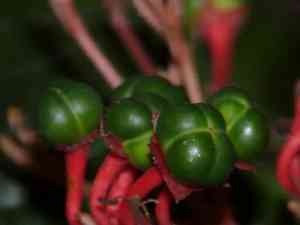
Flaming glory bower (Clerodendrum speciosissimum)
Also known as: Java glorybower
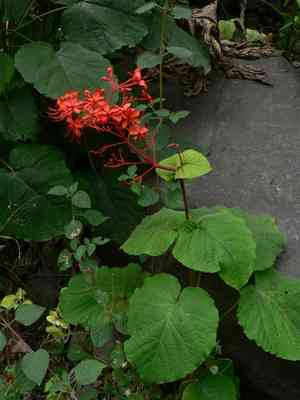
The flaming glory bower, known for its vivid scarlet flowers, is believed to originate from tropical West Africa. However, its current widespread distribution has led to some debate about its true native range. Often regarded as an invasive species, this plant provides a popular nectar source for butterflies.
In This Article
Attributes of Flaming glory bower
Lifespan
Perennial
Plant Type
Tree, Shrub
Plant Height
1.2 m to 2.5 m
Spread
90 cm to 1.2 m
Leaf Color
Green
Flower Size
2.5 cm to 5 cm
Flower Color
Red Orange
Images of Flaming glory bower
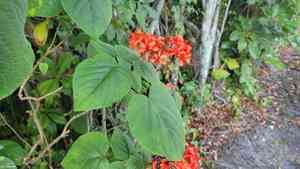
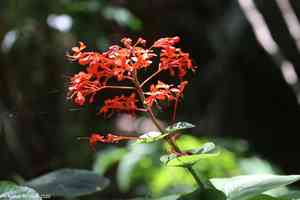
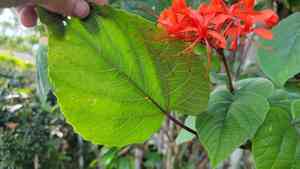
Quickly Identify Flaming glory bower
1
To identify Clerodendrum speciosissimum, look for its bright red, tubular, and clustered flowers along with large, heart-shaped leaves. The plant has a shrubby habit and can grow quite vigorously.
Scientific Classification of Flaming glory bower
Phylum
Vascular plants
Class
Dicotyledons
Order
Lamiales
Family
Mint
Genus
Glorybowers
Species
Flaming glory bower
Planting and Growing of Flaming glory bower
Care Difficulty
Easy
Watering Schedule
Every 3 days
Sunlight Requirements
Partial sun
Sunshine Duration
8-12 hours
Ideal Temperature
65-75℉
Soil Type
Potting Mix, Peat Mix
Soil pH
6.5-7.5
Fertilizer Type
Balanced
Pruning Season
Spring, Summer
Pruning Area
Branches, Leaves
Pruning Frequency
2 times a year
Repotting Season
Spring
Pot Type
Plastic, Ceramic
 How to Water Flaming glory bower?
Clerodendrum speciosissimum prefers consistently moist soil, but not waterlogged. When watering, it's crucial to ensure that the top 2 inches of soil are moist. This typically requires about 300 ml of water, depending on plant size and environmental conditions. Use this as a base guide, adjusting slightly if you notice water pooling or the soil drying out too quickly.
What are the symptoms of an underwatered Flaming glory bower?
›
What should I do if my Flaming glory bower is not getting enough water?
›
What are the symptoms of an overwatered Flaming glory bower?
›
How to save an overwatered Flaming glory bower?
›
 What Are the Sunlight Requirements for Flaming glory bower?
Partial sun and full sun exposure allows the plant to flourish, ensuring vibrant blooms and robust foliage growth which are hallmarks of its ornamental appeal.
More About Sunlight Requirements Techniques→
What is the optimal location for Clerodendrum speciosissimum?
›
How can I maximize my plant's exposure to its preferred light?
›
What benefits does ideal light condition offer to this plant?
›
 What Is the Ideal Temperature Range for Flaming glory bower?
The ideal temperature range for growing Clerodendrum speciosissimum is between 65°F and 75°F. This temperature range promotes optimal growth and flowering of the plant. Maintaining this range mimics the warm, tropical environments where the plant thrives. Cooler temperatures can inhibit growth, while excessively warm temperatures can stress the plant.
 What Soil is Best for Flaming glory bower?
Well-drained soil prevents waterlogging and root rot, allowing Clerodendrum speciosissimum to thrive with healthy root systems. Ensuring adequate drainage maintains optimal moisture levels, fostering robust growth and vibrant blooms. Rich in organic matter, the soil supports the plant with essential nutrients, promoting lush foliage and prolonged flowering. A good balance of nutrients ensures vigorous plant health and enhances soil fertility over time. Adequate moisture retention is crucial for sustaining the plant's hydration needs, especially in warm conditions. Soil that holds moisture without being soggy helps maintain growth and reduces plant stress during dry spells.
 How to Fertilize Flaming glory bower?
For Clerodendrum speciosissimum, it is essential to use a balanced approach when applying fertilizers. When using liquid fertilizers, mix at half the recommended concentration indicated on the package instructions to prevent root burn. For slow-release fertilizers, apply a small handful around the base of the plant, ensuring the granules do not touch the stem directly.
 How to Prune Flaming glory bower?
Begin by cutting away any dead, diseased, or dying branches. Make clean cuts at the base of each affected branch, and ensure you dispose of any diseased material to prevent spread. Trim the outer edges of the plant to achieve a more rounded shape. This helps to keep the Clerodendrum speciosissimum compact and promotes a visually appealing form. Prune consistently to encourage the growth of new shoots. Focus on cutting branches back to a node or bud to stimulate healthy regeneration and more extensive foliage. After each cut, clean your tools with a mixture of water and bleach or alcohol to prevent transferring any diseases between plants. Maintaining hygiene is as vital as pruning itself.
More About Pruning Techniques→
 How to Propagate Flaming glory bower plant?
1
Choose vigorous and non-flowering stems about 4-6 inches long. The selection of healthy, disease-free stems is crucial for successful propagation. Ensure the stems have several leaf nodes as these are points from where new roots can develop.
2
Once selected, cleanly cut below a leaf node using sterilized pruning shears. Remove excess leaves, particularly those at the lower end of the cutting, to minimize transpiration and focus energy on root development.
3
Dip the cut end of the stem into rooting hormone and plant it into a potting mix consisting of equal parts of peat and perlite. Ensure the cutting is covered by about an inch of soil. Keep the soil moist but not waterlogged.
 How to Repot Flaming glory bower plant?
1
Repot Clerodendrum speciosissimum when you notice roots growing out of the drainage holes or the plant appears stunted. These are strong indicators that the roots need more space. Additionally, if the soil is compacted and not retaining moisture well, it's time to consider repotting.
2
Select a pot that is one size larger than the current one, with ample drainage holes. A larger pot allows the roots to spread and ensures better air circulation, preventing root rot. Ensure the pot material is breathable, such as terracotta, which helps regulate moisture.
3
Choose a well-draining, organic-rich potting mix. This kind of soil maintains moisture while allowing excess water to escape, preventing waterlogged conditions. The organic matter provides essential nutrients for healthy plant growth and root development.
Toxicity
Ingestion, Dermal contact
WARNING
The judgment on toxicity and danger is for reference only. We DO NOT GUARANTEE any accuracy of such judgment. Therefore, you SHALL NOT rely on such judgment. It is IMPORTANT TO SEEK PROFESSIONAL ADVICE in advance when necessary.
Learn More About Flaming glory bower Diseases
Anthracnose
Bacterial Leaf Spot
Bacterial Wilt
Black Spot
Chemical Injury
Damping-off
Downy Mildew
Drought Stress
Fusarium Wilt
Gray Mold
Leaf Curl
Leaf Spot
Mosaic
Nutrient Deficiency
Nutrient Toxicity
Powdery Mildew
Root Rot
Root-knot Nematode
Rusts
Sooty Mold
Spider Mites
Temperature Stress
Thrips Damage
White Mold



