How to Transplant Ground virgin's bower?
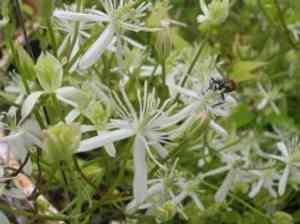
The most favorable period for relocating ground virgin's bower is when the weather introduces moderate warmth, generally at the transition from mid to late spring or the commencement of early summer. This timeframe furnishes ground virgin's bower with consistent temperatures and appropriate soil characteristics for root development. Verify that the selected site provides filtered sunlight and soil that drains effectively. During the transplanting process, exercise caution to lessen root disruption, facilitating an effortless adaptation.
What Preparations are Needed Before Transplanting Ground Virgin's Bower?
What is the Ideal Time for Transplanting Ground Virgin's Bower?
The best period for moving ground virgin's bower is from mid to late spring. During this time, the mild weather aids root establishment and prevents the stress of intense summer heat, ensuring a smoother transition for ground virgin's bower. Transplanting ground virgin's bower within this timeframe capitalizes on the start of the growing season, allowing ground virgin's bower to flourish in its new spot with the entire summer ahead to develop.
How Much Space Should You Leave Between Ground Virgin's Bower Plants?
For your ground virgin's bower plant, a good guideline is to position each plant 1-2 feet (30-60 cm) apart. This spacing allows their roots to spread and grow healthily without competing for nutrients and water. Remember to dig each hole wide and deep enough to accommodate your plant's root ball.
What is the Best Soil Mix for Ground Virgin's Bower Transplanting?
Your ground virgin's bower prefers soil that drains well and has a slightly alkaline pH. You can prepare the ground by incorporating some slow-release granular fertilizer or compost. This will supply essential nutrients and enhance the soil structure, promoting your plantâs growth.
Where Should You Relocate Your Ground Virgin's Bower?
Select a location for your ground virgin's bower that receives full sun to partial shade. More than six hours of direct sun exposure daily (morning sun is preferred) would provide the best growing conditions. However, it can also tolerate some afternoon shade, especially during the hottest part of the day.
What Equipments Should You Prepare Before Transplantation Ground Virgin's Bower?
Shovel
Useful for excavating ground virgin's bower from its original spot and preparing the new planting site.
Gardening Gloves
To safeguard your hands while handling the soil and the plant.
Watering Can
To hydrate ground virgin's bower before and after transplanting for optimal moisture.
Gardening Trowel
Essential for smaller digging tasks, such as freeing ground virgin's bower from a pot.
Gardening Fork
Helps to lift ground virgin's bower from the ground or a container.
Wheelbarrow
To move ground virgin's bower from its initial location to the new site.
Tree Tie/Support Stakes
To provide support for ground virgin's bower after transplanting, especially if it is a taller specimen.
How Do You Remove Ground Virgin's Bower from the Soil?
How Do You Remove Ground Virgin's Bower from the Soil?
From Ground: First, thoroughly water the ground virgin's bower plant to make the soil easier to work with. Next, using your shovel, dig a wide circle around the plant, ensuring to dig deep enough to avoid harming the root system. Gradually work your shovel beneath the root ball of the ground virgin's bower. Once fully loosened, carefully lift the plant from the hole.From Pot: Water the ground virgin's bower in the pot to facilitate removal. Gently tilt the pot on its side and slide the ground virgin's bower plant out, taking care not to damage the roots. If the plant is stuck, you may need to gently loosen it with a trowel.From Seedling Tray: Water the tray to moisten the compost, making it easier to remove the seedlings. Using a pen or a stick, gently push up from the bottom of each cell, then carefully lift each ground virgin's bower seedling by its leaves, not the stem.
Step-by-Step Guide for Transplanting Ground Virgin's Bower
Preparation
Untangle any matted roots and soak the ground virgin's bower plant's root ball in water before planting. The plant should be well-hydrated for transplanting.
Planting Depth
Dig a hole at the new location. It should be twice as wide as and equal in depth to the ground virgin's bower's root ball. Ensure the ground virgin's bower is planted at the same level as in its previous location. Too deep might cause stem rot, and too shallow may dry out the roots.
Placement
Gently place the ground virgin's bower plant into the hole. Backfill the hole with soil, making sure to press gently around the base of the plant to eliminate air pockets. Water thoroughly.
Staking
Larger ground virgin's bower plants might require support. Install a stake next to the plant and gently tie the plant to it, ensuring not to constrict the stem.
How Do You Care For Ground Virgin's Bower After Transplanting?
Watering
Consistent watering is crucial, especially during the initial few weeks. Ensure the soil stays moist, but never waterlogged.
Pruning
Pruning will encourage more robust growth. Prune ground virgin's bower after it has finished blooming, cutting back spent shoots to strong buds or new growth.
Protection
Young ground virgin's bower plants can be susceptible to pests and diseases. Try to observe any changes in the plant's appearance and respond promptly.
Troubleshooting Common Issues with Ground Virgin's Bower Transplantation.
What's the best time to transplant ground virgin's bower?
The ideal season to move ground virgin's bower is between late spring and early autumn.
What is the correct spacing for transplanting ground virgin's bower?
Ensure you leave ample room between ground virgin's bower plants, ideally 1-2 feet (30-60 cm). This promotes better growth and reduces competition for resources.
How should I prepare the soil before transplanting ground virgin's bower?
Make sure the soil is well-drained with a pH level of 6.5-7.5. Incorporate organic matter like compost for improved soil fertility.
How deep should I dig the hole for ground virgin's bower during transplanting?
The transplanting hole should be twice as wide and the same depth as the root ball of ground virgin's bower. It ensures proper root spread and effective nutrient absorption.
Should I water ground virgin's bower after transplanting?
Yes, giving ground virgin's bower a thorough watering after transplanting helps settle the soil and minimizes transplant shock.
How do I handle ground virgin's bower during transplanting to prevent damage?
Handle ground virgin's bower gently by the root ball, not the stems - which might lead to accidental breakage or stress on the plant.
Will ground virgin's bower thrive in sunny locations after transplanting?
Ground virgin's bower enjoys full sun to partial shade. For better growth, transplant ground virgin's bower in an area receiving abundant sunlight.
Does the type of pot matter when transplanting ground virgin's bower?
Yes! Be sure the pot is sufficiently large for the root system of ground virgin's bower and has drainage holes to prevent waterlogging.
Can I prune ground virgin's bower during transplanting?
Yes, a light pruning of ground virgin's bower at transplanting can encourage a stronger root system and beneficial bushiness.
What if ground virgin's bower wilting after being transplanted?
Don't worry, minor wilting is normal as ground virgin's bower adjusts to new conditions. But should it persist, check for overwatering, underwatering, or pests.



