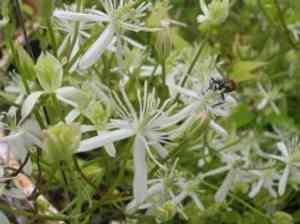
Ground virgin's bower (Clematis recta)
Also known as: Upright virgin's bower
Tube Clematis, a unique species of clematis, grows as an upright shrub rather than a climbing vine. It emits a fragrance much like that of hawthorn and typically thrives in woodland edges. This shrub is particularly appealing to bees and butterflies.
In This Article
Attributes of Ground virgin's bower
Lifespan
Perennial
Plant Type
Vine
Plant Height
61 cm to 1.8 m
Spread
60 cm to 1.2 m
Leaf Color
Green Purple
Flower Size
2.5 cm
Flower Color
White
Images of Ground virgin's bower
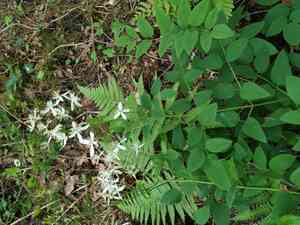
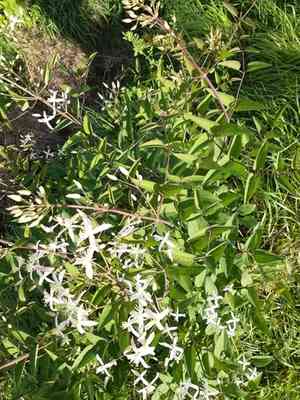
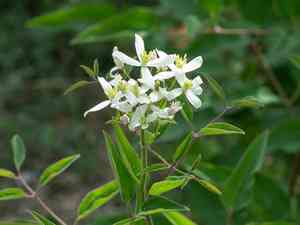
Quickly Identify Ground virgin's bower
1
Deciduous vine reaching up to 6 feet (1.8 meters) in height and 4 feet (1.2 meters) wide.
2
Milky white flowers with 4-8 petals, emitting a fragrant aroma in late spring to early summer.
3
Dark brown achenes with orbicular shape and plumose yellow tails for wind dispersion.
4
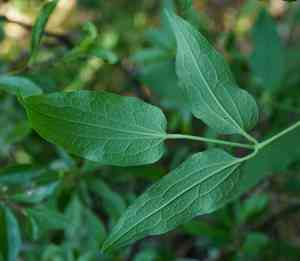
Pinnately divided leaves with purple young leaflets transitioning to green, hairy undersides.
5
Compound leaves consisting of five to nine leaflets, ranging from 2 to 4 inches (5 to 10 cm) in length.
Scientific Classification of Ground virgin's bower
Phylum
Vascular plants
Class
Dicotyledons
Order
Ranunculales
Family
Buttercup
Genus
Clematis
Species
Ground virgin's bower
Planting and Growing of Ground virgin's bower
Care Difficulty
Easy
Watering Schedule
Every 4 days
Sunlight Requirements
Full sun
Sunshine Duration
6-12 hours
Ideal Temperature
60-75℉
Soil Type
Potting Mix, Peat Mix
Soil pH
6.5-7.5
Fertilizer Type
Balanced
Pruning Season
Spring, Summer
Pruning Area
Branches, Leaves
Pruning Frequency
2 times a year
Repotting Season
Spring
Pot Type
Plastic, Terracotta
 How to Water Ground virgin's bower?
Clematis recta prefers consistently moist soil but not waterlogged conditions. The ideal amount is approximately 500 ml per watering. This ensures that the root system receives adequate moisture without causing root rot. Water until the soil feels evenly moist to the touch but avoid leaving the plant in soggy soil.
What are the symptoms of an underwatered Ground virgin's bower?
›
What should I do if my Ground virgin's bower is not getting enough water?
›
What are the symptoms of an overwatered Ground virgin's bower?
›
How to save an overwatered Ground virgin's bower?
›
 What Are the Sunlight Requirements for Ground virgin's bower?
Clematis recta prefers partial to full sun exposure. This ideal range supports its growth by enhancing bloom production and maintaining its foliage health, making it an excellent addition to sunny gardens.
More About Sunlight Requirements Techniques→
What is Clematis recta's ideal lighting condition?
›
How can I achieve the ideal lighting conditions for Clematis recta?
›
What are the benefits of providing ideal lighting conditions?
›
 What Is the Ideal Temperature Range for Ground virgin's bower?
The ideal temperature range for Clematis recta is between 60°F and 75°F. This range facilitates optimal growth because the plant utilizes warmth in this spectrum for vital metabolic processes such as photosynthesis and nutrient uptake. Maintaining temperatures within this range helps promote vigorous growth, healthy foliage, and abundant flowering.
 What Soil is Best for Ground virgin's bower?
Clematis recta thrives in nutrient-rich soils that provide the essential nutrients necessary for robust growth. Ensuring the soil is fertile can significantly enhance the plant's flowering capabilities, resulting in vibrant and ample blooms. This plant requires well-draining soil to prevent waterlogging, which can lead to root rot. Proper drainage allows the roots to breathe and absorb moisture without becoming waterlogged, promoting strong and healthy growth. Clematis recta prefers soil that maintains a moderate level of moisture. While it should not be overly wet, consistent moisture levels lead to sustained growth and bloom development, ensuring the plant remains lush and vibrant.
 How to Fertilize Ground virgin's bower?
For Clematis recta, apply a balanced liquid fertilizer solution at a rate of about 10-20 ml per liter of water. This concentration provides the nutrients necessary for healthy growth without overwhelming the plant.
 How to Prune Ground virgin's bower?
Begin by gathering sharp pruning shears and disinfecting them to prevent plant diseases. Pruning Clematis recta in late autumn or winter allows you to shape the plant and remove spent flowering stems, preparing it for a vigorous growth in spring. Remove dead or damaged stems by cutting them back to a healthy bud. For Clematis recta, which is a Type 3 clematis, cut all stems down to about 12 inches (30 cm) above the ground. This encourages strong, lush growth for the next season. To enhance flowering, focus on thinning out congested growth. By selectively pruning out older, woodier stems, you give younger stems more space and sunlight, ensuring an abundant flowering display.
More About Pruning Techniques→
 How to Propagate Ground virgin's bower plant?
1
Gather seeds from mature Clematis recta flowers. Select seeds that are large and fully developed for sowing. Clean and dry them thoroughly before planting to prevent mold and other pests.
2
Select a healthy, semi-ripe stem from the parent plant and cut it at a 45-degree angle. Ensure the cutting includes at least two nodes and is approximately 10 cm long. Dip the cut end in rooting hormone to encourage root growth.
3
In early spring, carefully dig up the mature Clematis recta and divide the root ball into smaller sections. Each section should have healthy roots and a few shoots. Replant each section promptly.
 How to Repot Ground virgin's bower plant?
1
Clematis recta, or erect clematis, should be repotted when you notice the roots beginning to outgrow the current pot because this indicates limited space for growth. Spring and autumn are ideal times as the plant is actively growing.
2
Select a pot that is one size larger than the current one with ample drainage holes. A clay pot helps in maintaining soil moisture balance and supports strong root development, which is crucial for Clematis recta.
3
Opt for a loamy mixture that has good drainage and aeration. This prevents root rot while ensuring the roots can breathe, retaining enough moisture and nutrients for thriving in the new environment.
Toxicity
Ingestion, Contact
WARNING
The judgment on toxicity and danger is for reference only. We DO NOT GUARANTEE any accuracy of such judgment. Therefore, you SHALL NOT rely on such judgment. It is IMPORTANT TO SEEK PROFESSIONAL ADVICE in advance when necessary.
Learn More About Ground virgin's bower Diseases
Anthracnose
Bacterial Leaf Spot
Bacterial Wilt
Black Spot
Chemical Injury
Crown Gall
Damping-off
Downy Mildew
Drought Stress
Fusarium Wilt
Gray Mold
Leaf Curl
Leaf Spot
Mosaic
Nutrient Deficiency
Nutrient Toxicity
Powdery Mildew
Root Rot
Root-knot Nematode
Rusts
Sooty Mold
Spider Mites
Temperature Stress
Thrips Damage
White Mold



