How to Transplant Oriental virgin's-bower?
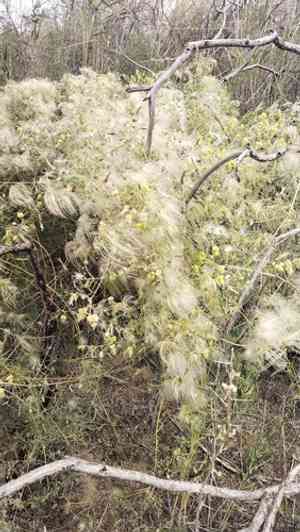
Relocating oriental virgin's-bower is most effective during springtime, providing an ideal period for root development. Select a bright location featuring soil that drains efficiently. Guarantee ample room and irrigate promptly following transplantation to encourage vigorous development.
What Preparations are Needed Before Transplanting Oriental Virgin's-bower?
What is the Ideal Time for Transplanting Oriental Virgin's-bower?
The optimal period for relocating oriental virgin's-bower is during spring's gentle thaw, when the earth welcomes new growth. This timing allows oriental virgin's-bower's roots to establish before summer. By choosing this rejuvenating season, you're ensuring oriental virgin's-bower's robust root development and successful transition, as the weather is mild and the soil, optimal for nurturing tender roots. This benevolent act of timing provides oriental virgin's-bower a splendid start and invigorates overall plant vitality, truly an optimal transition phase for oriental virgin's-bower.
How Much Space Should You Leave Between Oriental Virgin's-bower Plants?
When transplanting oriental virgin's-bower, ensure adequate spacing between each plant. A distance of approximately 2-3 feet (60-90 cm) will be ideal, providing ample room for each plant to grow and thrive.
What is the Best Soil Mix for Oriental Virgin's-bower Transplanting?
To prepare the soil for oriental virgin's-bower, select a well-drained soil, ideally rich in organic matter. Incorporate a base fertilizer high in phosphorus and nitrogen. This will aid oriental virgin's-bower in developing strong and healthy growth.
Where Should You Relocate Your Oriental Virgin's-bower?
Remember that the chosen site for oriental virgin's-bower should receive ample sunlight. Ideally, a location that gets about 6 hours of sun daily is suitable. The more sun oriental virgin's-bower receives, the more vibrant its blooms will be!
What Equipments Should You Prepare Before Transplantation Oriental Virgin's-bower?
Gardening Gloves
To safeguard your hands while handling soil and oriental virgin's-bower.
Shovel or Spade
For excavating the plant from its original spot and preparing the new planting hole.
Gardening Fork
Assists in loosening the soil within and around the plant's root area.
Pruning Shears
For trimming roots and shoots as needed.
Watering Can/Hose
For hydrating the plant before and after its relocation.
Mulch
To retain moisture in the soil surrounding the newly planted specimen.
Stake and Garden Twine
To offer support to the climbing oriental virgin's-bower after transplanting.
Wheelbarrow
To move the excavated plant from its initial position to the new site.
How Do You Remove Oriental Virgin's-bower from the Soil?
How Do You Remove Oriental Virgin's-bower from the Soil?
From Ground: Water the oriental virgin's-bower plant generously to moisten the soil. Then, use a gardening fork to gently loosen the soil around the plant, about a shovelâs length in diameter, to avoid damaging the roots. Dig a wide trench around the plant using a shovel, ensuring the plant's root ball remains intact. Carefully work the spade under the root ball to lift the plant from its original location.From Pot: Water the plant thoroughly. Invert the pot while gently supporting the oriental virgin's-bower stem and root-ball with your hands. Tap the rim of the pot on the edge of a table or bench to dislodge the root-ball, and slide the plant out of the pot.From Seedling Tray: Water the seedlings first to facilitate easier removal. Carefully loosen the soil around each seedling using a fork or your fingers. Lift the oriental virgin's-bower seedling by the leaves, not the stem, and gently remove it from the tray.
Step-by-Step Guide for Transplanting Oriental Virgin's-bower
Prepare the Plant
Water the oriental virgin's-bower plant thoroughly one day prior to transplanting. Trim any dead or diseased portions of the plant.
Dig a Hole
The hole should be twice as wide as the current root system of oriental virgin's-bower but no deeper than its current root length.
Position the Plant
Place oriental virgin's-bower in the prepared hole. Spread the roots out and position the plant so that its topmost root is level with or slightly below the groundâs surface.
Backfill the Hole
Fill the hole with soil, gently firming it around the root zone of the oriental virgin's-bower plant.
Water Generously
Once transplanted, water oriental virgin's-bower generously, thoroughly saturating the root zone.
Provide Support
If youâre transplanting a mature oriental virgin's-bower, stake the stem and tie it gently with a garden twine to provide support.
How Do You Care For Oriental Virgin's-bower After Transplanting?
Watering
Ensure the soil around the oriental virgin's-bower remains consistently moist, but not waterlogged, for the initial few weeks post-transplant to encourage strong root establishment.
Mulching
Apply a layer of mulch around the base of oriental virgin's-bower to help retain soil moisture and suppress weed growth.
Support
Continue to guide oriental virgin's-bower towards its support structure as it develops.
Pruning
Trim oriental virgin's-bower during its first spring to promote a bushy habit and more flowering shoots.
Maintenance
Closely observe the plant for signs of stress such as wilting, yellowing leaves, or a lack of new growth.
Troubleshooting Common Issues with Oriental Virgin's-bower Transplantation.
When's the best time to transplant oriental virgin's-bower?
The ideal time to transplant oriental virgin's-bower is during its dormant season, preferably in early to mid season (S1-S3).
What is the ideal spacing when planting oriental virgin's-bower?
Ensure there's ample space to promote healthy growth for oriental virgin's-bower. Preferably, maintain a distance of 2-3 feet (60-90cm) between each plant.
What should be the depth of the hole for transplanting oriental virgin's-bower?
For oriental virgin's-bower, dig a hole that is double the diameter and the same depth as the root-balls or pots.
Why does my newly transplanted oriental virgin's-bower appear to be wilting?
Drooping or wilting is normal after transplanting. Keep the soil moist and avoid direct sunlight to reduce transplant shock.
My transplanted oriental virgin's-bower is not showing growth. What should I do?
Firstly, ensure it's watered properly. Secondly, check for pests or diseases. If it's still not growing, try a mild plant food.
Should I prune oriental virgin's-bower before transplanting?
Yes, you should lightly prune oriental virgin's-bower before transplanting. This reduces stress on the plant and encourages faster recovery.
How much water does a transplanted oriental virgin's-bower require?
Oriental virgin's-bower prefers well-draining soil that remains moist. Water the transplanted plant once or twice a week depending on the climate.
Should fertilizer be added during transplantation of oriental virgin's-bower?
Fertilizer isnât necessary during transplantation. However, a few weeks after establishing, you can apply a general-purpose fertilizer to promote growth.
How should I prepare the soil for transplanting oriental virgin's-bower?
For best results, ensure the soil is loosened and enriched with organic matter. Oriental virgin's-bower prefers well-drained and fertile soil.
Can I transplant oriental virgin's-bower in full sun?
Oriental virgin's-bower can tolerate full sun, but be aware that it could lead to increased watering requirements. Partial shade is often more beneficial.



