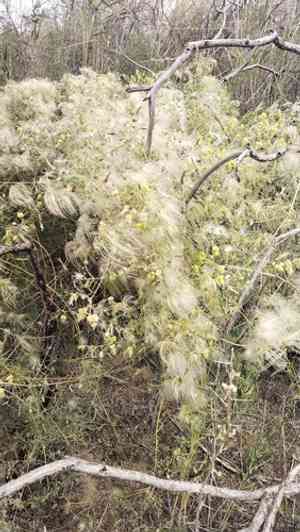
Oriental virgin's-bower (Clematis orientalis)
Also known as: Oriental clematis
The oriental virgin's-bower (Clematis orientalis) is a fragrant vine native to central Europe and Asia. Initially introduced to North America as an ornamental plant, it has since become an invasive weed in various U.S. states.
In This Article
Attributes of Oriental virgin's-bower
Lifespan
Perennial
Plant Type
Vine
Plant Height
8 m
Spread
2 m to 8 m
Leaf Color
Green
Flower Size
2.5 cm to 10 cm
Flower Color
Yellow White Orange
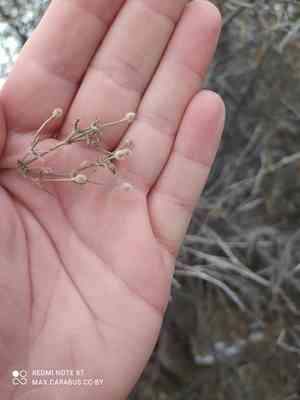
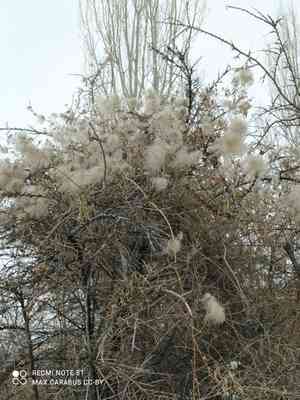
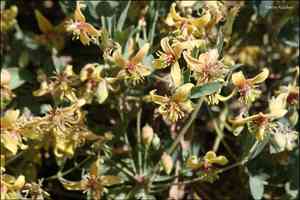
Images of Oriental virgin's-bower
Quickly Identify Oriental virgin's-bower
1
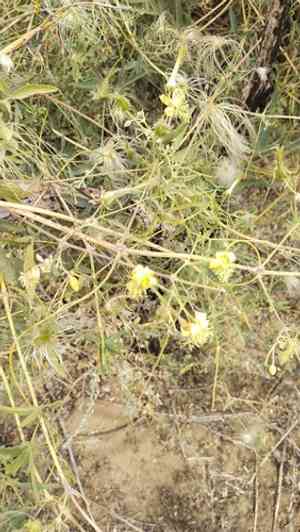
Oriental Clematis can be identified by its distinctive yellow, bell-shaped flowers and feathery seed heads. The leaves are generally pinnate with deeply lobed leaflets, and the plant typically exhibits a vigorous climbing habit.
Scientific Classification of Oriental virgin's-bower
Phylum
Vascular plants
Class
Dicotyledons
Order
Ranunculales
Family
Buttercup
Genus
Clematis
Species
Oriental virgin's-bower
Planting and Growing of Oriental virgin's-bower
Care Difficulty
Easy
Watering Schedule
Every 3 days
Sunlight Requirements
Full sun
Sunshine Duration
6-10 hours
Ideal Temperature
60-75℉
Soil Type
Potting Mix, Peat Mix
Soil pH
6.5-7.5
Fertilizer Type
Balanced
Pruning Season
Spring, Summer
Pruning Area
Branches, Leaves
Pruning Frequency
2 times a year
Repotting Season
Spring
Pot Type
Plastic, Ceramic
 How to Water Oriental virgin's-bower?
Clematis orientalis prefers a consistent but moderate watering regimen. It's ideal to water until the soil feels evenly moist but not waterlogged, allowing excess water to drain away to prevent root rot. This translates to about 500ml per watering session for potted plants, ensuring the soil is adequately moist without pooling water on the surface.
What are the symptoms of an underwatered Oriental virgin's-bower?
›
What should I do if my Oriental virgin's-bower is not getting enough water?
›
What are the symptoms of an overwatered Oriental virgin's-bower?
›
How to save an overwatered Oriental virgin's-bower?
›
 What Are the Sunlight Requirements for Oriental virgin's-bower?
Clematis orientalis thrives in full to partial sun. Providing this range ensures robust growth, more abundant and vibrant blooms, and enhances the plant's photosynthetic capacity, leading to greater resilience to pests and diseases.
More About Sunlight Requirements Techniques→
How much sunlight does Clematis orientalis need?
›
What solutions can be implemented to achieve ideal light conditions?
›
What are the benefits of providing ideal light to Clematis orientalis?
›
 What Is the Ideal Temperature Range for Oriental virgin's-bower?
For Clematis orientalis, maintaining an ideal temperature range of 60 to 75°F ensures optimal growth and floral development. This range provides a stable environment where the plant's physiological processes function at their best, promoting healthy foliage and vibrant blooms. Adhering to this range helps prevent stress and supports overall plant vigor.
 What Soil is Best for Oriental virgin's-bower?
Clematis orientalis thrives in well-drained soil, which prevents root rot by facilitating good water movement. This condition keeps the roots healthy and promotes lush growth and abundant flowering. A soil enriched with organic matter provides essential nutrients that support robust growth and help the plant resist diseases. Incorporating compost enhances the soil's fertility substantially. Soil that allows air to circulate easily around the roots is vital for Clematis orientalis. This prevents stunted growth, encourages healthy root systems, and ultimately leads to vigorous plant development.
 How to Fertilize Oriental virgin's-bower?
Clematis orientalis thrives with light to moderate fertilization. Typically, apply a balanced liquid fertilizer diluted at a ratio of 1/2 the recommended strength per gallon. Over-fertilization can lead to root burn and inhibit blooming.
 How to Prune Oriental virgin's-bower?
Before pruning Clematis orientalis, note its growth pattern. As a late-flowering species, it blooms on new wood, so heavy pruning in spring won't affect its floral display that year. This knowledge aids in effective pruning strategies. Begin by removing dead or weak stems at any time during the dormant period. In spring, focus on thinning, removing crossing branches, and encouraging new, healthy shoots. Avoid cutting back to the old wood to ensure a rich flowering season.
More About Pruning Techniques→
 How to Propagate Oriental virgin's-bower plant?
1
Collect mature seeds from the plant in late autumn. Clean them thoroughly to remove any remaining fruit pulp and store them in a cool, dry place until spring.
2
Select healthy stems and cut sections about 4-6 inches long. Remove the lower leaves and dip the cut ends in rooting hormone before planting them in a moist potting mix.
3
Select a low, flexible branch and bend it to touch the ground. Cover a portion of the stem with soil while ensuring the tip is still exposed. Roots will develop over time from the buried segment.
 How to Repot Oriental virgin's-bower plant?
1
You’ll know it’s time to repot your Clematis orientalis when the roots begin to protrude from the drainage holes, signaling that they need more room to thrive. Additionally, if water is not soaking as easily into the soil, repotting may help improve root hydration. By observing these signs, you can ensure a healthy growth environment for your plant.
2
Selecting a pot for Clematis orientalis requires keen attention; it should be slightly larger than the current one to offer room for growth but not too big to avoid waterlogged soil. Using a pot with adequate drainage holes ensures excess water can escape, reducing risks of root rot and encouraging a robust root system.
3
Utilize a well-draining loam mix that provides just the right balance of moisture retention and aeration. This type of soil prevents water stagnation, ensuring that the roots of your Clematis orientalis are neither too dry nor overly moist, promoting healthy and vigorous plant development.
Toxicity
Ingestion
WARNING
The judgment on toxicity and danger is for reference only. We DO NOT GUARANTEE any accuracy of such judgment. Therefore, you SHALL NOT rely on such judgment. It is IMPORTANT TO SEEK PROFESSIONAL ADVICE in advance when necessary.
Learn More About Oriental virgin's-bower Diseases
Anthracnose
Bacterial Leaf Spot
Black Spot
Chemical Injury
Crown Gall
Damping-off
Downy Mildew
Drought Stress
Fusarium Wilt
Gray Mold
Leaf Curl
Leaf Spot
Mosaic
Nutrient Deficiency
Nutrient Toxicity
Powdery Mildew
Root Rot
Root-knot Nematode
Rusts
Sooty Mold
Spider Mites
Temperature Stress
Thrips Damage
White Mold



