How to Transplant Early large-flowered clematis?
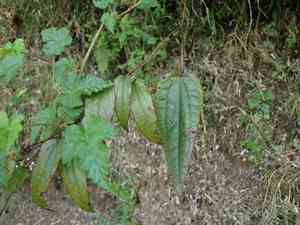
For early large-flowered clematis, the ideal period for relocation spans from the onset of spring until its peak, or as autumn transitions towards the initial signs of winter. Select a location offering abundant light and soil that drains effectively to accommodate these enduring plants. Ensure their root systems remain cool through shading or the application of mulch.
What Preparations are Needed Before Transplanting Early Large-flowered Clematis?
What is the Ideal Time for Transplanting Early Large-flowered Clematis?
The best time to move early large-flowered clematis is from mid-spring to late spring, or from late fall to early winter. These periods avoid extreme weather, allowing early large-flowered clematis to establish roots in mild soil. Transplanting during these gentler seasons helps early large-flowered clematis thrive, promoting strong growth and health.
How Much Space Should You Leave Between Early Large-flowered Clematis Plants?
Hello there! It's a good rule of thumb to space early large-flowered clematis about 24-36 inches (61-91 cm) apart. This gives your plants plenty of room to flourish without overcrowding. Happy gardening!
What is the Best Soil Mix for Early Large-flowered Clematis Transplanting?
For early large-flowered clematis, incorporate well-draining soil with ample organic matter for a good start. A balanced, slow-release fertilizer will provide an extra boost. Enjoy nurturing your garden!
Where Should You Relocate Your Early Large-flowered Clematis?
Let's find a spot for your early large-flowered clematis with partial to full sunlight. An ideal location receives morning sun and afternoon shade. This will ensure beautiful blooms. Excited for you to see them grow!
What Equipments Should You Prepare Before Transplantation Early Large-flowered Clematis?
Gardening Gloves
To protect your hands while working with the soil and plant.
Shovel or Spade
To dig up the plant and prepare the new hole.
Pruning Shears
To trim any dead or excessive growth before transplanting.
Watering Can or Hose
To water the plant before and after transplanting.
Garden Fork
To help loosen the soil around the plant's roots.
How Do You Remove Early Large-flowered Clematis from the Soil?
How Do You Remove Early Large-flowered Clematis from the Soil?
From Ground: First, water the early large-flowered clematis plant to dampen the soil. This makes it easier to remove the plant without causing stress to the roots. Use a shovel or spade to dig a wide circle around the plant, being careful not to cut into the root ball. Gently pry the plant from the ground with the roots intact.From Pot: Begin by watering the early large-flowered clematis plant to loosen the soil. Turn the pot on its side and gently pull the plant by the base while tapping or squeezing the pot to release the root ball. Slide the plant out carefully, making sure to support the stem and roots.From Seedling Tray: Water the soil around the early large-flowered clematis seedlings to make removal easier. Use a spoon or a small gardening tool to lift each seedling by the leaves, avoiding damage to the fragile stem, and gently tease the roots free from the tray.
Step-by-Step Guide for Transplanting Early Large-flowered Clematis
Preparing New Site
Dig a hole in the ground that's twice as wide as the root ball and of the same depth. Loosen the soil at the bottom of the hole to help the roots of early large-flowered clematis establish.
Root Preparation
Gently remove any dead roots or tangled masses on the early large-flowered clematis plant's root ball. If from a pot or tray, loosen the roots lightly to encourage them to expand into the new soil.
Plant Positioning
Place the early large-flowered clematis plant in the center of the hole at the same depth it was growing before. Spread the roots outward.
Filling the Hole
Partially fill the hole with soil around the early large-flowered clematis plant's roots. Water it to settle the soil and remove air pockets. Continue filling until the soil level is even with the surrounding ground.
Support Installation
If your early large-flowered clematis plant requires staking, install the stake at this point. Position it carefully to avoid damaging the root ball, and secure the plant to the stake with a soft tie.
How Do You Care For Early Large-flowered Clematis After Transplanting?
Initial Watering
Thoroughly water the early large-flowered clematis plant right after transplanting to help reduce transplant shock and ensure the soil settles around the roots.
Mulching
Apply a layer of mulch around the base of early large-flowered clematis to retain moisture and suppress weeds without covering the stem of the plant.
Staking
Check that the stake or support is securely in place and adjust ties as the early large-flowered clematis plant grows to avoid cutting into the stems.
Monitoring
Keep an eye on the early large-flowered clematis plant's health, watching for signs of stress, such as wilting or yellowing, which could indicate a need for more water or shade.
Gentle Fertilizing
After establishment, consider a gentle application of a balanced, slow-release fertilizer, unless already discussed in previous sections.
Troubleshooting Common Issues with Early Large-flowered Clematis Transplantation.
What's the optimal transplant time for early large-flowered clematis?
Transplant early large-flowered clematis from mid-spring to late spring or from late autumn to early winter for best results.
How far apart should I space early large-flowered clematis when transplanting?
Aim for a spacing of 24-36 inches (61-91 cm) to give early large-flowered clematis ample room to grow and flourish.
What should I do if early large-flowered clematis's leaves wilt after transplanting?
Ensure it's well-watered. Wilting might be due to shock. Maintain consistent moisture while early large-flowered clematis settles in.
How deeply should I plant early large-flowered clematis during transplantation?
Plant early large-flowered clematis with the crown 1-2 inches (2.5-5 cm) below the soil surface for optimal growth.
Can early large-flowered clematis be transplanted on a sunny, hot day?
Transplant early large-flowered clematis on an overcast day or in the evening to reduce stress and prevent wilting.
What's the best way to prepare the soil for early large-flowered clematis?
Enrich the soil with compost or well-rotted manure to ensure nutritious, well-draining conditions for early large-flowered clematis.
How much should I water early large-flowered clematis after transplanting?
Water thoroughly after transplanting, and keep soil evenly moist for several weeks as early large-flowered clematis establishes.
When is it safe to start fertilizing early large-flowered clematis after transplanting?
Wait until early large-flowered clematis shows signs of new growth before fertilizing, indicating it's rooted and ready for nutrients.
How can I avoid damaging early large-flowered clematis's roots during transplant?
Gently loosen the soil and lift early large-flowered clematis carefully preserving as much root ball as possible for transplant success.
Should I prune early large-flowered clematis before transplanting?
Light pruning can help reduce transplant shock. Trim any damaged stems to focus early large-flowered clematis's energy on root development.



