How to Transplant Pine hyacinth?
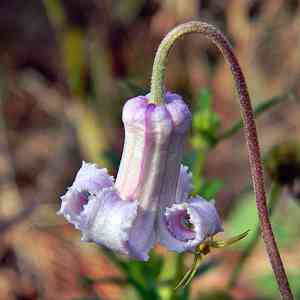
Pine hyacinth flourishes when moved during the early growth and flowering phases of its annual cycle. To achieve peak development, select a location that receives ample sunlight to partial shade and features soil that drains effectively. Relocating the plant at this juncture promotes strong root development.
Essential Preparations Before Relocating Pine Hyacinth
Optimal Period for Relocating Pine Hyacinth?
Moving pine hyacinth from early to late spring provides ideal soil warmth and moisture, aiding root establishment. During this window, the plant experiences less stress and has ample time to adjust before summer's heat. This timing maximizes growth potential and minimizes transplant shock, fostering a healthier, more robust perennial.
Recommended Spacing Between Pine Hyacinth Specimens?
Ensure pine hyacinth are spaced approximately 18-24 inches (45-60 cm) apart. This allows each plant sufficient room to expand and thrive without competing for vital nutrients.
Ideal Soil Blend for Pine Hyacinth Relocation?
Prepare the ground with a well-draining mixture, preferably loamy and rich in organic matter. Incorporate a foundational layer of balanced fertilizer to supply essential nutrients. This establishes a strong basis for vigorous growth from the outset.
Optimal Location for Your Pine Hyacinth?
Select a site that receives full to partial sunlight, roughly 6-8 hours daily. This ensures pine hyacinth gets the necessary light to flourish while offering some shade to prevent wilting during peak heat.
Tools Required Before Relocating Pine Hyacinth
Gardening Gloves
To safeguard your hands while handling soil and the plant.
Shovel or Spade
For excavating around the plant's root system without causing harm.
Watering Can or Hose
To thoroughly hydrate the soil surrounding the plant both before and after relocation.
Mulch
To assist in retaining soil moisture post-transplantation.
Pruning Shears
For trimming any damaged or deceased roots prior to relocation.
Method for Extracting Pine Hyacinth from the Ground
Method for Extracting Pine Hyacinth from the Ground?
From Ground: First, hydrate the pine hyacinth plant to moisten the soil. Next, use a shovel or spade to dig a wide trench around the plant, ensuring the root ball remains intact. Carefully maneuver the spade beneath the root ball and lift the plant from its original spot.From Pot: Gently tilt the pot sideways and tap the base to dislodge the pine hyacinth plant. Grasp the stem's base and carefully slide the plant out, ensuring the root ball stays undisturbed.From Seedling Tray: Water the seedling tray thoroughly. Employ a small spoon or similar utensil to carefully lift each pine hyacinth seedling from the tray, making sure to include as much of the root system as possible.
Detailed Guide for Relocating Pine Hyacinth
Prepare the New Location
Excavate a hole that is twice as wide and slightly deeper than the root ball of your pine hyacinth plant. This will provide the roots ample room to spread and establish themselves.
Aerate the Soil
Loosen the soil at the base of the hole with a fork or spade to enhance drainage and root penetration.
Incorporate Compost
Mix some compost or organic material into the soil removed from the hole. This will supply essential nutrients for your pine hyacinth plant as it settles into its new environment.
Relocating the Plant
Position the pine hyacinth plant in the center of the hole, ensuring the top of the root ball is level with the surrounding soil. Backfill around the root ball with your amended soil, pressing gently to remove air pockets.
Thoroughly Water
Generously water the newly relocated pine hyacinth plant to help the soil settle around the roots and provide initial hydration.
Post-Relocation Care for Pine Hyacinth
Watering
Maintain consistent moisture in the soil around the pine hyacinth, avoiding sogginess, for the initial weeks after relocation to foster strong root development.
Mulching
Apply a layer of mulch around the plant's base, keeping it a few inches from the stem, to help retain moisture and regulate soil temperature.
Monitoring
Regularly inspect the pine hyacinth plant for indications of stress, such as wilting or yellowing leaves, and adjust watering or placement as necessary.
Pruning
Trim away any damaged or dead sections of the plant to encourage healthy new growth and reduce stress on the plant.
Resolving Common Issues with Pine Hyacinth Relocation.
When is the optimal time to relocate pine hyacinth?
Early to late spring is the best period for relocating pine hyacinth.
How should I prepare the soil for relocating pine hyacinth?
Amend the soil with compost and ensure it drains well before relocating pine hyacinth.
What spacing should I maintain between pine hyacinth plants?
Allow a distance of 18-24 inches (45-60 cm) between each pine hyacinth plant.
How deep should I plant pine hyacinth in the ground?
Plant pine hyacinth so its crown is flush with the soil surface.
How much water does pine hyacinth require after relocation?
Water pine hyacinth thoroughly after relocation, then keep the soil consistently moist for several weeks.
Is pruning necessary for pine hyacinth after relocation?
Prune any damaged or excessively long roots before planting to promote healthy growth.
What steps can I take to prevent transplant shock in pine hyacinth?
Water adequately and avoid direct sunlight for the first week to minimize transplant shock in pine hyacinth.
Should I use mulch around pine hyacinth after relocation?
Yes, apply a 2-3 inch (5-7.5 cm) layer of mulch to conserve soil moisture and temperature.
How long does pine hyacinth take to establish after relocation?
Pine hyacinth typically takes a few weeks to establish roots and show new growth.
Can I relocate pine hyacinth during the summer?
Avoid relocating pine hyacinth during hot summer months to prevent plant stress.



