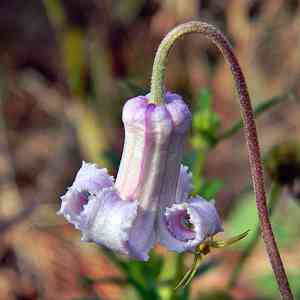
Pine hyacinth (Clematis baldwinii)
Also known as: Pineland Clematis
Pine hyacinth, also known as Scilla hyacinthoides, is known for its vibrant blue or violet flowers that bloom in dense, elongated clusters. This plant flourishes in well-drained, sandy or loamy soils and thrives under full sun to partial shade conditions. It is well-suited to temperate climates and demonstrates good drought tolerance once established. These striking flowers are not only visually appealing but also attract a variety of pollinators, enhancing its ecological presence.
In This Article
Attributes of Pine hyacinth
Lifespan
Perennial
Plant Type
Vine, Herb
Plant Height
3-10 feet
Spread
Climbing vine - does not form a distinct crown
Leaf Color
Green
Flower Size
1-2 inches
Flower Color
Cream to pale yellow
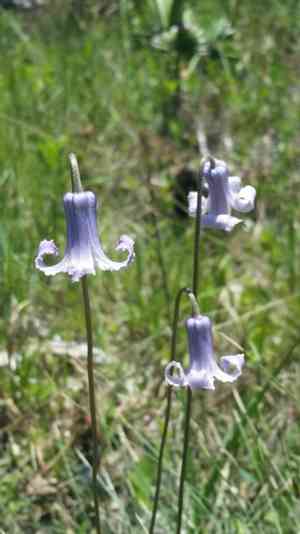
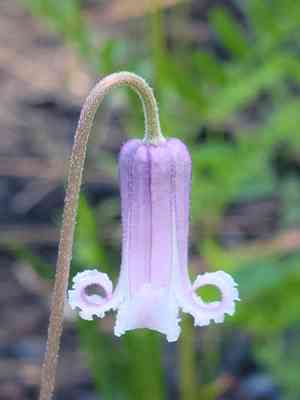
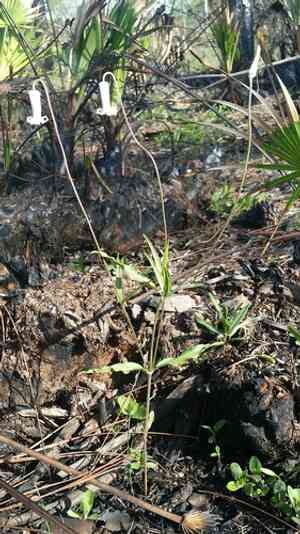
Images of Pine hyacinth
Quickly Identify Pine hyacinth
1
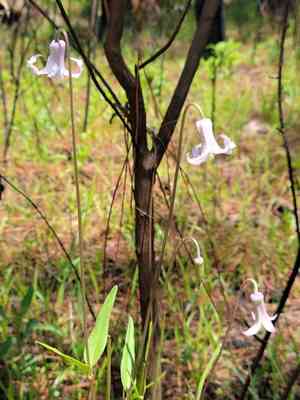
To identify Clematis baldwinii, look for a climbing vine with bell-shaped flowers. The flowers are typically cream to pale yellow in color and can often be seen hanging downward. The leaves are compound and divided into several smaller leaflets.
Scientific Classification of Pine hyacinth
Phylum
Vascular plants
Class
Dicotyledons
Order
Ranunculales
Family
Buttercup
Genus
Clematis
Species
Pine hyacinth
Planting and Growing of Pine hyacinth
Care Difficulty
Moderate
Watering Schedule
Every 4 days
Sunlight Requirements
Partial sun
Sunshine Duration
6-10 hours
Ideal Temperature
68-77℉
Soil Type
Potting Mix, Peat Mix
Soil pH
6.5-7.5
Fertilizer Type
Balanced
Pruning Season
Spring, Summer
Pruning Area
Branches, Leaves
Pruning Frequency
2 times a year
Repotting Season
Spring
Pot Type
Plastic, Ceramic
 How to Water Pine hyacinth?
Clematis baldwinii prefers consistently moist soil, but it's essential not to overwater. Ensure that you water enough to thoroughly moisten the root zone, which typically means around 500 milliliters per watering session. Observe how quickly the topsoil dries out to determine if this amount is suitable.
What are the symptoms of an underwatered Pine hyacinth?
›
What should I do if my Pine hyacinth is not getting enough water?
›
What are the symptoms of an overwatered Pine hyacinth?
›
How to save an overwatered Pine hyacinth?
›
 What Are the Sunlight Requirements for Pine hyacinth?
For Clematis baldwinii, aim for partial to full sun exposure. This ensures the plant receives enough energy for photosynthesis and flowering, fostering a healthy and flourishing growth cycle.
What is the best lighting?
›
How can one provide this light?
›
What are the benefits of ideal lighting?
›
 What Is the Ideal Temperature Range for Pine hyacinth?
Clematis baldwinii thrives best in temperatures ranging from 68°F to 77°F. This temperature range ensures optimal metabolic activities and supports healthy flowering and growth. Maintaining this range can help in achieving robust and vigorous plant health as extreme deviations could stress the plant.
 What Soil is Best for Pine hyacinth?
Clematis baldwinii thrives in well-drained soils that allow excess water to escape quickly, preventing root rot. This type of soil helps promote healthy root growth and ensures the plant receives adequate oxygen. It is essential for the soil to be rich in organic matter, providing Clematis baldwinii with the necessary nutrients. Organic matter like compost or well-rotted manure supports robust growth and flowering. The soil should retain some moisture to ensure the plant doesn't dry out, yet not so much that it becomes waterlogged. This balance is important for consistent hydration that supports steady growth.
 How to Fertilize Pine hyacinth?
Clematis baldwinii benefits from a moderate fertilization approach. Apply liquid fertilizer at half the recommended strength to avoid overfeeding. For slow-release granular fertilizers, use approximately one teaspoon per plant spread evenly over the root zone, ensuring the granules do not touch the stems directly.
 How to Prune Pine hyacinth?
Begin by removing all dead and unhealthy stems. Next, thin out congested areas to improve airflow, pruning back to a pair of healthy buds. Lastly, trim to shape the plant aesthetically, ensuring balanced growth throughout. Perform major cuts in Spring after the threat of frost has gone, but before new growth starts. Summer pruning should focus on tidying up and deadheading spent blooms to encourage more flowering.
 How to Propagate Pine hyacinth plant?
1
Choose robust, disease-free parent plants for propagation. This ensures that the new plants will have the best start and inherit healthy characteristics from their parent.
2
Use a well-draining growing medium composed of equal parts peat and perlite. This mix provides nutrients while preventing waterlogging, which is detrimental to young plants.
3
Keep the temperature between 18-22°C (65-72°F) with high humidity to encourage root development in cuttings, seedlings, or divisions during the early growth stages.
 How to Repot Pine hyacinth plant?
1
Look for signs like roots emerging from the drainage holes, or when the plant seems to be growing less vigorously. These indicate that Clematis baldwinii needs more room to expand and access nutrients.
2
Select a pot that is one size larger than the current one, with sufficient drainage holes. This helps prevent waterlogging, which is crucial for maintaining healthy roots and avoiding root rot.
3
Opt for a well-drained loamy mix to ensure that excess water can easily escape, providing the roots with oxygen and preventing diseases caused by waterlogged conditions.
Toxicity
ingestion, contact
WARNING
The judgment on toxicity and danger is for reference only. We DO NOT GUARANTEE any accuracy of such judgment. Therefore, you SHALL NOT rely on such judgment. It is IMPORTANT TO SEEK PROFESSIONAL ADVICE in advance when necessary.
Learn More About Pine hyacinth Diseases
Anthracnose
Bacterial Leaf Spot
Bacterial Soft Rot
Bacterial Wilt
Black Spot
Chemical Injury
Crown Gall
Damping-off
Downy Mildew
Drought Stress
Fusarium Wilt
Gray Mold
Leaf Curl
Leaf Spot
Mosaic
Nutrient Deficiency
Nutrient Toxicity
Powdery Mildew
Root Rot
Root-knot Nematode
Rusts
Sooty Mold
Spider Mites
Temperature Stress
Thrips Damage
White Mold



