How to Transplant Davy's clarkia?
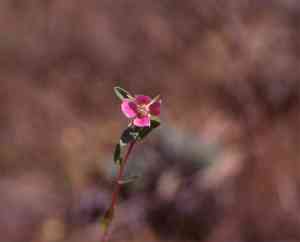
Davy's clarkia flourishes optimally when relocated during the delightful period of mid to late spring. Select a bright, adequately drained site, confirming its continued exposure to sunlight. Verify that the chosen area offers superior drainage, thereby encouraging vigorous, thriving development.
What Preparations are Necessary Before Relocating Davy's Clarkia?
What is the Optimal Period for Moving Davy's Clarkia?
The best time for relocating davy's clarkia is during the middle to end of spring once the ground has adequately warmed and the danger of frost has passed. Moving them at this point guarantees strong root development and vigorous growth. The rising temperatures and increased daylight offer perfect conditions for adaptation and growth, ultimately leading to a more vibrant annual display.
How Much Space Should You Allow Between Davy's Clarkia Plants?
When relocating davy's clarkia, ensure a spacing of 6-12 inches (15-30 cm) between plants. This provides each plant sufficient room to grow and helps prevent overcrowding.
What is the Best Soil Mixture for Davy's Clarkia Relocation?
Prepare well-draining soil enriched with compost or a slow-release granular fertilizer to supply the essential nutrients for davy's clarkia. This plant particularly thrives in sandy or loamy soil.
Where Should You Replant Your Davy's Clarkia?
Select a spot that receives full sunlight, at least 6-8 hours daily. Davy's clarkia loves absorbing the sun, which aids in producing vivid blooms.
What Tools Should You Prepare Before Relocating Davy's Clarkia?
Gardening Gloves
To safeguard your hands while handling soil and plants.
Shovel or Spade
For excavating the plant from the ground or creating a planting hole.
Hand Trowel
For more precise digging around smaller root systems.
Watering Can or Hose
To moisten the soil before and after relocation.
Transplanting Fertilizer
To supply vital nutrients to the plant after its move.
How Do You Extract Davy's Clarkia from the Soil?
How Do You Extract Davy's Clarkia from the Soil?
From Ground: First, hydrate the davy's clarkia plant to moisten the soil. Then, dig a wide trench around the plant using a shovel or spade, ensuring the plant's root ball remains intact. Carefully work the spade beneath the root ball to lift the plant from its original spot.From Pot: Water the plant thoroughly to loosen the soil. Gently tilt the pot on its side and tap the bottom to ease the plant out. You might need to squeeze the pot's sides or use a hand trowel around the edges if the plant is stuck.From Seedling Tray: Lightly water the seedlings to facilitate removal. Gently push from the bottom of the tray using a pencil or stick to dislodge the seedling along with its root ball. Handle the seedlings by their leaves to avoid damaging the stems.
Step-by-Step Guide for Relocating Davy's Clarkia
Site Preparation
Prepare the new planting location by digging a hole twice as wide and equal in depth to the davy's clarkia plant's root ball.
Soil Preparation
Amend the soil if necessary and ensure it's well-draining and fertile for the davy's clarkia.
Placing the Plant
Position the davy's clarkia in the hole, ensuring that the top of the root ball is level with the surrounding soil. Fill in around the plant with soil, pressing it gently to remove air pockets.
Watering
Water the plant thoroughly after relocation to help settle the soil and eliminate any remaining air pockets.
Mulching
Apply a layer of mulch around the base of the davy's clarkia to help retain moisture and control weeds.
How Do You Care For Davy's Clarkia After Relocation?
Watering
Keep the soil around the davy's clarkia consistently moist, but not waterlogged, for the initial few weeks after relocation to help establish strong roots.
Pruning
Remove any damaged or dead leaves and stems to encourage healthy growth.
Monitoring
Observe the plant for signs of stress, such as wilting or yellowing leaves, and take appropriate action.
Weeding
Regularly remove any weeds around the davy's clarkia plant to reduce competition for nutrients and water.
Troubleshooting Common Issues with Davy's Clarkia Relocation.
When is the best time to relocate davy's clarkia?
The best time to relocate davy's clarkia is mid to late spring for optimal growth.
What is the ideal spacing for davy's clarkia?
Space the plants 6-12 inches (15-30 cm) apart to ensure healthy growth and proper airflow.
How should I prepare the soil for davy's clarkia?
Ensure well-draining loamy soil enriched with organic matter. Maintain a neutral to slightly acidic pH.
How deep should I plant davy's clarkia seedlings?
Plant the seedlings at the same depth they were in their original pots to avoid stress.
How much water does davy's clarkia need after relocation?
Water thoroughly after relocation and keep the soil consistently moist, but not waterlogged, for the first few weeks.
Do I need to provide any special care to newly relocated davy's clarkia?
Relocate during cooler parts of the day and provide shade if necessary to prevent wilting.
What are common signs of relocation shock in davy's clarkia?
Wilting, yellowing leaves, and slowed growth indicate relocation shock. Keep the soil moist and avoid fertilizing immediately.
Can I use fertilizer while relocating davy's clarkia?
Avoid using strong fertilizers immediately after relocation. Use a weak, balanced fertilizer after a few weeks.
What should I do if davy's clarkia wilts after relocating?
Ensure adequate watering and provide temporary shade. Avoid overwatering, which can lead to root rot.
How can I ensure successful relocation of davy's clarkia?
Handle seedlings gently, water even before planting out, and follow ideal spacing and soil preparation guidelines.



