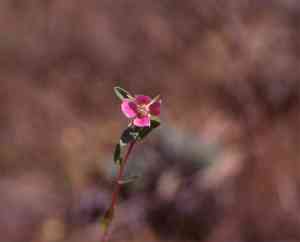
Davy's clarkia (Clarkia davyi)
Also known as: Davies' Clarkia
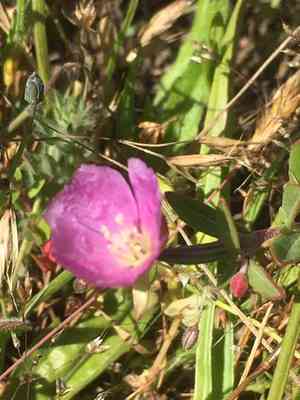
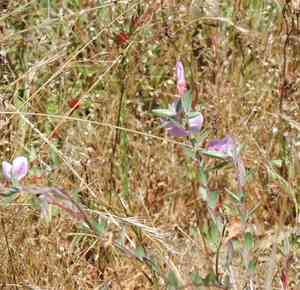
Davy's clarkia (Clarkia davyi), also known as Davy's fairyfan, is particularly appealing to various pollinators, including bees and butterflies. Notably, it attracts the small Apollo butterfly (Parnassius phoebus). This plant is also referred to as small-flowered Clarkia due to its petite, funnel-shaped pink or purple flowers, which have petals measuring just 5 to 11 mm in length.
In This Article
Attributes of Davy's clarkia
Lifespan
Annual
Plant Type
Herb
Plant Height
15-50 cm
Spread
Not applicable as this plant does not form a crown.
Leaf Color
Green
Flower Size
1-2 cm
Flower Color
Pink to purple
Images of Davy's clarkia
Quickly Identify Davy's clarkia
1
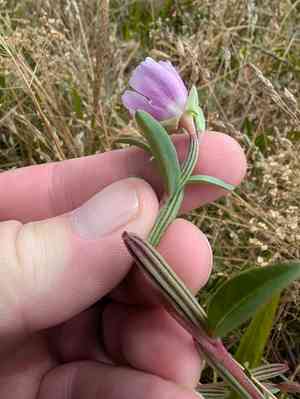
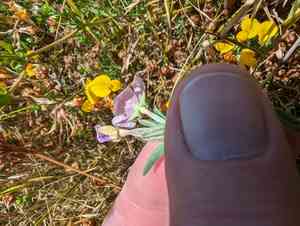
Clarkia davyi can be identified by its small, bright pink to purplish four-petaled flowers that form delicate clusters. Its slender stems and narrow, lanceolate leaves are also characteristic.
Scientific Classification of Davy's clarkia
Phylum
Vascular plants
Class
Dicotyledons
Order
Myrtales
Family
Evening primrose
Genus
Clarkia
Species
Davy's clarkia
Planting and Growing of Davy's clarkia
Care Difficulty
Moderate
Watering Schedule
Every 2 days
Sunlight Requirements
Full sun
Sunshine Duration
6-10 hours
Ideal Temperature
60-75℉
Soil Type
Potting Mix, Peat Mix
Soil pH
6.5-7.5
Fertilizer Type
Balanced
Pruning Season
Spring, Summer
Pruning Area
Branches, Leaves
Pruning Frequency
2 times a year
Repotting Season
Spring
Pot Type
Plastic, Ceramic
 How to Water Davy's clarkia?
For Clarkia davyi, the ideal watering amount is around 200ml. It prefers a well-drained soil and consistent moisture without being soggy. Water until the top layer of soil feels moist but not oversaturated.
What are the symptoms of an underwatered Davy's clarkia?
›
What should I do if my Davy's clarkia is not getting enough water?
›
What are the symptoms of an overwatered Davy's clarkia?
›
How to save an overwatered Davy's clarkia?
›
 What Are the Sunlight Requirements for Davy's clarkia?
Clarkia davyi thrives in full sun with 6 to 8 hours of direct sunlight. This ensures strong growth and optimal flowering, enhancing its visual appeal.
How much light is ideal for Clarkia davyi?
›
How to ensure ideal lighting conditions?
›
What are the benefits of ideal light conditions for Clarkia davyi?
›
 What Is the Ideal Temperature Range for Davy's clarkia?
The ideal temperature range for Clarkia davyi falls between 60°F and 75°F. This range facilitates optimal growth by providing a moderate climate that supports proper physiological functions within the plant. It helps ensure adequate energy and nutrient uptake essential for vibrant blooming.
 What Soil is Best for Davy's clarkia?
Clarkia davyi thrives in well-drained soils which prevent water accumulation around the roots. This is crucial for avoiding root rot and other water-related issues, promoting healthy growth. Moderate nutrient levels in the soil provide Clarkia davyi with the essential elements needed for growth and flowering. Too rich or too poor soils can negatively affect its development, so a balanced nutrient profile is key. The soil structure should be loose and aerated to allow for root expansion and adequate oxygenation. This promotes robust root systems, improving the plant's ability to absorb nutrients and water.
 How to Fertilize Davy's clarkia?
Clarkia davyi thrives with moderate fertilization. Use a balanced liquid fertilizer diluted to half strength. For slow-release fertilizers, apply according to the product instructions but ensure the granules are evenly spread to avoid root damage.
 How to Prune Davy's clarkia?
Begin by inspecting the plant for any dead or diseased stems and remove them first. Locate branches that are crossing or growing inward and trim these to improve airflow and shape. Prune right above a node at a 45-degree angle to promote healthy growth.
More About Pruning Techniques→
 How to Propagate Davy's clarkia plant?
1
Start with a well-draining potting mix. Fill the seed tray with the soil, ensuring it's evenly spread and slightly moistened. The soil should support healthy root growth and retain some moisture without becoming waterlogged.
2
Sprinkle Clarkia davyi seeds evenly across the soil surface. Lightly press them into the soil, but do not bury them too deep as they require light for germination. Cover lightly with a thin layer of soil or vermiculite.
3
Place the seed tray in a warm location with indirect sunlight. Aim to maintain consistent temperatures between 18-21°C (65-70°F). Keep the soil evenly moist but avoid overwatering, which can lead to seed rot.
 How to Repot Davy's clarkia plant?
1
Repot Clarkia davyi when you see roots emerging from the pot's drainage holes or when the plant shows signs of stunted growth. The best time is during early spring to minimize stress. This timing aligns with the plant's natural growth cycle, promoting optimal recovery and acclimatization.
2
Choose a pot that's one size larger than the current one. Ensure it has ample drainage holes to prevent waterlogging, which can lead to root rot. Opting for a slightly larger pot provides the roots more space to grow and allows for proper aeration.
3
Use a well-draining sandy loam mix for repotting Clarkia davyi. This type of soil maintains a balance between moisture retention and drainage, which is crucial for preventing root rot and facilitating essential oxygen flow to the roots.
Learn More About Davy's clarkia Diseases
Anthracnose
Bacterial Leaf Spot
Bacterial Soft Rot
Bacterial Wilt
Black Spot
Chemical Injury
Crown Gall
Cyst Nematode
Damping-off
Downy Mildew
Drought Stress
Fusarium Wilt
Gray Mold
Leaf Curl
Leaf Spot
Mosaic
Nutrient Deficiency
Nutrient Toxicity
Powdery Mildew
Root Rot
Root-knot Nematode
Rusts
Sooty Mold
Spider Mites
Temperature Stress
Thrips Damage
White Mold



