How to Transplant Tweedy's pussypaws?
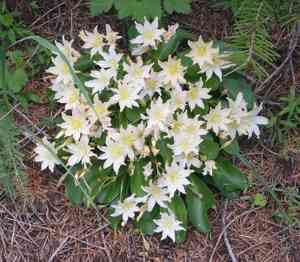
The ideal time for transplanting tweedy's pussypaws is during the spring renewal phase, offering an excellent combination of mild warmth and workable soil. Select a brightly lit, adequately draining location and, throughout the procedure, exercise caution to safeguard fragile root systems.
Essential Preparations Before Relocating Tweedy's Pussypaws?
Optimal Timing for Transplanting Tweedy's Pussypaws?
Early spring, with its moderate temperatures, is ideal for relocating tweedy's pussypaws, promoting vigorous development. Moving it during this period ensures tweedy's pussypaws benefits from prime soil conditions and extended daylight, allowing it to establish a robust root system prior to summer's peak. Introducing your tweedy's pussypaws to a new spot at this time can foster healthier growth and a more vibrant display of its distinctive foliage and blooms. This timely relocation can be key to seeing your tweedy's pussypaws flourish through the seasons.
Required Spacing Between Tweedy's Pussypaws Plants?
When providing adequate room for your tweedy's pussypaws, they appreciate having some clearance. Therefore, during transplantation, ensure you position them approximately 1 - 1.5 feet (30.5 - 45.7 cm) apart. This provides ample space for growth without competition for nutrients!
Best Soil Blend for Tweedy's Pussypaws Transplanting?
Ready to prepare the perfect environment for your tweedy's pussypaws? The preferred soil type is well-draining, sandy or loamy. Incorporating a base fertilizer rich in phosphorus will give them a strong start. Remember, a thriving plant in suitable soil is a healthy plant!
Optimal Location for Relocating Your Tweedy's Pussypaws?
Finding the correct site for your tweedy's pussypaws is crucial. These plants flourish in full sunlight. So, ensure you select a location that receives abundant sunshine throughout the day. This sun-loving characteristic makes them an excellent choice for areas with significant direct sunlight!
Tools to Prepare Before Transplanting Tweedy's Pussypaws?
Shovel or Trowel
These implements are vital for excavating the hole where the tweedy's pussypaws will be placed. A trowel is suitable for smaller areas, while a shovel is better for larger ones.
Gardening Gloves
To safeguard your hands while handling soil and the plant. The tweedy's pussypaws might have sharp edges that could injure your hands, so gloves are essential.
Watering Can
Post-transplantation, the tweedy's pussypaws will require generous watering to aid its establishment in the new spot.
Wheelbarrow
If you are relocating a larger tweedy's pussypaws plant, a wheelbarrow can significantly simplify its transport.
Pruning Shears
Occasionally, it's necessary to remove damaged or diseased branches before or after transplanting to encourage healthy new growth.
How to Extract Tweedy's Pussypaws from the Soil?
How to Extract Tweedy's Pussypaws from the Soil?
From Ground: First, hydrate the tweedy's pussypaws plant the day before you intend to transplant it. This will make the soil easier to manage and reduce plant stress. Then, excavate a circle around the tweedy's pussypaws using a shovel, ensuring the entire root system remains intact. Carefully lift the plant from its original position, taking care not to harm the roots.From Pot: Water the tweedy's pussypaws thoroughly, then gently tip the pot onto its side and carefully slide the plant out. Try to retain as much soil around the roots as possible to minimize plant stress.From Seedling Tray: Delicate tweedy's pussypaws seedlings should be watered first. Then, using a spoon or small tool, gently push up from the bottom and lift the seedling out, being careful not to damage the fragile roots.
Step-by-Step Guide for Relocating Tweedy's Pussypaws
Excavation
Start by digging a hole that is twice the width and equal in depth to the tweedy's pussypaws's root ball. The wide hole will provide ample room for the roots to spread and develop.
Positioning
Next, place the tweedy's pussypaws into the hole, ensuring the top of the root ball is level with or slightly below the soil surface. Backfill the hole with the soil you previously removed.
Hydration
After planting, thoroughly water the tweedy's pussypaws using a watering can or hose, ensuring the soil is well saturated. This will help settle the soil and eliminate any air pockets around the roots.
Mulching
Finally, consider applying a two-inch layer of organic mulch around the tweedy's pussypaws to conserve moisture and help suppress weeds. Keep the mulch a few inches away from the stem to prevent rot.
Post-Transplantation Care for Tweedy's Pussypaws?
Watering
The tweedy's pussypaws will require consistent watering after relocation. A deep watering is often more beneficial than several shallow waterings, as it encourages deeper root growth. Adjust watering frequency as needed based on rainfall.
Pruning
Remove any dead or damaged growth using clean pruning shears. This will help the tweedy's pussypaws prioritize root establishment, rather than expending energy on unhealthy foliage.
Observation
Monitor your tweedy's pussypaws closely for the initial weeks following transplantation. Watch for indicators of stress, such as wilting, yellowing leaves, or stunted growth. If these signs appear, you may need to modify your care routine or seek advice from a local nursery.
Resolving Common Issues with Tweedy's Pussypaws Transplantation.
When is the ideal time of year for transplanting tweedy's pussypaws?
Transplanting tweedy's pussypaws is most effective during S1. This timing allows the plant sufficient time to establish before its active growth phase begins.
How much space does tweedy's pussypaws require?
Tweedy's pussypaws plants thrive best when spaced approximately 1-1.5 feet (30-45 cm) apart. This promotes healthy air circulation and development.
What should I do if tweedy's pussypaws's leaves yellow after transplantation?
Yellowing leaves might indicate water stress. Ensure you are neither overwatering nor underwatering tweedy's pussypaws. Always maintain moderately moist soil.
Can tweedy's pussypaws tolerate significant sunlight?
Tweedy's pussypaws plants enjoy full to partial sunlight. However, they need some shade during the hottest parts of the day to prevent scorching.
Should I prune tweedy's pussypaws after transplanting?
Not immediately! Allow tweedy's pussypaws some time to recover from transplantation stress. Once settled, light pruning can help stimulate new growth.
What type of soil does tweedy's pussypaws prefer?
Tweedy's pussypaws prefers well-draining soil. It can endure poor soil, but excessive clay can lead to root rot, so consider a sandy or loamy mixture.
Why is tweedy's pussypaws not flowering after transplantation?
Post-transplant stress might temporarily inhibit flowering. Ensure tweedy's pussypaws is adequately watered, receives sufficient sunlight, and consider a balanced, slow-release fertilizer to encourage blooming.
How should I water tweedy's pussypaws after transplantation?
Water thoroughly immediately after transplanting. Afterward, keep the soil consistently moist but avoid waterlogging. Adjust based on weather conditions to prevent water stress.
Can I transplant tweedy's pussypaws into a pot?
Absolutely! Ensure the pot has adequate drainage holes and depth to accommodate tweedy's pussypaws's root system. Always use well-draining potting soil.
When is the right time to fertilize tweedy's pussypaws after transplantation?
Wait a few weeks after transplantation, then use a slow-release fertilizer to promote healthy growth. Be careful not to over-fertilize, as it can lead to burn and excessive leafy growth.



