How to Transplant Meadow thistle?
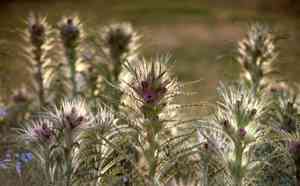
The optimal period for relocating meadow thistle occurs when fresh development commences, generally during the early to mid-spring season. A site offering abundant solar exposure and adequately draining earth is ideal for meadow thistle, with occasional pruning of tips improving outcomes.
What Preparations are Needed Before Transplanting Meadow Thistle?
What is the Ideal Time for Transplanting Meadow Thistle?
The optimal period for relocating meadow thistle is from late winter's end to the gentle warmth of spring, typically from the first signs of growth until mid-spring's full bloom. Moving meadow thistle during these active months aligns with its natural growth cycle, promoting root establishment and minimizing transplant stress. This timing enhances meadow thistle's vigor, ensuring it flourishes in its new spot with the season's full growth potential.
How Much Space Should You Leave Between Meadow Thistle Plants?
Start by marking out the areas for meadow thistle transplantation, maintaining a separation of 18-24 inches (45-60 cm) between each specimen. This provides ample room for them to thrive without competing for nutrients or sunlight.
What is the Best Soil Mix for Meadow Thistle Transplanting?
Prepare a bed with soil that drains well and is rich in organic material. Incorporate a balanced, slow-release fertilizer to give meadow thistle a strong start. Aim for a pH level between 6.0 and 7.0 for optimal development.
Where Should You Relocate Your Meadow Thistle?
Select a site that receives full sun to partial shade, as meadow thistle flourishes with abundant sunlight. If your garden has varied light, choose a spot where direct sunlight is present for at least six hours daily.
What Equipments Should You Prepare Before Transplantation Meadow Thistle?
Gardening Gloves
To safeguard your hands while handling soil and plants.
Shovel or Spade
For carefully excavating meadow thistle with minimal root disturbance.
Hand Trowel
To refine the planting hole or remove smaller vegetation.
Watering Can or Hose
To hydrate meadow thistle before and after its relocation.
Pruning Shears
For trimming any damaged roots or foliage.
Garden Fork
For loosening the soil in the designated transplant area.
Mulch
To aid in retaining soil moisture and suppressing weeds.
Wheelbarrow
To easily transport meadow thistle and soil.
How Do You Remove Meadow Thistle from the Soil?
How Do You Remove Meadow Thistle from the Soil?
From Ground: Water meadow thistle thoroughly before transplanting to ensure the soil is moist, which facilitates easier removal without root damage. Dig a wide circle around the root ball with a shovel or spade, going deep enough to encompass most of the roots. Gently slide the spade beneath the root ball to lift the plant from the ground.From Pot: Water meadow thistle completely. Turn the pot sideways and gently tap the bottom to loosen the plant. Support the plant at its base and slowly slide it out. If the plant is root-bound, carefully separate the tangled roots.From Seedling Tray: Water the tray to moisten the soil and roots. Use a hand trowel or your fingers to carefully lift the seedling by its leaves, not the stem, and ease the root ball out of its cell.
Step-by-Step Guide for Transplanting Meadow Thistle
Prepare New Location
Excavate a hole in the prepared area that is twice the width of meadow thistle's root ball and of equal depth. Loosen the soil at the bottom of the hole using a garden fork.
Root Ball Inspection
Examine the root ball, and with pruning shears, trim any damaged or excessively long roots. This promotes healthy new root development.
Plant Positioning
Position meadow thistle in the center of the hole. The top of the root ball should be level with the surrounding soil surface.
Refilling Hole
Gently backfill the hole with soil, lightly tamping around the plant as you proceed to eliminate air pockets.
Watering
Water meadow thistle deeply immediately after transplanting to settle the soil and hydrate the roots.
Mulching
Apply a layer of mulch around the base of meadow thistle but not touching the stems to conserve moisture and regulate soil temperature.
Supporting the Plant
If meadow thistle is tall or top-heavy, use supports like stakes to keep the plant upright and protect it from wind damage.
How Do You Care For Meadow Thistle After Transplanting?
Initial Watering
Continue to water meadow thistle deeply and consistently for the initial few weeks, decreasing frequency as the plant establishes itself.
Monitoring
Observe meadow thistle for indications of stress, such as wilting or discolored leaves, and adjust care as needed.
Support Adjustments
Check and adjust stakes or supports as meadow thistle grows to ensure they are not too tight and cutting into the plant's stems.
Seasonal Care
As a biennial/perennial, meadow thistle may exhibit variations in growth and blooming patterns; recognize this as a natural part of its life cycle.
Troubleshooting Common Issues with Meadow Thistle Transplantation.
What's the best time to transplant meadow thistle for successful growth?
The ideal time for transplanting meadow thistle is early to mid-spring when the soil is workable and temperatures are mild.
How far apart should I space meadow thistle when transplanting?
Meadow thistle thrives with ample room to grow. Space them approximately 18-24 inches (45-60 cm) apart.
How deep should I plant meadow thistle during transplantation?
Plant meadow thistle's root ball at the same depth it was in its previous container, ensuring good root-to-soil contact.
Why is my meadow thistle wilting after transplanting?
Meadow thistle may wilt due to transplant shock. Ensure sufficient watering and keep it out of direct sunlight for a few days to aid recovery.
Can I transplant meadow thistle when it's flowering or should I wait?
For less stress on meadow thistle, transplant before it flowers, when the plant is still prioritizing root development.
Is it necessary to prune meadow thistle before transplanting?
Light pruning can help meadow thistle focus on establishing roots. Only remove damaged or excessively long stems.
What type of soil is best for transplanting meadow thistle?
Meadow thistle prefers well-drained soil rich in organic matter. Amend the soil with compost before transplanting for optimal results.
How much water does meadow thistle need after transplanting?
Meadow thistle requires consistent moisture. Water thoroughly after transplanting and maintain damp soil for 1-2 weeks.
Why are my meadow thistle seedlings not thriving post-transplant?
Ensure meadow thistle isn't planted too deep or shallow, and that it's in a location with adequate sunlight and moisture.
Should I fertilize meadow thistle immediately after transplanting?
Wait to fertilize meadow thistle until it is established, about 4-6 weeks after transplanting, to prevent root burn.



