How to Transplant Cirsium pugnax?
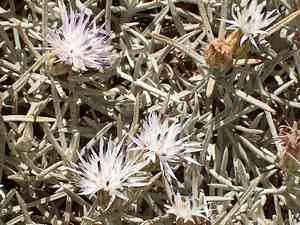
Cirsium pugnax, a striking biennial, flourishes most effectively when relocated in the middle to latter part of spring, benefiting from ideal ground and atmospheric circumstances. Select a bright spot featuring soil that drains efficiently. Refrain from moving the plant during intense heat to guarantee successful rooting.
What Preparations are Needed Before Relocating Cirsium Pugnax?
What is the Ideal Time for Relocating Cirsium Pugnax?
The optimal period for moving cirsium pugnax is during early to mid-spring. This timing allows the plant to establish its root system prior to the summer heat. Spring relocation offers cirsium pugnax an extensive growing season to mature, maximizing its potential for development and hardiness.
How Much Space Should You Leave Between Cirsium Pugnax Plants?
When relocating cirsium pugnax, ensure a spacing of approximately 12-18 inches (30-45 cm) between them. This provides each plant sufficient room to grow without crowding, promoting healthy development for all your specimens.
What is the Best Soil Mix for Cirsium Pugnax Relocation?
Prepare the soil for cirsium pugnax by ensuring it drains well and has a neutral pH. Incorporate some organic compost or a balanced base fertilizer to enrich the soil and supply essential nutrients for your plants.
Where Should You Relocate Your Cirsium Pugnax?
Select a site that receives at least 6-8 hours of full sunlight daily. Cirsium pugnax thrives in sunny locations, which encourages robust growth and abundant blooms.
What Equipment Should You Prepare Before Relocating Cirsium Pugnax?
Gardening Gloves
To safeguard your hands while handling soil and plants.
Hand Trowel
For excavating small holes and working around the plant's root system.
Shovel or Spade
To dig larger holes and trenches surrounding the plant.
Watering Can or Hose
To hydrate the plant both before and after its relocation.
Pruning Shears
For trimming any damaged roots or stems.
Wheelbarrow
To move the plant if it is large and heavy.
Stakes and Ties
To offer support for the plant after relocation if necessary.
How Do You Remove Cirsium Pugnax from the Soil?
How Do You Remove Cirsium Pugnax from the Soil?
From Ground: First, water the cirsium pugnax plant to moisten the soil. Then, dig a wide trench around the plant using a shovel or spade, ensuring the plant's root ball remains intact. Carefully work the spade beneath the root ball to lift the plant from its original spot.From Pot: Water the cirsium pugnax plant thoroughly to help the soil cohere. Gently compress the sides of the pot to loosen the soil. Grasp the base of the plant and carefully tilt the pot to slide the plant out, keeping the root ball whole.From Seedling Tray: Water the cirsium pugnax seedlings before moving them. Use a hand trowel or your fingers to lift the seedlings, making sure to keep the soil around the roots intact. Handle the seedlings delicately to prevent root damage.
Step-by-Step Guide for Relocating Cirsium Pugnax
Site Preparation
Prepare the new spot by digging a hole twice as wide and the same depth as the root ball of the cirsium pugnax plant.
Soil Enrichment
Incorporate compost or organic matter into the soil within the hole to supply nutrients for the plant.
Relocating
Position the cirsium pugnax plant in the hole and backfill with soil, ensuring the root collar is level with the ground surface.
Firming the Soil
Gently press the soil around the plant's base to eliminate air pockets and provide stability.
Watering
Water the plant thoroughly immediately after relocation to help settle the soil and establish roots.
Staking
If the plant is tall or spindly, provide support using stakes and ties to prevent it from toppling over.
How Do You Care For Cirsium Pugnax After Relocation?
Mulching
Apply a layer of mulch around the base of the cirsium pugnax to retain moisture, suppress weeds, and regulate soil temperature.
Watering
Keep the soil around the cirsium pugnax consistently moist, but not waterlogged, for the initial few weeks after relocation to help establish strong roots.
Monitoring
Regularly inspect the plant for signs of stress or pests and take appropriate action if necessary.
Feeding
After a few weeks, begin feeding the cirsium pugnax with a balanced fertilizer to encourage healthy growth.
Protection
If relocating in the fall, shield the cirsium pugnax from frost with a temporary cover or cloche.
Troubleshooting Common Issues with Cirsium Pugnax Relocation.
When is the best time to relocate cirsium pugnax?
Relocate cirsium pugnax in early to mid-spring for optimal growth conditions and success.
How far apart should I space cirsium pugnax plants?
Space cirsium pugnax plants 12-18 inches (30-45 cm) apart for adequate growth and airflow.
What type of soil is ideal for cirsium pugnax?
Cirsium pugnax thrives in well-draining soil rich in organic matter.
Should I water cirsium pugnax immediately after relocating?
Yes, water cirsium pugnax thoroughly to help settle the soil and reduce relocation shock.
How do I handle relocation shock in cirsium pugnax?
Keep soil consistently moist and provide partial shade if needed to help cirsium pugnax recover.
What size should the relocation hole be for cirsium pugnax?
Dig a hole twice the width and the same depth as the root ball of cirsium pugnax.
How can I prevent root damage when relocating cirsium pugnax?
Gently loosen the soil and carefully lift cirsium pugnax by the root ball to avoid damage.
Should I fertilize cirsium pugnax after relocating?
Lightly fertilize cirsium pugnax with a balanced fertilizer to encourage root establishment.
How much sunlight does cirsium pugnax need after relocating?
Cirsium pugnax prefers full sun to partial shade for healthy growth.
What should I do if cirsium pugnax wilts after relocating?
Ensure proper watering, reduce direct sun exposure temporarily, and check for poor drainage or pests.



