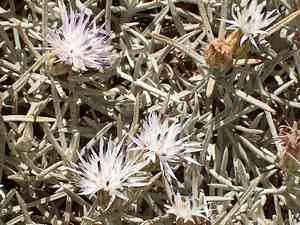
Cirsium pugnax (Cirsium pugnax)
Also known as: Southern Bull Thistle, Spiny Thistle
Cnicus benedictus, the only species in the monotypic genus Cnicus, is recognized in various regions, including parts of North America, as an introduced species and frequently a troublesome weed. Many species previously classified under Cnicus have been reassigned to genera such as Cirsium, Carduus, and Centaurea.
In This Article
Attributes of Cirsium pugnax
Lifespan
Biennial
Plant Type
Herb
Plant Height
2 to 5 feet
Spread
2 to 3 feet
Leaf Color
Green with a woolly white underside
Flower Size
1 to 2 inches
Flower Color
Purple
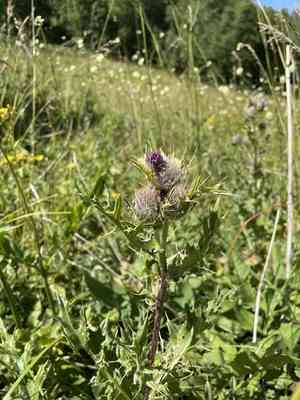
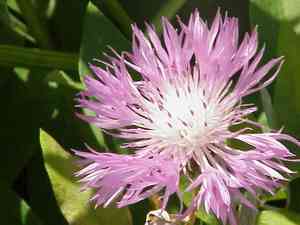
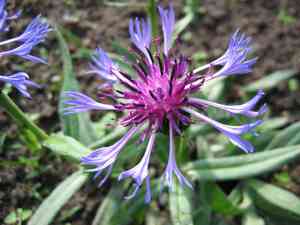
Images of Cirsium pugnax
Quickly Identify Cirsium pugnax
1
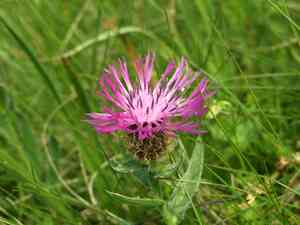
The Southern Bull Thistle can be identified by its deeply lobed, spiny leaves that have a woolly underside. The flower heads are typically purple with rigid, spiny bracts surrounding them.
Scientific Classification of Cirsium pugnax
Phylum
Vascular plants
Class
Dicotyledons
Order
Asterales
Family
Daisy
Genus
Thistles
Species
Cirsium pugnax
Planting and Growing of Cirsium pugnax
Care Difficulty
Moderate
Watering Schedule
Every 3 days
Sunlight Requirements
Partial sun
Sunshine Duration
6-10 hours
Ideal Temperature
60-75℉
Soil Type
Potting Mix, Peat Mix
Soil pH
6.5-7.5
Fertilizer Type
Balanced
Pruning Season
Spring, Summer
Pruning Area
Branches, Leaves
Pruning Frequency
2 times a year
Repotting Season
Spring
Pot Type
Ceramic, Plastic
 How to Water Cirsium pugnax?
Cirsium pugnax prefers a deep and thorough watering that soaks into the soil, typically around 500 milliliters per session. Ensure the water reaches the roots without leaving the soil waterlogged, striking a balance that keeps the soil consistently moist yet well-draining.
What are the symptoms of an underwatered Cirsium pugnax?
›
What should I do if my Cirsium pugnax is not getting enough water?
›
What are the symptoms of an overwatered Cirsium pugnax?
›
How to save an overwatered Cirsium pugnax?
›
 What Are the Sunlight Requirements for Cirsium pugnax?
Cirsium pugnax benefits from partial sun exposure, ideally receiving 4 to 6 hours of sunlight. This encourages healthy growth, vibrant leaves, and optimal flowering, enhancing its vibrancy and robustness.
What is the plant's ideal lighting?
›
How to achieve the ideal lighting?
›
What benefits arise from ideal lighting?
›
 What Is the Ideal Temperature Range for Cirsium pugnax?
Cirsium pugnax thrives best within a temperature range of 60°F to 75°F. This ensures that the plant undergoes optimal photosynthesis, growth, and development without any stress induced by low or high temperatures.
 What Soil is Best for Cirsium pugnax?
Cirsium pugnax thrives in nutrient-rich soil, as it provides essential minerals and supports healthy growth. Rich soil encourages robust root development and vibrant foliage. A well-drained soil is crucial to prevent waterlogging, which can lead to root rot. Ensuring good drainage maintains the plant's structural integrity and promotes healthy growth. Maintaining stable moisture levels helps Cirsium pugnax avoid drought stress. Consistent moisture ensures steady nutrient uptake and optimal photosynthesis.
 How to Fertilize Cirsium pugnax?
For Cirsium pugnax, use a balanced liquid fertilizer diluted to half strength during the growing season. A general guideline is to apply about 1/2 to 1 teaspoon of diluted fertilizer per plant, depending on its size and growth stage. Be careful not to over-fertilize, as this can cause more harm than good.
 How to Prune Cirsium pugnax?
Before you begin pruning Cirsium pugnax, ensure that you have sharp, clean tools. Use a bypass pruner for precision cuts on this plant. Sharp tools will help you achieve clean cuts without damaging the plant tissue. Start by removing any dead or diseased stems. This will not only help the plant grow healthier but also improve its overall appearance. After clearing out the unhealthy stems, focus on shaping the plant to allow better light penetration and air circulation. For Cirsium pugnax, it's important to prune spent flowers and seed heads. This step encourages additional blooming and prevents the plant from becoming too seedy, which could otherwise hamper its aesthetic appeal.
More About Pruning Techniques→
 How to Propagate Cirsium pugnax plant?
1
Start by filling a seed tray with a well-draining soil mix. Sow Cirsium pugnax seeds evenly and cover them lightly with soil. Water gently and place the tray in a warm, sunny location. Keep the soil moist but not waterlogged.
2
Select healthy stems from the parent plant and cut them using pruning shears. Ensure each cutting is about 4-6 inches long. Remove lower leaves and dip the cut end in rooting hormone before planting them in a potting mix.
3
In early spring, dig up the entire Cirsium pugnax plant. Carefully divide the root ball into sections using a sharp knife or spade. Ensure each section has roots and shoots. Replant divisions promptly in well-prepared soil.
 How to Repot Cirsium pugnax plant?
1
Cirsium pugnax should be repotted when the roots start to protrude from the drainage holes or the plant's growth seems stunted. This typically indicates that the plant has outgrown its current pot and needs more space to expand. A visual cue is when the plant looks too large for its pot or when water takes longer to be absorbed, indicating compacted soil.
2
When selecting a pot for Cirsium pugnax, choose one that is about 2 inches larger in diameter than the current one. Ensure it has adequate drainage holes to prevent waterlogging, which can lead to root rot. The right pot provides stability and facilitates healthy root development, leading to a more robust plant.
3
Opt for a well-draining loamy mix that maintains moisture without retaining excess water. This blend ensures that Cirsium pugnax has proper air circulation around its roots while supplying enough nutrients for healthy growth. The right soil reduces risks of overwatering and contributes to an optimal growing environment.
Learn More About Cirsium pugnax Diseases
Anthracnose
Bacterial Leaf Spot
Bacterial Soft Rot
Bacterial Wilt
Chemical Injury
Crown Gall
Cyst Nematode
Damping-off
Downy Mildew
Drought Stress
Fusarium Wilt
Gray Mold
Leaf Spot
Mosaic
Nutrient Deficiency
Nutrient Toxicity
Powdery Mildew
Root Rot
Root-knot Nematode
Rusts
Sooty Mold
Spider Mites
Temperature Stress
Thrips Damage
White Mold



