How to Transplant Dwarf thistle?
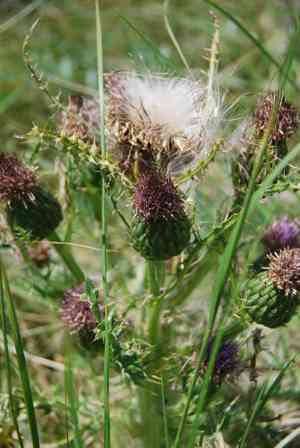
Dwarf thistle flourishes when relocated between the beginning and end of spring, preferring areas that receive abundant sunlight and possess soil with good drainage. Securing a site with these attributes will aid dwarf thistle in developing a robust root structure.
What Preparations are Needed Before Transplanting Dwarf Thistle?
What is the Ideal Time for Transplanting Dwarf Thistle?
For best outcomes, move dwarf thistle during the initial to latter part of spring. This timing allows the plant to settle in prior to summer's heat, boosting root development and lessening transplant stress. Spring conditions offer ample moisture and moderate temperatures, vital for the biennial's life cycle.
How Much Space Should You Leave Between Dwarf Thistle Plants?
When relocating dwarf thistle, ensure a spacing of approximately 24-36 inches (60-90 cm) between them. This distance permits comfortable growth without overcrowding, which encourages robust development and minimizes competition for nutrients and sunlight.
What is the Best Soil Mix for Dwarf Thistle Transplanting?
Prepare the soil for dwarf thistle by ensuring it drains well and is rich in organic material. Incorporating compost or aged manure into the soil can be advantageous. Consider using a balanced base fertilizer to support its biennial growth, as this will supply essential nutrients throughout its lifespan.
Where Should You Relocate Your Dwarf Thistle?
Place dwarf thistle in a spot that receives full sun, meaning about 6-8 hours of direct sunlight daily. This guarantees the plant gets sufficient light for photosynthesis, leading to vigorous growth and vibrant foliage.
What Equipments Should You Prepare Before Transplantation Dwarf Thistle?
Gardening Gloves
To safeguard your hands while handling soil and the plant.
Shovel or Spade
To excavate the plant from its original spot and prepare the new planting area.
Trowel
Useful for digging smaller holes and working in confined spaces.
Watering Can or Hose
To hydrate the plant before and after its relocation.
Bucket
For moving the plant if necessary.
Mulch
To aid in retaining soil moisture post-transplanting.
Stake and ties
To support the plant if needed, especially if it's tall or if the weather is windy.
How Do You Remove Dwarf Thistle from the Soil?
How Do You Remove Dwarf Thistle from the Soil?
From Ground: First, moisten the dwarf thistle plant to dampen the soil. Then, dig a wide trench around the plant using a shovel or spade, ensuring the plant's root ball remains intact. Carefully work the spade under the root ball to lift the plant from its original location.From Pot: Gently tap the sides of the pot to loosen the soil. Tilt the pot and carefully slide out the dwarf thistle plant while supporting the root ball. If the plant is stuck, you can run a knife or trowel around the edge of the pot to loosen it.From Seedling Tray: Use a small trowel or your fingers to gently lift the dwarf thistle plant from the tray. Be very careful to keep the root ball and soil intact. You can push from the bottom of the tray to help loosen the plant.
Step-by-Step Guide for Transplanting Dwarf Thistle
Hole Preparation
Excavate a hole in the new site that is twice as wide and the same depth as the dwarf thistle's root ball. This allows the roots to spread out comfortably.
Plant Placement
Carefully position the dwarf thistle plant into the hole, ensuring the top of the root ball is level with or slightly above the surrounding soil. This prevents crown rot and promotes proper growth.
Backfill
Refill the hole with the original soil you removed, gently pressing it down to eliminate air pockets. Avoid over-compacting the soil, as this can impede root growth.
Watering
Thoroughly water the dwarf thistle plant immediately after transplanting to help settle the soil around the roots and reduce transplant shock.
Mulching
Apply a layer of mulch around the plant's base to help retain moisture and suppress weeds. Just be sure not to pile the mulch against the stem, as this can lead to rot.
How Do You Care For Dwarf Thistle After Transplanting?
Watering
Keep the soil around the dwarf thistle consistently moist, but not waterlogged, for the initial weeks post-transplant to aid in establishing strong roots.
Monitoring
Regularly inspect your dwarf thistle plant for indications of stress, such as wilting or yellowing leaves. Address any issues promptly to ensure healthy growth.
Weeding
Keep the area surrounding the dwarf thistle plant free of weeds, as they can compete for nutrients and water.
Protection
If the weather is particularly blustery or if your dwarf thistle plant is tall, consider using a stake and ties to provide support until the roots are well established.
Feeding
After a few weeks, you can begin feeding your dwarf thistle plant with a balanced fertilizer to encourage healthy growth.
Troubleshooting Common Issues with Dwarf Thistle Transplantation.
When is the best time to transplant dwarf thistle?
Relocate dwarf thistle from early spring to late spring for optimal outcomes.
How far apart should dwarf thistle be spaced?
Dwarf thistle should be spaced 24-36 inches (61-91 cm) apart to ensure healthy growth.
What type of soil is best for dwarf thistle?
Dwarf thistle thrives in well-drained, sandy or loamy soil. Ensure the soil is fertile.
How do I prepare the ground for transplanting dwarf thistle?
Remove weeds, turn the soil, and add compost or organic matter to enrich it.
How deep should I plant dwarf thistle seedlings?
Plant dwarf thistle seedlings at the same depth they were growing previously, usually 2-3 inches (5-7.5 cm).
How often should I water dwarf thistle after transplanting?
Water dwarf thistle deeply once a week, ensuring the soil stays consistently moist but not waterlogged.
What can I do if dwarf thistle shows signs of transplant shock?
Provide extra water and protect from direct sunlight to help dwarf thistle recover from transplant shock.
Should I fertilize dwarf thistle after transplanting?
Yes, use a balanced fertilizer after transplanting dwarf thistle to promote healthy growth. Follow package instructions.
How can I protect dwarf thistle from pests after transplanting?
Use organic pest control methods like neem oil or introduce beneficial insects to protect dwarf thistle.
When should I expect new growth after transplanting dwarf thistle?
Dwarf thistle typically shows new growth within 2-3 weeks if proper care is provided.



