How to Propagate Dwarf thistle?
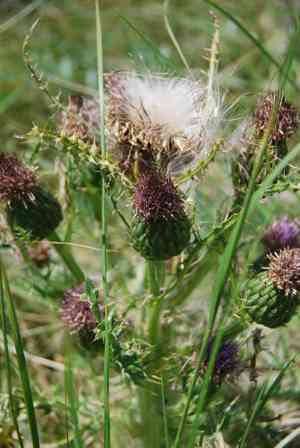
Cirsium acaule is a resilient perennial species recognized for its appealing spiny leaves and violet blossoms. For successful propagation of Cirsium acaule, guarantee that seeds are exposed to ample sunlight and well-draining substrate. It is crucial to sustain dampness throughout the germination phase, yet prevent excessive saturation. Implement a cold stratification period to boost germination success. Relocate young plants once they have developed several true leaves. Adhering to these guidelines will facilitate effective propagation.
Optimal Time for Dwarf Thistle Propagation
Propagation Method
Seeding
Propagation Period
Spring
Tools for Dwarf Thistle Propagation
Seed Tray
A seed tray offers a controlled setting for germinating dwarf thistle seeds. It keeps seeds compact and organized, facilitating efficient growth and management.
Seed Compost
Specialized seed compost provides the necessary nutrients and proper drainage for dwarf thistle seeds to sprout successfully. It creates an ideal growing medium, encouraging healthy root development.
Fine Sieve
A fine sieve is utilized to lightly cover dwarf thistle seeds with a thin layer of soil or compost. This ensures even coverage and proper contact with the growing medium, vital for germination.
Watering Can with Fine Rose
A watering can equipped with a fine rose delivers gentle watering, crucial for preventing displacement of delicate dwarf thistle seeds while ensuring they receive adequate moisture.
Plant Labels
Plant labels assist in tracking sowing dates and seed types. Labeling trays or pots prevents confusion, especially when managing multiple plant varieties in a propagation area.
Propagator Lid
A propagator lid maintains a warm and humid environment favorable for dwarf thistle seed germination. It significantly boosts sprouting rates by protecting against drying out and cold drafts.
Heating Mat
A heating mat is essential for maintaining a consistent, warm temperature that enhances the germination rate of dwarf thistle. It particularly helps during cooler months, ensuring optimal soil temperature.
How to Propagate Dwarf Thistle?
Propagation Type
Simple
Caring for Your Newly Propagated Dwarf Thistle
Caring for Your Newly Propagated Dwarf Thistle?
After propagation, maintain consistent moisture without overwatering. Provide full sun exposure and ensure good air circulation to prevent fungal issues. Regularly check for pests and remove competing weeds. Fertilize sparingly, as dwarf thistle thrives in lean soil.
Common Mistakes to Avoid When Propagating Dwarf Thistle
Overwatering
Excessive water can lead to root rot as dwarf thistle prefers well-drained soil.
Improper Soil
Using rich, heavily fertilized soil can stunt growth since dwarf thistle thrives in nutrient-poor conditions.
Lack of Sunlight
Dwarf thistle requires full sun; insufficient light can weaken the plant and hinder propagation.
Crowding
Planting too close together can inhibit airflow and increase susceptibility to fungal diseases.
Tips For Propagating Dwarf Thistle
Well-Drained Soil
Ensure the soil has good drainage to prevent water from stagnating around the roots.
Full Sun
Plant dwarf thistle in a location that receives plenty of sunlight to promote healthy growth.
Spacing
Maintain adequate spacing between plants to allow for proper airflow and growth.
Minimal Fertilization
Avoid over-fertilizing; dwarf thistle does well in soils with low nutrient content.



