How to Transplant Green and gold?
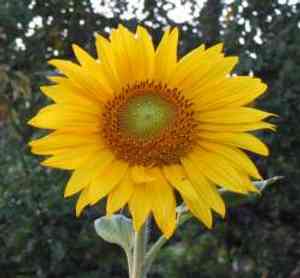
The ideal period for relocating green and gold is at the onset of spring, providing moderate temperatures conducive to root development. Select a location receiving filtered sunlight with damp earth, and carefully position each plant with adequate spacing for best development.
What Preparations are Needed Before Transplanting Green And Gold?
What is the Ideal Time for Transplanting Green And Gold?
The best period for moving green and gold to a new garden spot is during the initial warmth of early to mid-spring. This timeframe allows green and gold to establish roots in cool, damp soil, avoiding the stress of summer heat. Relocating green and gold at this point boosts its development, and abundant spring rain helps the plant recover and root. By selecting this season, you ensure a strong foundation for green and gold throughout the year.
How Much Space Should You Leave Between Green And Gold Plants?
When preparing to transplant green and gold, remember to provide ample room for each plant to develop. We suggest approximately 1-2 feet (0.3-0.6 meters) of distance between each specimen. This ensures they have sufficient space to flourish.
What is the Best Soil Mix for Green And Gold Transplanting?
Green and gold thrives in well-drained soil with a rich organic foundation. Preparing the soil with a base fertilizer will stimulate its growth. You can improve soil quality by incorporating compost or peat moss. This will guarantee the soil contains the essential nutrients your green and gold requires.
Where Should You Relocate Your Green And Gold?
Sunlight is crucial for green and gold's development. Consider placing them in an area where they receive partial to full sun exposure. However, they can also flourish in partly shaded spots. Remember, the correct balance of sunlight promotes vigorous growth.
What Equipments Should You Prepare Before Transplantation Green And Gold?
Gardening Gloves
To safeguard your hands while working with the soil and the green and gold plant.
Garden Trowel
A small hand tool essential for digging and extracting the green and gold plant from its previous location.
Shovel or spade
Utilized to excavate the new planting hole for your green and gold.
Watering Can
Ensuring the green and gold receives an adequate amount of water during and after transplanting is very important.
Organic Compost
To enrich the planting hole before transplanting the green and gold.
Supports (optional)
Stakes or other structural aids might be necessary if your green and gold plant is tall, to prevent it from bending or breaking.
How Do You Remove Green And Gold from the Soil?
How Do You Remove Green And Gold from the Soil?
From Ground: You'll first need to moisten the soil surrounding the green and gold plant, carefully excavate around it with a garden trowel or spade, avoiding any damage to the root system. Gently lift the plant from the ground, attempting to keep most of the root ball and soil intact.From Pot: If the green and gold is in a container, watering it beforehand can simplify the process. Turn the container sideways, gently holding the plant stems, and tap the bottom of its container until the plant slides out, keeping the root ball whole.From Seedling Tray: Lightly water the tray to dampen the soil. Push up from the bottom beneath each individual seedling section to pop the green and gold plant out. Always handle by their leaves or root ball, never by the stem.
Step-by-Step Guide for Transplanting Green And Gold
Preparation
Water the green and gold before you start and prepare your chosen site by digging a hole twice the width and the same depth as your plantâs root ball. Amend the planting hole with a generous amount of organic compost.
Planting
Carefully lower the plant into the hole, ensuring the top of the root ball is level with the soil surface. Backfill the hole with the soil you removed, compacting it firmly around the root ball. Make sure the plant is upright and not leaning to one side.
Watering
After transplanting, water the green and gold plant thoroughly. This will help settle the soil and minimize the shock of relocation.
Supporting
If needed, insert supports such as stakes and gently secure the plant to them.
How Do You Care For Green And Gold After Transplanting?
Watering
Following transplantation, the green and gold plant will require consistent irrigation. Keep the soil damp but prevent waterlogging.
Inspecting
Regularly check for indications of wilting or distress. If you observe leaves turning yellow or brown, adjust your care regimen accordingly.
Pruning
Pruning may be necessary if the plant has dead or damaged leaves or stems. This will encourage new growth and help the green and gold to focus its energy on establishing itself in its new location.
Feeding
After a few weeks, consider providing the green and gold with a low-phosphorous fertilizer to aid in developing stronger roots.
Troubleshooting Common Issues with Green And Gold Transplantation.
When is the best time to transplant green and gold?
The optimal period to transplant green and gold is during late winter or early spring (S1-S2). This increases its chances of survival and growth before the summer heat arrives.
How much space should be left between each green and gold when transplanting?
Ideally, green and gold should be spaced 1-2 feet apart (30.5â61.0 cm) during transplantation. This provides them with sufficient room for growth and ensures peak health and bloom.
What type of soil is suitable for transplanting green and gold?
Green and gold thrives best in moist, well-drained soil rich in organic matter. Avoid overly sandy or clay-heavy soils for successful transplantation.
How much sunlight does green and gold require post-transplantation?
Green and gold prefers partial shade to moderate sunlight. Excessive direct sun can scorch the leaves, and too little can hinder growth.
What is the suitable depth for planting green and gold during transplantation?
You should plant green and gold at the same depth it was previously growing, typically around 2-3 inches (5-7.5 cm) deep. This ensures roots are properly covered but not suffocated.
What type of fertilizer is ideal for green and gold after transplanting?
Green and gold benefits from a balanced fertilizer. A slow-release formula balanced for perennials (like a 10-10-10 NPK) should be applied when new growth emerges.
How to manage watering green and gold post-transplanting?
Green and gold prefers consistently moist soil, not waterlogged. Water thoroughly after transplanting, then adjust watering to maintain slight moisture without over-saturating.
What is the potential growth size for green and gold?
When provided with optimal growing conditions, green and gold can reach a height of 6 inches (15.24 cm) and spread of up to 2 feet (61 cm).
Should we prune green and gold after transplanting?
Pruning isn't essential immediately after transplanting, but gently trimming any overgrown foliage can encourage new growth and better shape green and gold.
What to do if green and gold doesn't seem to thrive after transplanting?
Ensure the green and gold is receiving adequate sunlight, water, and appropriate soil based on its needs. If problems persist, consider soil testing or consulting an expert.



