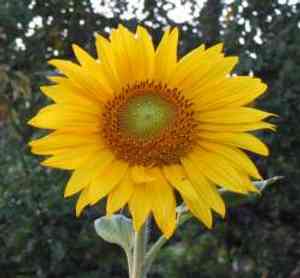
Green and gold (Chrysogonum virginianum)
Also known as: Golden Star , Goldenstar, Superstar
Golden Ragwort (Packera aurea) is a perennial plant native to the woodland areas of eastern North America. It typically reaches a height of 30 to 61 cm and spreads to about 46 cm wide. This plant thrives in shady environments and produces vibrant, golden yellow, star-shaped flowers during the spring and summer seasons, making it an excellent choice for ground cover in shaded areas.
In This Article
Attributes of Green and gold
Lifespan
Perennial
Plant Type
Herb
Plant Height
15 cm to 30 cm
Spread
30 cm to 60 cm
Leaf Color
Green
Flower Size
4 cm
Flower Color
Yellow
Images of Green and gold
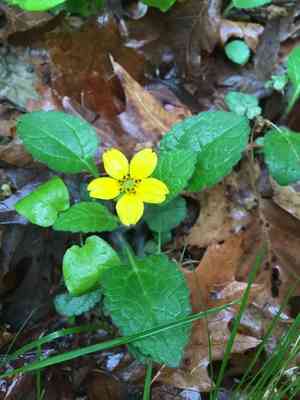
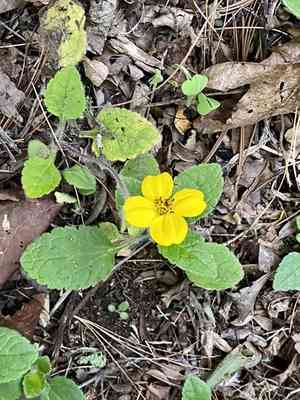
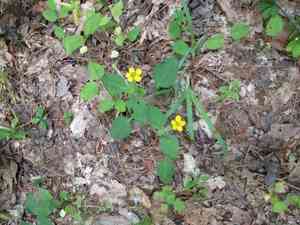
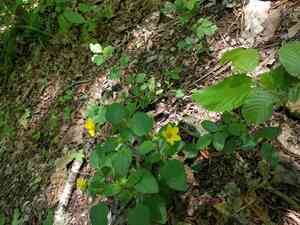
Quickly Identify Green and gold
1
Mat-forming growth habit, reaching 1-2 inches (2.5-5 cm) in height.
2
Bright yellow daisy-like flowers, 8-10 inches (20-25 cm) tall.
3
Small dry achenes, less than a quarter inch (6 mm) long, hidden beneath foliage.
4
Medium green ovate leaves with bluntly-toothed edges, 2-4 inches (5-10 cm) long.
5
Rhizomatous stems enabling controlled horizontal spread, up to 18 inches (45 cm).
Scientific Classification of Green and gold
Phylum
Vascular plants
Class
Dicotyledons
Order
Asterales
Family
Daisy
Genus
Chrysogonum
Species
Green and gold
Planting and Growing of Green and gold
Care Difficulty
Easy
Watering Schedule
Every 8 days
Sunlight Requirements
Partial sun
Sunshine Duration
6-12 hours
Ideal Temperature
60-75℉
Soil Type
Potting Mix, Peat Mix
Soil pH
6.5-7.5
Fertilizer Type
Balanced
Pruning Season
Spring, Summer
Pruning Area
Branches, Leaves
Pruning Frequency
2 times a year
Repotting Season
Spring
Pot Type
Ceramic, Plastic
 How to Water Green and gold?
Chrysogonum virginianum prefers consistent moisture to thrive, but be cautious not to waterlog it. When watering, aim to apply about 250ml, ensuring water soaks the soil thoroughly but does not leave it soggy. The key is to provide enough moisture to maintain a slightly damp environment without drowning the roots.
What are the symptoms of an underwatered Green and gold?
›
What should I do if my Green and gold is not getting enough water?
›
What are the symptoms of an overwatered Green and gold?
›
How to save an overwatered Green and gold?
›
 What Are the Sunlight Requirements for Green and gold?
Chrysogonum virginianum ideally enjoys partial sun conditions, promoting robust growth and prolific flowering. Balanced light encourages optimal photosynthesis and moisture retention, supporting a thriving, resilient plant that can withstand typical pest and disease challenges.
More About Sunlight Requirements Techniques→
What kind of light does Chrysogonum virginianum prefer?
›
How can I ensure the ideal lighting conditions for Chrysogonum virginianum?
›
What are the benefits of providing ideal lighting for Chrysogonum virginianum?
›
 What Is the Ideal Temperature Range for Green and gold?
For optimal growth, Chrysogonum virginianum prefers a temperature range between 60°F and 75°F. This range provides the ideal conditions for photosynthesis and overall metabolic activities to occur efficiently, thereby promoting healthy growth and flowering.
 What Soil is Best for Green and gold?
Chrysogonum virginianum thrives in well-drained soil, which prevents root rot and allows the roots to access oxygen easily. Well-drained conditions ensure that the plant remains healthy and lush. This plant prefers soil that is rich in nutrients, providing the essential minerals for robust growth. A fertile soil base enhances the plant's foliage and flower production significantly. While it needs good drainage, the soil should also retain some moisture to support continuous growth. Proper moisture levels promote strong root development and sustained plant vitality.
 How to Fertilize Green and gold?
Chrysogonum virginianum, commonly known as Green and Gold, responds well to balanced fertilizers with an NPK ratio of 10-10-10. When using liquid fertilizers, mix at a concentration of 1 tablespoon per gallon of water. Apply the solution evenly to the soil surface, ensuring all plant roots receive adequate nutrient coverage without over-saturating the soil.
 How to Prune Green and gold?
Once the blooms fade, trim them back to just above the first set of healthy leaves. This encourages the plant to focus energy on new growth and prevents it from expending energy on seed production. If the plant becomes too leggy or untidy, trim back the overgrown stems. Cut them back to a desired length to encourage a more compact and bushy growth habit, and to help the plant maintain a tidy appearance in your garden. Inspect the plant regularly for any damaged or discolored leaves. Remove these by cutting them at the base to improve the plant's air circulation and overall health, preventing potential disease from spreading.
More About Pruning Techniques→
 How to Propagate Green and gold plant?
1
Start by preparing a well-draining seed bed or tray. Fill it with a good quality seed starting mix, ensuring it is moist but not waterlogged.
2
Sprinkle the seeds evenly across the surface of the prepared seed bed. Cover lightly with a thin layer of the mix, and mist gently with water.
3
For division propagation, select a mature plant and carefully dig around its base. Use a sharp knife or spade to divide the plant into smaller sections, ensuring each section has roots.
 How to Repot Green and gold plant?
1
Look for signs that your Chrysogonum virginianum needs repotting if you notice roots emerging from the drainage holes, the soil dries out too quickly, or growth has slowed significantly. Spring or autumn are ideal seasons because the plant is more resilient during these times due to moderate temperatures and reduced stress. Repotting during these periods minimizes shock and allows roots to establish before harsh conditions.
2
When selecting a new pot for your Chrysogonum virginianum, opt for one that is slightly larger than the current one, ensuring it has adequate drainage holes. A pot that is one size larger prevents excessive soil moisture, which can lead to root rot. This also provides enough room for new root growth, supporting the plant's overall health and vigorous development.
3
Chrysogonum virginianum thrives in well-draining loamy soil that replicates its natural environment. A soil mix with organic matter and good aeration is ideal, as it prevents waterlogged conditions while retaining necessary moisture. The right soil mix enhances nutrient uptake and promotes healthy root development, crucial for the plant’s vitality and lush growth.
Learn More About Green and gold Diseases
Anthracnose
Bacterial Leaf Spot
Bacterial Wilt
Black Spot
Chemical Injury
Damping-off
Downy Mildew
Drought Stress
Fusarium Wilt
Gray Mold
Leaf Spot
Mosaic
Nutrient Deficiency
Nutrient Toxicity
Powdery Mildew
Root Rot
Root-knot Nematode
Rusts
Sooty Mold
Spider Mites
Temperature Stress
Thrips Damage
White Mold



