How to Transplant Turkshead?
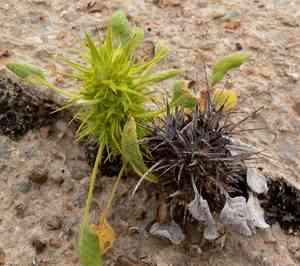
The most favorable period for relocating turkshead is from the comfortable warmth of late spring to mid-summer, which guarantees robust development. To achieve superior outcomes, choose a bright spot with soil that drains effectively. Careful manipulation is crucial to safeguard its fragile form.
What Preparations are Needed Before Transplanting Turkshead?
What is the Ideal Time for Transplanting Turkshead?
Move turkshead during the pleasant period of late spring or the gentle start of mid-summer to align with their growth cycle. This timing allows turkshead roots to establish well before autumn, benefiting from the warm soil and longer daylight hours. Optimal transplanting during this phase promotes strong growth, enabling turkshead to thrive and reach their full potential in your garden.
How Much Space Should You Leave Between Turkshead Plants?
When relocating your turkshead, aim for a comfortable distance between each specimen. A spacing of approximately 6-8 inches (15-20 cm) should be sufficient. This provides each plant ample room to develop without excessive competition from its neighbors. Envision them as small companions enjoying their individual space within your garden!
What is the Best Soil Mix for Turkshead Transplanting?
For your turkshead, consider preparing a comfortable bed with soil that drains effectively. Incorporate a light application of a balanced base fertilizer to welcome them to their new location. A mix that is airy and loose will promote healthy root development. Remember, a strong beginning sets the stage for excellent growth!
Where Should You Relocate Your Turkshead?
Your turkshead thrives in abundant sunlight! Select a bright location where it can receive at least 6 hours of direct light daily. Picture it as finding the perfect sunny spot for a relaxed feline. That warm, luminous position will keep your turkshead content and flourishing!
What Equipments Should You Prepare Before Transplantation Turkshead?
Gardening Gloves
To safeguard your hands while handling soil and plants.
Trowel
For excavating small turkshead plants or creating holes in the ground for relocation.
Shovel or Spade
For digging up larger turkshead plants from the ground and lifting the root mass.
Watering Can or Hose
To hydrate the turkshead plant both prior to and following transplantation.
Pruning Shears
To trim any damaged roots or foliage.
Wheelbarrow
For moving the turkshead plant and soil, if required.
Garden Fork
To loosen the soil around the turkshead plant's root area.
How Do You Remove Turkshead from the Soil?
How Do You Remove Turkshead from the Soil?
From Ground: First, water the turkshead plant to moisten the soil. Then, excavate a wide circle around the plant with a shovel or spade, ensuring the root ball remains intact. Gently work the spade beneath the root ball to lift the plant from its original spot without harming the roots.From Pot: Begin by watering the turkshead plant to lessen transplant shock. Tilt the pot sideways and gently tap to loosen the root ball. Carefully slide the plant out, preserving the root structure.From Seedling Tray: Dampen the soil of the seedling tray to facilitate removal. Using a trowel or your fingers, carefully lift the turkshead seedling, ensuring minimal disturbance to the roots.
Step-by-Step Guide for Transplanting Turkshead
Prepare the New Site
Dig a hole that is twice the width of the turkshead plant's root ball and the same depth as its previous location.
Root Pruning
Examine the root ball and use pruning shears to remove any damaged or excessively long roots.
Plant Positioning
Place the turkshead plant in the center of the hole, gently spreading its roots and ensuring it stands upright.
Refill the Hole
Backfill the hole with soil, gently pressing down around the base to eliminate air pockets.
Watering
Immediately after planting, provide the turkshead plant with a generous amount of water to help settle the soil and hydrate the roots.
Staking (if applicable)
If the turkshead plant is tall or in a windy area, insert a stake and loosely secure the plant to it for support.
Mulching
Apply a layer of mulch around the base of the turkshead plant to retain moisture and reduce weed competition.
How Do You Care For Turkshead After Transplanting?
Regular Watering
Water the turkshead plant consistently to maintain uniformly moist soil while it establishes.
Observing
Monitor the plant's leaves for indications of stress or wilting, which may suggest a need for more or less water.
Adjusting Stakes
Adjust stakes as needed as the turkshead plant grows. Avoid tying the plant too tightly.
Weed Control
Remove weeds around the plant to minimize competition for nutrients and water.
Troubleshooting Common Issues with Turkshead Transplantation.
When is the best time to transplant turkshead?
The ideal period is during late spring to mid-summer for successful establishment.
What spacing is ideal for turkshead when transplanting?
Allow turkshead ample room to thrive by spacing them 6-8 inches (15-20 cm) apart.
How deep should I plant turkshead during transplantation?
Position the root ball of turkshead so it is level with the surrounding soil surface.
Why are my transplanted turkshead wilting post-transplant?
Wilting can result from insufficient watering or root damage during transplantation; ensure careful handling and adequate moisture.
Can I transplant turkshead on a hot day?
Transplanting during the cooler parts of the day, such as early morning or late afternoon, can reduce stress on turkshead.
How much should I water turkshead after transplanting?
Water generously immediately after transplanting, then regularly to keep the soil moist but not waterlogged.
Should I fertilize turkshead when transplanting?
Wait a few weeks before fertilizing to prevent root burn; allow turkshead to acclimate first.
Why is turkshead not growing after being transplanted?
It may be transplant shock; maintain consistent care and allow time for recovery.
Can I transplant turkshead when it's blooming?
It is best to wait until blooming has concluded to avoid additional stress.
How should I prepare the soil for transplanting turkshead?
Use well-draining soil, ensuring it is loose and fertile before planting turkshead.



