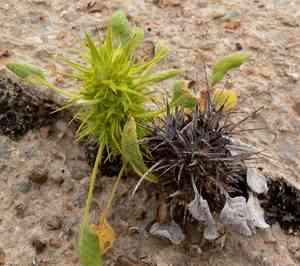
Turkshead (Chorizanthe rigida)
Also known as: Spiny chorizanthe
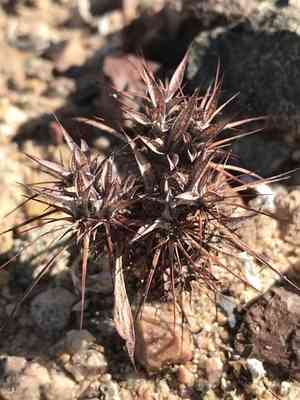
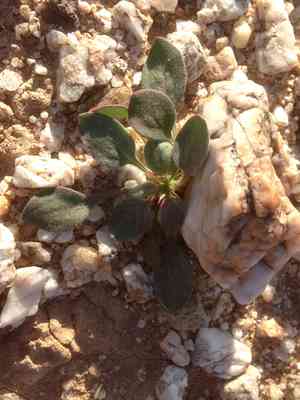
During the hot summer months, Turkshead (Chorizanthe rigida), an annual herb that blooms with yellow flowers in the spring, typically dries out and becomes a dark, skeletal remnant of its former self. This desert plant, found in the southwestern United States, remains green and vibrant during periods of sufficient rainfall, but the intense summer heat causes it to wither and die back.
In This Article
Attributes of Turkshead
Lifespan
Annual
Plant Type
Herb
Plant Height
6 cm to 15 cm
Spread
10 cm to 15 cm
Leaf Color
Green
Flower Size
2.5 mm
Flower Color
Yellow Green
Images of Turkshead
Quickly Identify Turkshead
1
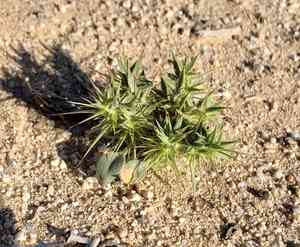
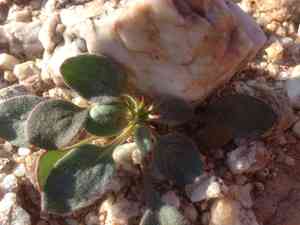
Identify Chorizanthe rigida by its distinctive spiny stems and small, inconspicuous flowers. It typically grows low to the ground and forms a sprawling mat. The leaves are small and often appear needle-like.
Scientific Classification of Turkshead
Phylum
Vascular plants
Class
Dicotyledons
Order
Caryophyllales
Family
Buckwheat
Genus
Spineflowers
Species
Turkshead
Planting and Growing of Turkshead
Care Difficulty
Easy
Watering Schedule
Every day
Sunlight Requirements
Full sun
Sunshine Duration
6-10 hours
Ideal Temperature
65-75℉
Soil Type
Potting Mix, Peat Mix
Soil pH
6.5-7.5
Fertilizer Type
Balanced
Pruning Season
Spring, Summer
Pruning Area
Branches, Leaves
Pruning Frequency
2 times a year
Repotting Season
Spring
Pot Type
Plastic, Ceramic
 How to Water Turkshead?
The watering amount for Chorizanthe rigida should be consistent yet moderate. It is crucial to provide just enough moisture to keep the soil slightly damp without soaking it. Typically, 100 milliliters per watering session suffices. The principle is to moisten the upper layer of the substrate while allowing deeper layers to remain relatively dry, simulating its natural arid environment.
What are the symptoms of an underwatered Turkshead?
›
What should I do if my Turkshead is not getting enough water?
›
What are the symptoms of an overwatered Turkshead?
›
How to save an overwatered Turkshead?
›
 What Are the Sunlight Requirements for Turkshead?
Chorizanthe rigida prefers full sun, ideally receiving 6 to 8 hours of direct sunlight. This optimal light exposure supports vigorous growth, blooming, and overall health resilience in desert-like conditions.
More About Sunlight Requirements Techniques→
What is the preferred lighting condition for Chorizanthe rigida?
›
How can I achieve the ideal sunlight for my Chorizanthe rigida?
›
What benefits does ideal sunlight provide for Chorizanthe rigida?
›
 What Is the Ideal Temperature Range for Turkshead?
Chorizanthe rigida thrives best between temperatures of 65 to 75°F. This range provides the plant with adequate warmth necessary for optimal metabolic activities and photosynthesis, promoting healthy growth and vibrant foliage.
 What Soil is Best for Turkshead?
Chorizanthe rigida thrives in well-drained soils, as they mimic the conditions of its natural arid habitat. Proper drainage prevents root rot, ensuring the plant's roots receive enough oxygen and nutrients. The plant prefers sandy or gravelly soil texture, which provides a supportive yet free-flowing medium. This texture allows roots to spread easily and secures the plant during windy conditions. Chorizanthe rigida is adapted to low nutrient environments; excessive organic matter can lead to poor growth. A soil mix with minimal organic content maintains the balance needed for optimal health.
 How to Fertilize Turkshead?
For Chorizanthe rigida, it is advised to use a balanced liquid fertilizer diluted to half-strength. Apply approximately 100 ml of the solution per plant for each session. This allows the plant to receive essential nutrients without the risk of overloading its root system.
 How to Prune Turkshead?
Begin by identifying the main stems and branches of the Chorizanthe rigida. Use sharp, clean pruning shears to cut back any dead, damaged, or crowded stems. Aim to keep an open center to allow sunlight and air circulation. Do not remove more than a third of the plant at once. Finish by clearing away the pruned material to prevent pest infestations.
More About Pruning Techniques→
 How to Propagate Turkshead plant?
1
Collect seeds from mature Chorizanthe rigida plants in late summer or autumn, ensuring they are dry and viable. This is crucial for successful germination in the following spring.
2
Sow the collected seeds in seed trays filled with potting mix. Lightly cover them with a thin layer of soil, ensuring they are not buried too deep to allow light penetration for germination.
3
Gently water the seeds after sowing, using a spray bottle to avoid dislodging them. Maintain consistent moisture levels, but avoid overwatering, which can lead to fungal issues.
 How to Repot Turkshead plant?
1
Repot Chorizanthe rigida when roots begin to outgrow the container, or when growth appears stunted. These are signs that the plant may be lacking nutrients or space, indicating a change of environment is needed.
2
Select a pot slightly larger than the current one with good drainage holes. A pot that is too large can hold excess moisture, leading to root rot. Terracotta pots work well as they naturally wick away moisture.
3
Opt for a well-draining, gritty cactus mix to prevent water retention. This blend mimics the plant's natural habitat, ensuring robust growth and minimizing the risk of root diseases.



