How to Transplant Diffuse spineflower?
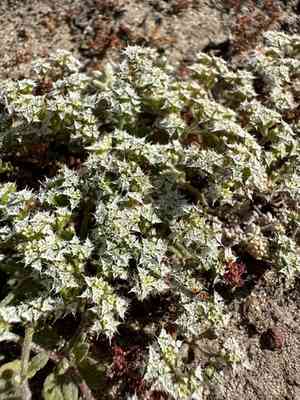
Diffuse spineflower flourishes when relocated during the revitalizing period of early spring, promoting vigorous development. Opt for bright, adequately drained sites to replicate its native environment. Should it be required, carefully move the plant to lessen root shock, encouraging smooth integration.
Necessary Preparations Before Relocating Diffuse Spineflower
Optimal Period for Transplanting Diffuse Spineflower?
Relocating diffuse spineflower during early spring is perfect due to moderate temperatures and increased soil hydration. These conditions promote root establishment and minimize transplant shock. Early spring ensures the plant benefits from the full growing season, boosting its growth and flowering potential.
Required Spacing Between Diffuse Spineflower Plants?
Ensure each diffuse spineflower is positioned approximately 12 inches (30 cm) apart to provide ample room for growth and flourishing. This spacing helps prevent overcrowding and facilitates good air circulation.
Best Soil Blend for Diffuse Spineflower Relocation?
Prepare a well-draining soil mixture with some compost or a balanced base fertilizer to give the diffuse spineflower a nutrient-rich start. Avoid dense clay soils that hold too much water.
Where to Replant Your Diffuse Spineflower?
Select a sunny location for the diffuse spineflower. It thrives best in full sunlight, meaning about 6-8 hours of direct sun exposure daily.
Equipment to Prepare Before Transplanting Diffuse Spineflower?
Gardening Gloves
To safeguard your hands while handling soil and plants.
Trowel
For excavating small holes and shifting soil.
Shovel or Spade
For digging larger holes and trenches around the plant.
Watering Can or Hose
For hydrating the plant before and after relocation.
Mulch
To help retain moisture and safeguard the plant post-transplant.
Plant Stakes and Ties
To offer support to the plant if necessary during its establishment phase.
How to Extract Diffuse Spineflower from the Soil?
How to Extract Diffuse Spineflower from the Soil?
From Ground: First, irrigate the diffuse spineflower plant to moisten the soil. Next, dig a wide trench around the plant using a shovel or spade, ensuring the plant's root ball remains intact. Carefully work the spade beneath the root ball to lift the plant from its original spot.From Pot: Water the diffuse spineflower plant thoroughly. Invert the pot on its side and gently compress the sides to loosen the soil. Hold the plant's base and carefully slide it out, keeping the root ball whole.From Seedling Tray: Water the tray prior to transplanting. Use a trowel or spoon to gently lift each diffuse spineflower seedling, ensuring the roots are not harmed in the process.
Step-by-Step Guide for Relocating Diffuse Spineflower
Site Preparation
Prepare the transplanting site by digging a hole that is twice as wide and the same depth as the root ball of the diffuse spineflower plant.
Remove Plant
Follow the instructions in the removal process section to carefully extract the diffuse spineflower plant from its initial location.
Planting Depth
Position the diffuse spineflower plant in the prepared hole at the same depth it was previously growing. Backfill the hole with soil, gently pressing down to eliminate any air pockets.
Watering
Water the diffuse spineflower plant thoroughly immediately after planting to help settle the soil and establish the roots.
Mulching
Apply a layer of mulch around the base of the diffuse spineflower plant to help retain moisture and regulate soil temperature.
Supporting
If needed, use plant stakes and ties to provide support to the diffuse spineflower plant as it establishes in its new location.
Post-Transplant Care for Diffuse Spineflower
Watering
Keep the soil around the diffuse spineflower consistently moist, but not waterlogged, for the initial weeks after transplanting to aid in developing strong roots.
Monitoring
Regularly inspect the diffuse spineflower plant for signs of stress, such as wilting or yellowing leaves, and address any issues promptly.
Weeding
Keep the area around the diffuse spineflower plant clear of weeds to reduce competition for nutrients and water.
Mulching
Replenish the mulch layer as needed to maintain moisture and temperature regulation around the diffuse spineflower plant.
Resolving Common Issues with Diffuse Spineflower Transplantation.
When is the best time to transplant diffuse spineflower?
Early spring is ideal for relocating diffuse spineflower to ensure robust growth and development.
How much spacing does diffuse spineflower need?
Diffuse spineflower should be spaced 12 inches (30 cm) apart to allow ample room for growth.
Why are my transplants wilting?
Wilting can occur due to transplant shock. Ensure proper watering and shading until established.
What type of soil is best for diffuse spineflower?
Diffuse spineflower thrives in well-draining soil. Amend with sand if your soil is heavy or clayey.
How should I prepare the planting site?
Prepare the site by removing weeds and debris, and loosening soil up to 6 inches (15 cm).
How should I handle the roots during transplanting?
Handle roots gently to avoid damage. Plant them at the same depth as they were previously growing.
How often should I water after transplanting diffuse spineflower?
Water thoroughly after transplanting and maintain consistent moisture, especially during the first few weeks.
Why are my diffuse spineflower transplants turning yellow?
Yellowing may indicate overwatering or nutrient deficiencies. Check soil moisture and consider a light fertilizer.
Should I mulch after transplanting diffuse spineflower?
Applying a light mulch helps retain moisture and suppress weeds, benefiting diffuse spineflower during establishment.
How can I protect newly transplanted diffuse spineflower from pests?
Use organic insecticidal soap or barriers to protect young diffuse spineflower plants from common pests.



