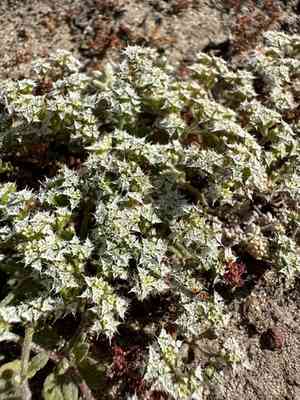
Diffuse spineflower (Chorizanthe diffusa)
Also known as: Diffuse Spineflower
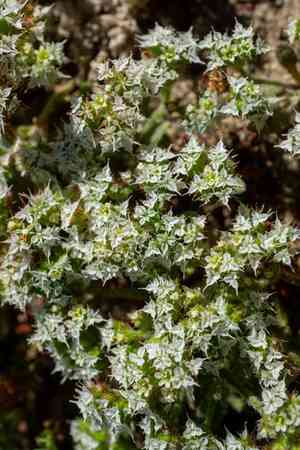
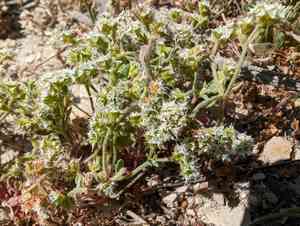
The diffuse spineflower, primarily found in certain California counties, can be identified by its clusters of white flowers with yellow centers. Although it varies in height, color, and leaf shape, the spiny bracts surrounding the flowers are a key identifying feature.
In This Article
Attributes of Diffuse spineflower
Lifespan
Annual
Plant Type
Herb
Plant Height
3 to 15 cm
Spread
It spreads up to 30 cm wide
Leaf Color
Green
Flower Size
The flowers are very small, less than 1 cm in diameter
Flower Color
White to pale pink
Images of Diffuse spineflower
Quickly Identify Diffuse spineflower
1
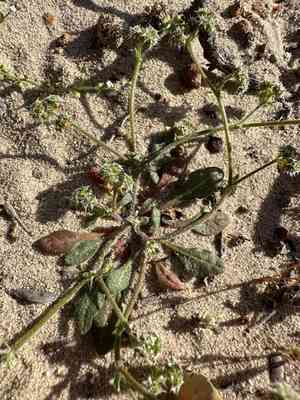
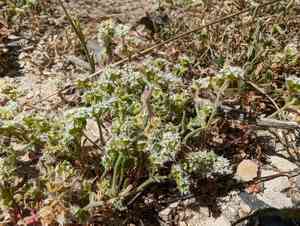
Chorizanthe diffusa can be identified by its small, white to pale pink flowers and its spine-tipped bracts. The plant typically forms low mats or clumps and has slender, thread-like stems.
Scientific Classification of Diffuse spineflower
Phylum
Vascular plants
Class
Dicotyledons
Order
Caryophyllales
Family
Buckwheat
Genus
Spineflowers
Species
Diffuse spineflower
Planting and Growing of Diffuse spineflower
Care Difficulty
Hard
Watering Schedule
Every 2 days
Sunlight Requirements
Full sun
Sunshine Duration
4-8 hours
Ideal Temperature
60-75℉
Soil Type
Potting Mix, Peat Mix
Soil pH
6.5-7.5
Fertilizer Type
Balanced
Pruning Season
Spring, Summer
Pruning Area
Branches, Leaves
Pruning Frequency
2 times a year
Repotting Season
Spring
Pot Type
Terracotta, Plastic
 How to Water Diffuse spineflower?
Chorizanthe diffusa thrives in well-draining soil and requires light watering. Each watering session should provide around 150 milliliters of water. It's essential that the soil is not waterlogged. Watering should ensure the top 2-3 inches of soil is dry before the next session.
What are the symptoms of an underwatered Diffuse spineflower?
›
What should I do if my Diffuse spineflower is not getting enough water?
›
What are the symptoms of an overwatered Diffuse spineflower?
›
How to save an overwatered Diffuse spineflower?
›
 What Are the Sunlight Requirements for Diffuse spineflower?
For optimal health, Chorizanthe diffusa thrives in full sun conditions, benefiting from an abundant energy supply for photosynthesis and overall growth.
How can I achieve ideal lighting conditions for Chorizanthe diffusa?
›
What are the solutions to obtain ideal lighting for this plant?
›
What benefits does the ideal light provide to Chorizanthe diffusa?
›
 What Is the Ideal Temperature Range for Diffuse spineflower?
The ideal temperature range for Chorizanthe diffusa is between 60°F and 75°F. This range helps ensure optimal growth and development, providing the right conditions for the plant's physiological processes. Maintaining temperatures within this range can lead to healthy foliage and a robust blooming season.
 What Soil is Best for Diffuse spineflower?
Chorizanthe diffusa benefits from well-drained soil, which prevents waterlogging and root rot. Good drainage ensures the plant gets the oxygen it needs, fostering healthier growth and vibrant blooms. This plant prefers low nutrient soils similar to its natural habitat. Avoid over-fertilizing; instead, let the native soil conditions guide the plant's growth, which enhances its adaptive characteristics. A gritty texture like sandy soil or loam is perfect for Chorizanthe diffusa, allowing the roots to easily expand and access water without being suffocated.
 How to Fertilize Diffuse spineflower?
Chorizanthe diffusa benefits from moderate fertilization. For liquid fertilizers, use a diluted solution of a balanced 10-10-10 fertilizer. Apply about 1/4 teaspoon per gallon of water every two weeks during the growing season.
 How to Prune Diffuse spineflower?
Look for brown or withered parts of the plant. Removing these helps prevent the spread of diseases and allows the plant to direct energy towards healthier growth. Carefully trim the plant to maintain its natural shape. Make your cuts just above a node or joint to encourage new growth and keep the plant looking tidy. After pruning, ensure the plant is watered adequately and receives enough sunlight. These conditions will help the plant recover quickly and thrive.
More About Pruning Techniques→
 How to Propagate Diffuse spineflower plant?
1
Fill the seed trays with a suitable potting mix, ensuring the mix is moist but not so wet that it clumps. Smooth the surface and make shallow depressions for the seeds, adhering to the recommended depth for Chorizanthe diffusa.
2
Evenly distribute the seeds over the prepared surface of the potting mix. Cover lightly with additional potting mix, pressing gently to ensure the seeds are in contact with the soil. Mist lightly with water to settle the soil.
3
Place the seed trays in a location with ample light, ideally under grow lights if indoors. Maintain a consistent temperature suitable for germination, around 15°C to 20°C. Keep the soil consistently moist but not waterlogged until germination occurs.
 How to Repot Diffuse spineflower plant?
1
Repotting Chorizanthe diffusa is essential when you notice roots circling the pot or growing out of the drainage holes, indicating that the plant has outgrown its current container. Additionally, if water is not absorbing well into the soil, it's likely time for a fresh start.
2
Selecting the right pot for Chorizanthe diffusa involves choosing one that is slightly larger than its current size, with excellent drainage. A pot with a drainage hole is vital to prevent water buildup, which can lead to root rot. The material can vary, but terracotta is a great choice for its breathability.
3
The ideal soil for repotting Chorizanthe diffusa is a sandy, well-draining mix. Such soil prevents waterlogging, mimicking its natural habitat and promoting healthy root development. A mix containing sand, small pebbles, or perlite can improve drainage.
Learn More About Diffuse spineflower Diseases
Anthracnose
Bacterial Leaf Spot
Bacterial Wilt
Crown Gall
Cyst Nematode
Damping-off
Downy Mildew
Drought Stress
Fusarium Wilt
Gray Mold
Leaf Spot
Mosaic
Nutrient Deficiency
Nutrient Toxicity
Powdery Mildew
Root Rot
Root-knot Nematode
Rusts
Sooty Mold
Spider Mites
Temperature Stress
Thrips Damage
White Mold



