How to Transplant Tumble windmill grass?
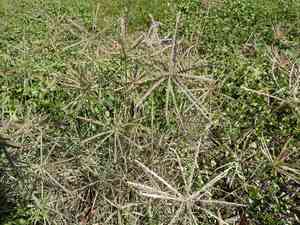
The perfect time to relocate tumble windmill grass is from the end of the frost season until the onset of consistent warmth, which encourages vigorous development. Select bright, open areas, allowing ample room for expansion. Careful management during the relocation process aids tumble windmill grass in successfully adapting to its new environment.
What Preparations are Needed Before Transplanting Tumble Windmill Grass?
What is the Ideal Time for Transplanting Tumble Windmill Grass?
Moving tumble windmill grass in late winter to mid-spring, once the ground is workable, ensures strong root development prior to summer's peak heat. Cultivate tumble windmill grass during this period to allow its roots to spread in cooler, damp soil, establishing a firm base for summer growth. This timing utilizes the natural growth cycle of perennials, promoting a robust start for tumble windmill grass in its new spot, maximizing its potential for upcoming seasons.
How Much Space Should You Leave Between Tumble Windmill Grass Plants?
For tumble windmill grass, you'll want to provide ample room for growth! Aim to space them 6-12 inches (15-30 cm) apart. This allows each plant sufficient space to develop fully and robustly!
What is the Best Soil Mix for Tumble Windmill Grass Transplanting?
Your tumble windmill grass will flourish in soil that drains well. Before planting, incorporate some compost or a slow-release fertilizer to give your plants a nourishing start. Healthy soil leads to a thriving tumble windmill grass!
Where Should You Relocate Your Tumble Windmill Grass?
Locate a sunny area for your tumble windmill grass, as they prefer to bask in full sunlight! This will ensure they receive the warm, bright conditions necessary for healthy, vibrant development.
What Equipments Should You Prepare Before Transplantation Tumble Windmill Grass?
Gardening Gloves
To safeguard your hands while handling soil and plants.
Shovel or Spade
For excavating the plant from the ground or its current container.
Garden Fork
To loosen the soil around the plant's root system if required.
Pruning Shears
For trimming any dead or damaged roots or foliage.
Wheelbarrow
To move the plant and soil to and from the new planting site.
Watering Can or Hose
To hydrate the plant before and after relocation.
Mulch
To apply around the plant's base post-transplant, helping retain moisture.
Measuring Tape
To determine the correct spacing between plants when moving them into the ground.
How Do You Remove Tumble Windmill Grass from the Soil?
How Do You Remove Tumble Windmill Grass from the Soil?
From Ground: First, water the tumble windmill grass plant to moisten the soil. Use a shovel or spade to dig a wide trench around the plant, taking care to keep the root ball intact. Gently slide the spade under the root ball to lift and extract the plant from the ground.From Pot: Before removal, water the container's soil to facilitate the roots' transfer. Turn the pot on its side, tap the bottom, and carefully pull out the tumble windmill grass. Support the plant by its base, not by its stems or leaves.From Seedling Tray: Water the seedlings gently before removal. Use a spoon or a dibber to lift each tumble windmill grass seedling out of the tray, handling it by the leaves rather than the delicate stem to prevent harm.
Step-by-Step Guide for Transplanting Tumble Windmill Grass
Prepare New Site
Before starting the transplant, ensure the soil at the new location has been loosened. Measure the appropriate distance from other plants for the tumble windmill grass's mature size.
Inspect and Prune Root Ball
Once the tumble windmill grass is removed, examine the root ball. Use pruning shears to cut away any damaged roots, encouraging healthy development.
Ensure Proper Planting Depth
Dig a hole at the new site that is as deep as the root ball and twice its width. Position the tumble windmill grass in the center of the hole, making sure it is not planted deeper than it was in its previous spot.
Backfill the Hole
Gently refill the hole with soil, lightly tamping around the tumble windmill grass to eliminate air pockets. Ensure the plant is upright and stable.
Water Thoroughly
Immediately after transplanting, water the tumble windmill grass generously to settle the soil and hydrate the roots. This also helps to remove any remaining air pockets around the root ball.
How Do You Care For Tumble Windmill Grass After Transplanting?
Immediate Watering
Within the first few hours after transplanting, provide the tumble windmill grass with ample water to lessen transplant shock.
Mulching
Apply a layer of mulch around the plant's base to retain moisture, regulate soil temperature, and reduce weed competition.
Regular Check-ups
Monitor the tumble windmill grass frequently for signs of stress, such as wilting or discoloration, and address any issues promptly.
Support Structures
If the tumble windmill grass shows signs of weakness or instability, temporarily stake the plant until it establishes sufficient strength to support itself.
Troubleshooting Common Issues with Tumble Windmill Grass Transplantation.
What's the optimal transplant time for tumble windmill grass?
The best period to transplant tumble windmill grass is during early to late spring, when temperatures are moderate.
What spacing should I use for tumble windmill grass in the garden?
Space tumble windmill grass 6-12 inches (15-30 cm) apart to provide each plant adequate room to grow.
How deep should the holes be for tumble windmill grass transplantation?
Dig holes deep enough to accommodate tumble windmill grass's root ball, not exceeding the roots' length.
Why are my transplanted tumble windmill grass wilting?
Wilting could be due to shock, insufficient water, or roots not being properly settled in the soil.
How should I water tumble windmill grass after transplanting?
Water tumble windmill grass generously after transplanting and maintain moist soil for several weeks afterward.
Is it necessary to amend the soil when transplanting tumble windmill grass?
Yes, it's beneficial to mix compost or well-rotted manure into the soil when transplanting tumble windmill grass.
Can I transplant tumble windmill grass on a hot, sunny day?
It's best to transplant tumble windmill grass on a cloudy day or in the evening to minimize transplant shock.
How do I choose the right spot for transplanting tumble windmill grass?
Select a location with abundant sunlight and well-draining soil for tumble windmill grass to flourish.
Should I prune tumble windmill grass before transplanting?
Pruning is not typically required before transplanting tumble windmill grass; focus instead on healthy root establishment.
Why is my tumble windmill grass not growing after transplant?
Stunted growth could be due to cramped planting, poor soil conditions, or inadequate watering post-transplant.



