How to Transplant Mexican windmill grass?
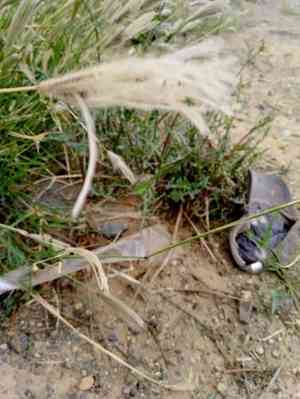
The optimal period for relocating mexican windmill grass is in the ideal window of mid-to-late spring, as conditions are conducive to root development. Choose a bright spot with soil that drains effectively, and enhance the transplanting procedure with periodic thorough watering to foster robust growth.
What Preparations are Needed Before Transplanting Mexican Windmill Grass?
What is the Ideal Time for Transplanting Mexican Windmill Grass?
The optimal period for relocating mexican windmill grass spans from mid to late spring, a time I refer to as 'the season of growth and fresh beginnings.' Moving mexican windmill grass during this window ensures it benefits from the warm ground and increasing daylight, providing an excellent head start for root development. A helpful hint: transplanting mexican windmill grass now results in a more robust and resilient plant, prepared to thrive in the coming months. So, mark your calendars and get ready for a springtime garden revitalization!
How Much Space Should You Leave Between Mexican Windmill Grass Plants?
When getting ready for mexican windmill grass, aim for an optimal distance when spacing them out. Position each small windmill approximately 6-12 inches (15-30 cm) apart, allowing them ample room to flourish without feeling overcrowded.
What is the Best Soil Mix for Mexican Windmill Grass Transplanting?
Prepare your soil for mexican windmill grass by incorporating well-draining material â consider a loamy or sandy composition. Before planting, blend in a mild, slow-release fertilizer to give your mexican windmill grass a nourishing head start!
Where Should You Relocate Your Mexican Windmill Grass?
Select a sunny location for your mexican windmill grass that receives at least 6 hours of direct sunlight daily. Being sun-loving and vibrant, mexican windmill grass performs best when absorbing these rays, making an open, bright spot ideal.
What Equipments Should You Prepare Before Transplantation Mexican Windmill Grass?
Gardening Gloves
To safeguard your hands while handling soil and plants.
Shovel or Spade
For excavating the plant from its current location or container and preparing the new planting site.
Hand Trowel
To manage smaller or more delicate tasks when extracting the root ball.
Pruning Shears
To remove any dead or damaged roots or foliage.
Watering Can or Hose
For hydrating the plant prior to removal and after relocation.
Wheelbarrow or Garden Cart
To move the plant from one spot to another, if necessary.
Ruler or Measuring Tape
To determine the appropriate depth and width for the new planting hole.
Organic Mulch
To assist in retaining soil moisture and regulating soil temperature after transplant.
How Do You Remove Mexican Windmill Grass from the Soil?
How Do You Remove Mexican Windmill Grass from the Soil?
From Ground: First, hydrate the mexican windmill grass plant to moisten the soil. This will facilitate easier removal without harming the roots. Then, using a shovel or spade, carefully dig a wide circle around the plant to avoid cutting into the root ball. Gently loosen the soil until you can lift the entire root ball from the ground.From Pot: Water the mexican windmill grass thoroughly before attempting to extract it from the pot. Carefully tilt the pot sideways and tap the base to help dislodge the plant. Slide the root ball out; if it resists, gently run a hand trowel along the inner edge of the pot.From Seedling Tray: Water the tray well, then carefully separate each mexican windmill grass seedling by gently lifting it from the stem's base or using a small tool. Ensure you retain as much of the root and surrounding soil as possible.
Step-by-Step Guide for Transplanting Mexican Windmill Grass
Prep the New Location
Excavate a hole in the ground that is twice as wide and the same depth as the root ball of the mexican windmill grass.
Root Inspection
Examine the roots of the mexican windmill grass, and with pruning shears, trim away any broken or excessively long roots.
Placement
Position the mexican windmill grass in the center of the new hole, ensuring it stands upright and at the same level it was previously growing.
Backfilling
Carefully refill the hole with the excavated soil, pressing down gently to eliminate air pockets without overly compacting the soil.
Watering
Water the mexican windmill grass deeply after transplanting, ensuring the entire root zone is moistened.
Mulching
Spread an even layer of organic mulch around the base of the mexican windmill grass, keeping it away from the stem to prevent rot.
How Do You Care For Mexican Windmill Grass After Transplanting?
Monitoring
Observe your mexican windmill grass for indications of transplant shock, which may include wilting, leaf drop, or discoloration.
Watering
Maintain consistent moisture for several weeks post-transplant, watering deeply when the top inch of soil feels dry to the touch.
Mulch Check
Periodically inspect the mulch to ensure it remains in place and isn't excessively thick, as too much mulch can suffocate roots.
Pruning
Only prune the dead or diseased parts of the mexican windmill grass to help it direct energy towards establishing new roots. Avoid extensive pruning as the plant requires its leaves for photosynthesis and recovery from transplant.
Support
If the mexican windmill grass is tall or situated in a windy area, you might need to stake the plant for additional support until it becomes established.
Troubleshooting Common Issues with Mexican Windmill Grass Transplantation.
When's the best time to transplant mexican windmill grass?
The ideal period is during late spring, fostering healthy root establishment before high summer temperatures.
How far apart should I space mexican windmill grass when transplanting?
Aim for a spacing of 6-12 inches (15-30 cm) to provide each plant with adequate room to thrive.
Why is my transplanted mexican windmill grass wilting?
Wilting after transplanting is common; ensure sufficient water and protection from intense sunlight while mexican windmill grass acclimates.
What soil conditions does mexican windmill grass need when transplanted?
Well-draining soil with moderate fertility is optimal. Avoid heavy clay or waterlogged areas for best outcomes.
How much should I water mexican windmill grass after transplanting?
Water thoroughly upon transplanting and keep the soil moist, but not saturated, for the initial few weeks.
Can I transplant mexican windmill grass during summer?
It's preferable to wait for cooler weather. Transplant during mid to late spring for optimal establishment.
How deep should the hole be for transplanting mexican windmill grass?
Dig a hole twice the size of the root ball but only as deep to prevent burying the crown.
Should I fertilize mexican windmill grass after transplanting?
Fertilizing is not immediately necessary. Wait until mexican windmill grass exhibits new growth before applying a balanced fertilizer.
How do I protect mexican windmill grass from transplant shock?
Minimize root disturbance, water sufficiently, and provide partial shade for the first week or two post-transplant.
What to do if mexican windmill grass doesn't grow after transplanting?
Patience is crucial. As long as the plant is watered correctly and not in direct, hot sun, it should recover.



